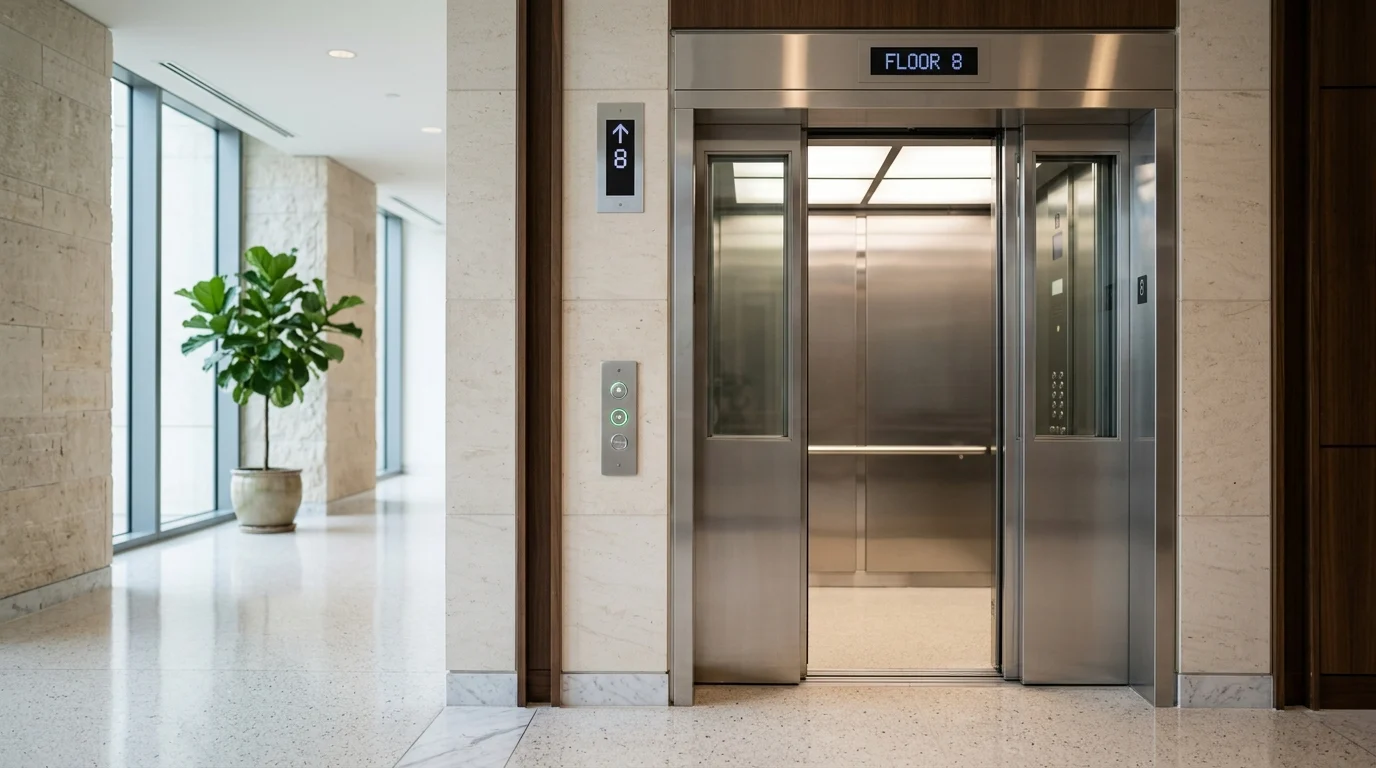
Strategic Positioning for Capsule Passenger Elevators
The integration of architectural aesthetics and vertical transportation has driven the evolution of the capsule passenger elevator. Unlike conventional enclosed shafts that hide the transit process, these specialized lifts serve as kinetic, transparent sculptures within commercial complexes, luxury hotels, and high-end residential towers.
By transforming a routine transit experience into a highly visible visual amenity, these elevators enhance spatial dynamics and visitor engagement. In retail environments, their strategic placement organically guides foot traffic to upper levels, directly supporting commercial viability and tenant satisfaction.
How to Introduce the Topic Clearly
To understand the core concept, a capsule passenger elevator is engineered with a distinctive, often aerodynamic or pod-like enclosure. It utilizes extensive glass or acrylic paneling to provide passengers with expansive external views. These systems are typically deployed on exterior building facades or within grand interior atriums to act as architectural focal points.
The structural design minimizes the footprint of a traditional elevator car assembly. By eliminating bulky, opaque shaft walls, this approach can reduce the required structural hoistway space—often cited as a 10% to 15% reduction in illustrative industry benchmarks—while maximizing ambient natural light. Furthermore, the transparent nature of the lift helps reduce passenger claustrophobia by creating the perception of a larger, open space during vertical transit.
Capsule Elevators vs. Panoramic Elevators
While industry professionals frequently use the terms interchangeably, distinct engineering and functional differences exist between capsule and standard panoramic elevators. A standard panoramic lift typically utilizes a conventional square or rectangular cabin framework equipped with one or two flat tempered glass observation panels on the rear or sides.
In contrast, a true capsule lift features a highly customized, fully curved geometric profile—such as cylindrical, semi-circular, or diamond shapes—offering uninterrupted viewing angles ranging from 180 to 270 degrees. This design requires specialized curved glass manufacturing techniques and bespoke structural brackets to maintain aerodynamic stability. The complexity of fabricating these curved enclosures demands stringent quality control, as the structural integrity and load-bearing characteristics of bent glass differ significantly from standard flat architectural glass.
Key Design Specifications and Material Choices
Specifying a capsule passenger elevator requires a rigorous assessment of structural materials and electromechanical systems. The delicate balance between maximizing optical transparency and ensuring uncompromised structural integrity dictates the engineering parameters of both the cabin and the supporting hoistway infrastructure. Professionals must carefully evaluate these specifications to guarantee long-term durability, especially when the lift is exposed to external environmental factors such as thermal fluctuations, UV exposure, and increased maintenance demands for exterior systems.
Cabin Structure and Finish Options
The primary framework of the cabin heavily relies on high-grade structural steel for foundational brackets, chassis, and load-bearing towers, ensuring absolute rigidity under dynamic loads. Exposed metal components, such as automatic door frames, ergonomic handrails, and floor trims, are typically fabricated from premium 304 or 316 stainless steel or anodized aluminum to resist corrosion, oxidation, and daily wear.
The observation panels utilize multi-layer laminated, curved tempered glass designed to withstand severe wind loads and blunt impact without shattering. Manufacturers can customize the interior decoration of the elevator according to specific project requirements. Options extend to premium cabin flooring and ceiling finishes, incorporating luxury materials such as engineered hardwood, natural stone, or marble, alongside integrated ambient LED lighting systems to seamlessly match the host building’s architectural theme.
Performance Factors That Affect Ride Quality
Ride quality in a capsule elevator is tightly governed by advanced drive technology, aerodynamic profiling, and acoustic dampening measures. Modern systems utilize sophisticated Variable Voltage Variable Frequency (VVVF) inverters, which precisely optimize motor speed. This results in exceptionally smooth acceleration and deceleration while targeting energy consumption reductions of up to 35% compared to legacy traction drives.
Because these lifts often operate on exterior building facades, aerodynamic design is critical to minimizing wind resistance and lateral turbulence. High-speed operation, typically engineered for vertical travel ranging from 1.0 m/s to 2.5 m/s, is meticulously calibrated to maintain low noise and vibration thresholds. Industry standards often aim to keep internal cabin noise below 55 decibels (dB) to guarantee optimum passenger comfort.
| Component | Primary Material | Engineering Benefit |
|---|---|---|
| Structural Frame | High-Tensile Steel | Supports dynamic load capacities ranging from 450 kg to 1600 kg |
| Observation Panels | Laminated Tempered Glass | Provides 180°+ visibility while maintaining high impact resistance |
| Finishes & Trims | 304/316 Stainless Steel | Ensures maximum corrosion resistance in exterior facade applications |
Buyer Evaluation: Safety, Compliance, and Installation
Procuring a capsule passenger elevator demands rigorous due diligence regarding regulatory compliance, supply chain logistics, and long-term lifecycle management. Facility managers, architects, and real estate developers must evaluate potential suppliers based on strict adherence to global safety protocols, manufacturing capabilities, and the capacity for executing seamless, code-compliant installations. Analyzing the Total Cost of Ownership (TCO) is also essential at this stage.
Safety Standards and Compliance Requirements
Safety remains the paramount concern in vertical transportation design, particularly for lifts featuring extensive glass enclosures. Capsule elevators must strictly comply with rigorous international safety frameworks, such as the EN 81-20/50 standards in Europe or the ASME A17.1 safety codes in North America.
Critical safety specifications mandate the integration of automated emergency braking systems, precise overspeed governors, and heavy-duty progressive safety gear that engages instantly in the event of cable tension loss. Because exterior-mounted capsule elevators are perpetually exposed to environmental elements, the electrical and communication components—such as the digital control panels, socket boxes, and microprocessors—must carry an appropriate Ingress Protection (IP) rating, typically IP54 or higher, to prevent moisture, condensation, and dust ingress from compromising the system.
Sourcing, Installation, and Final Decision Steps
Strategic sourcing from established manufacturers ensures access to factory-direct pricing, custom engineering support, and comprehensive quality oversight from fabrication to delivery. Buyers should anticipate standard production lead times of 30 to 45 days, depending heavily on the complexity of the bespoke cabin geometry and the procurement of specialized interior finishes.
Post time: Jun-25-2026