
Determining if I need a lift for my home starts with considering my family’s needs. I think about convenience, especially for elderly family members or those with mobility challenges. Understanding my home’s structure is crucial; I must assess space for installation of the elevator and ensure it meets safety standards. Budgeting plays a vital role too, as I need to account for installation costs, customization, and potential structural modifications.
Key Takeaways
- Assess your family’s needs before installing an elevator. Consider who will use it and how often to ensure it meets accessibility requirements.
- Evaluate your home’s structure and available space. Ensure you have at least 20 to 25 square feet for installation and consider any necessary structural modifications.
- Budget for both installation and ongoing maintenance costs. Research different elevator types and financing options to find a solution that fits your financial situation.
Assessing the Need for an Elevator

When I consider installing an elevator in my home, I start by evaluating my family’s specific needs. I ask myself several key questions:
- Who will use the elevator? If I have elderly family members or individuals with mobility challenges, an elevator can significantly enhance their independence and safety.
- What are the accessibility requirements? Elevators provide a practical solution for navigating multi-level homes without the strain of stairs. They promote inclusivity for everyone, regardless of their physical abilities.
- How often will the elevator be used? If I anticipate frequent use, investing in a reliable lift becomes even more critical.
I also think about the safety features of the elevator. Advanced safety mechanisms, such as emergency lowering systems and door interlocks, are essential. These features ensure that my family can use the elevator without worry. Additionally, I consider the load capacity. I want to ensure that the lift can handle the weight of individuals and any heavy items I may need to transport.
Technical specifications also play a role in my decision. I look at the drive system, travel speed, and the number of stops the elevator will have. These factors can affect both the performance and the overall experience of using the lift.
Size and design are equally important. I need to choose a model that fits seamlessly into my home’s interior. A well-designed elevator can enhance the aesthetic appeal of my space while providing functionality.
Price is another crucial consideration. I compare different models to find one that fits my budget while still meeting my needs. I also pay attention to the warranty offered by reputable dealers. A good warranty can provide peace of mind and protect my investment.
As I assess the need for an elevator, I recognize that this decision is not just about immediate accessibility. It serves as a long-term solution that allows my family to adapt our living space as our mobility needs evolve over time. This adaptability is vital for aging in place, enabling us to remain in our home comfortably and safely.
The demand for home elevators is on the rise, especially among aging populations. Statistics show that the number of Americans aged 65 and older is projected to increase significantly in the coming years. This demographic shift highlights the importance of accessibility features in homes. Installing a home elevator can enhance property value, making it a strategic investment for the future.
Evaluating Home Structure and Space for Your Elevator
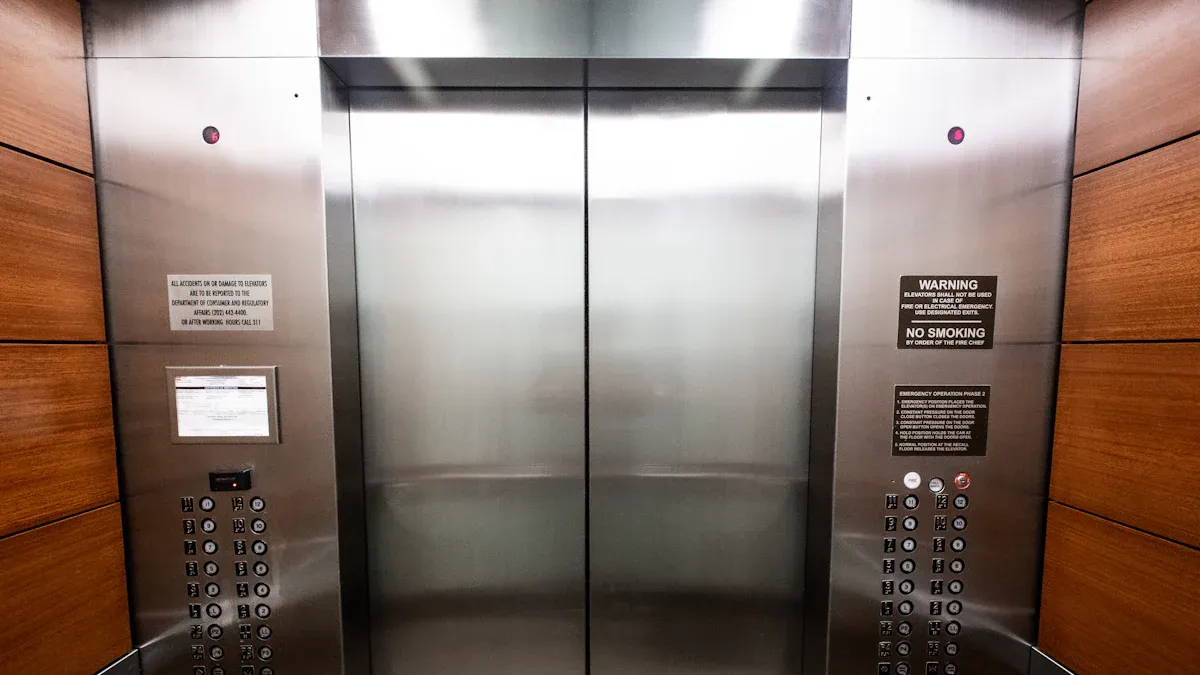
When I consider installing an elevator, I must evaluate my home’s structure and available space carefully. This step is crucial to ensure a smooth installation process and optimal functionality. Here are some key factors I focus on:
- Minimum Space Requirements: I need to ensure that I have enough space for the elevator installation. Typically, a residential elevator requires at least 20 to 25 square feet. The following table outlines the minimum dimensions I should keep in mind:
| Requirement | Dimension |
|---|---|
| Minimum space for installation | 20 to 25 square feet |
| Pit space (if applicable) | About 8 inches deep |
| Standard elevator cab dimensions | 3 feet wide x 4 feet deep |
| Minimum hoistway dimensions | 4 feet wide x 5 feet deep |
| Smallest elevator dimensions | 3 feet x 3 feet |
- Vertical Continuity: I also consider how the elevator will connect different floors. The flow of movement between levels is essential for seamless access. Sufficient vertical space is necessary for the elevator’s travel distance. Standard elevators require a minimum ceiling height for both the cabin and overhead clearance.
- Structural Modifications: Installing an elevator often requires some structural changes. I may need to prepare architectural and engineering plans for permits. This includes details about the foundation design and hoistway construction. Here are some common modifications I might encounter:
- Site Preparation: This involves clearing the area, excavating for the elevator pit, and pouring concrete for the foundation.
- Hoistway Construction: The vertical enclosure must be durable, using materials like concrete masonry, steel frame, or wood frame.
- Creating Access Points: I may need to cut openings into the wall for elevator landings, which must be framed and weatherproofed.
- Challenges to Consider: I recognize that different types of elevators require varying amounts of space. For instance, hydraulic elevators typically need a machine room, which increases space requirements. Additionally, older homes may require significant structural modifications to accommodate modern elevator systems.
Understanding Costs and Budgeting for Your Lift
When I start budgeting for my home elevator, I consider several factors that influence the overall cost. First, I look at the type of elevator I want to install. The price range varies significantly based on the model. For example:
| Elevator Type | Price Range |
|---|---|
| Pneumatic Vacuum Elevators | $25,000 – $50,000 |
| Hydraulic Elevators | $35,000 – $75,000 |
| Traction Elevators | $45,000 – $90,000 |
| Custom Luxury Elevators | $75,000 – $150,000+ |
Next, I evaluate the specific requirements of my home. Factors such as home configuration, structural needs, and customization options can add to the cost. I also need to account for building codes and permit requirements, which can vary by location.
I find that ongoing maintenance costs are another essential aspect of my budget. Annual operating expenses can range from $1,400 to $4,100. I should also plan for professional maintenance contracts, which typically cost between $1,200 and $3,000 each year. Additionally, energy consumption can add $200 to $600 to my yearly expenses.
Financing options are available to help manage these costs. Home equity loans are common for funding residential elevators. Some manufacturers even offer specialized financing programs. If the installation is medically necessary, I might qualify for insurance coverage or tax deductions.
By carefully considering these factors, I can create a realistic budget that accommodates both the initial installation and ongoing expenses associated with my lift.
Exploring Different Elevator Types and Features
When I explore elevator options for my home, I discover several types, each with unique features and benefits. Here are the main types I consider:
- Hydraulic Elevators: These elevators operate by pumping hydraulic fluid to lift the elevator. They are known for moving heavy loads and providing smooth rides. However, they require more space and maintenance.
- Traction Elevators: These use cables and a motor to move the elevator. They accommodate wheelchairs and have a capacity of 1,000 pounds. They are energy-efficient and customizable, but they need a pit and an elevator shaft, which can take up living space.
- Pneumatic Elevators: Utilizing air pressure, these elevators offer a unique design. They are energy-efficient, space-saving, and quieter, making them suitable for modern architecture.
- Machine Room-Less Traction Elevators: Similar to traction elevators, these do not require a separate machine room, saving space.
I also pay attention to safety features. Modern residential elevators typically include:
- Gates that prevent movement when open.
- Interlocks that keep doors locked during operation.
- Backup power systems that ensure safe return during outages.
Customization options are abundant. I can choose styles, materials, and design elements that fit my home’s aesthetic. For example, I can select from various finishes and unique features like custom doors and gates.
By understanding these types and features, I can make an informed decision that best suits my family’s needs.
Selecting a Reputable Elevator Installation Company
Choosing the right elevator installation company is crucial for ensuring a safe and efficient lift system in my home. I focus on several key criteria to evaluate potential companies:
| Criteria | Description |
|---|---|
| Load Capacity | I assess the heaviest items I plan to transport to ensure the elevator can handle the weight safely. |
| Space and Dimensions | I measure the elevator shaft and machinery space to confirm a proper fit within my home layout. |
| Safety and Compliance | I ensure the elevator meets all safety standards and regulations, including regular maintenance. |
| Professional Installation | I hire certified professionals for installation to guarantee safety and compliance with standards. |
| Customization | I tailor the elevator’s size and features to meet my specific needs. |
| Safety Features | I look for safety sensors and emergency mechanisms to protect my family and assets. |
| Inspection and Testing | I conduct thorough testing and regular inspections post-installation to maintain optimal performance. |
I also pay attention to warranty and service agreements. Warranties often vary based on negotiations by architects and engineers, leading to differences in terms and coverage. Service agreements focus on maintenance rather than the purchase of equipment. Some agreements are necessary to maintain warranty validity, highlighting their importance.
- Full-Service agreements cover maintenance and repairs, typically at a higher monthly cost.
- Maintenance agreements include regular upkeep and documentation, essential for safety and compliance.
- Oil and Grease agreements offer minimal maintenance, with additional costs for repairs.
By carefully evaluating these factors, I can select a reputable installation company that meets my needs and ensures the safety and reliability of my home elevator.
Addressing Common FAQs about Elevators
As I explore the world of home elevators, I often encounter several common questions. Here are some that I find particularly relevant:
- Are home elevator systems suitable for all types of residences?
- What is the typical cost associated with installing a residential elevator system?
- Are home elevator systems safe to use?
- Can home elevator systems be customized to match my home’s interior design?
- Do home elevator systems require a lot of maintenance?
- Can home elevator systems be installed in existing homes?
- Are home elevator systems energy-efficient?
I also consider why adding a residential elevator to my home is beneficial. Here are some reasons that stand out:
- A residential elevator can significantly enhance accessibility for aging in place or mobility issues.
- Installing a residential elevator often increases my home’s value.
- The convenience and luxury benefits of having a home elevator are undeniable.
- The installation process is straightforward, making residential elevators a good choice for many homeowners.
Safety and reliability are top priorities for me. To address these concerns, I follow these steps:
- I hire licensed and experienced technicians for installation, repairs, and inspections.
- I educate all family members on safe elevator usage.
- I install access controls to limit unauthorized use.
- I equip the elevator with emergency tools like intercoms and alarms.
- I monitor and adhere to the elevator’s weight limits.
Additionally, I schedule regular maintenance with a qualified technician. I address any unusual noises or irregular movements immediately. Keeping the elevator cabin and surrounding areas free of clutter is essential for safety.
By understanding these FAQs and implementing safety measures, I can confidently enjoy the benefits of my home elevator.
Choosing the right elevator for my home involves several key considerations. I must evaluate my home layout, types of lifts, costs, and customization options. Here’s a quick summary of what I need to keep in mind:
| Key Consideration | Description |
|---|---|
| Home Layout | The size and layout of the home are crucial as some lifts require more space and specific rooms like a machine room. |
| Types of Lifts | Different types of home lifts offer various benefits; choose based on space, needs, and budget. |
| Costs and Installation | Installation time and costs can vary, but a suitable lift enhances comfort, safety, and home value. |
| Customization and Safety | Options for customization and safety features are available, making it easier to find the right lift. |
I encourage you to take the next steps in your elevator selection process. Assess your needs, explore options, and consult with professionals to make an informed decision.
Post time: Mar-20-2026