Introduction
Elevators are engineered for safety, but that safety depends as much on rider behavior as on cables, sensors, and routine maintenance. Small actions that seem harmless, such as blocking doors, forcing them open, overloading the cab, or jumping inside, can damage equipment, trigger shutdowns, and put passengers at risk. This article explains the most common prohibited behaviors in elevators, why they matter mechanically and legally, and how avoiding them helps prevent delays, costly repairs, and accidents. With that context, the rest of the guide breaks down the specific rules everyone should know before stepping into an elevator.
Why Elevator Safety Rules Are in the Spotlight
Elevators move over 1 billion people every single day worldwide, making them one of the safest forms of transportation on the planet. Yet, a recent surge in maintenance calls and viral videos has put elevator safety rules back in the spotlight. When riders ignore basic etiquette or intentionally break the rules, a simple 30-second ride can quickly turn into an expensive hazard. The conversation across the property management industry is shifting from basic mechanical maintenance to how human behavior directly impacts elevator reliability and lifespan.
Recent incidents and public attention
Thanks to social media and ubiquitous security cameras, extreme misbehavior inside elevator cabs rarely goes unnoticed. Public attention has spiked following several high-profile incidents where passengers forcibly pried doors open, jumped aggressively to trigger safety brakes, or even used the cabin as a restroom. These actions are not just gross or annoying habits; they are direct threats to the mechanical integrity of the system. In 2023, industry reports indicated a 15% to 20% increase in out-of-service complaints directly linked to passenger vandalism and misuse, rather than standard mechanical wear and tear. This spike has prompted building owners and safety regulators to publicly address what happens behind closed elevator doors, pushing for stricter enforcement and better public awareness campaigns.
What prohibited behavior means
Prohibited behavior encompasses any action that compromises the baseline safety or civil environment of the ride. It goes far beyond simply ignoring the posted weight capacity limit. It includes physical tampering with control panels, blocking sensor beams for extended periods, transporting unauthorized hazardous materials, or engaging in extreme indecency. Safety is the absolute baseline, and civil behavior is the rule. When riders cross these lines, they violate public order and basic morality. In many jurisdictions, extreme acts of vandalism or public nuisance—such as urinating in the cab—can trigger public security laws, resulting in hefty fines, police involvement, and strict civil liability for the resulting property damage.
Prohibited Elevator Behaviors and Their Risks
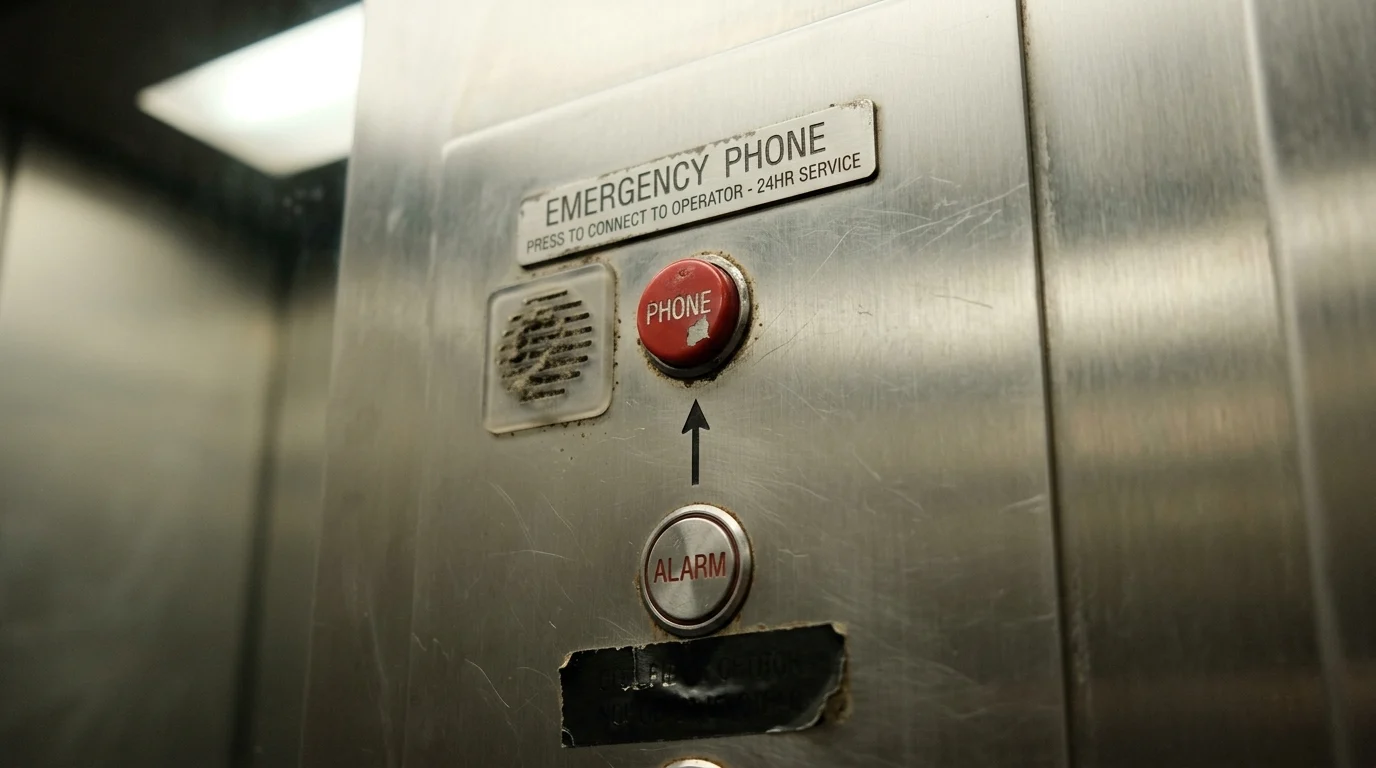
Understanding exactly what constitutes misuse can help prevent unnecessary breakdowns and keep everyone safe. The risks associated with these prohibited elevator behaviors range from a temporary inconvenience for other tenants to severe mechanical failures that trap passengers. Fixing these human-caused errors is not cheap; replacing a single damaged elevator door mechanism can easily cost between $2,500 and $5,000, not to mention the operational downtime that frustrates an entire building.
Common forms of misuse
Some of the most frequent forms of misuse seem completely harmless to the average rider but actually wreak havoc on elevator systems. People often use their hands, feet, or umbrellas to forcefully hold doors open for a latecomer. While seemingly polite, this forces the motor to work against its programmed cycle and damages sensitive optical sensors. Another common issue is overloading the cab during peak hours or moving large, heavy furniture without reserving the service elevator and installing protective pads. Even leaning heavily against the doors while the car is in motion can disrupt the delicate alignment required for safe operation. Other extreme behaviors include jumping up and down during transit, which can easily engage the elevator’s overspeed governor and trap passengers, or spilling liquids and urinating, which severely damages the critical electronic components located just beneath the floor panels.
Safety, legal, and operational consequences
The fallout from these actions hits hard on multiple fronts: safety, legal standing, and daily operations. Safety-wise, forcing doors or jumping can cause the elevator to stall between floors, requiring emergency extraction by the fire department. Legally, perpetrators can face serious consequences. As noted, extreme misbehavior is not just a breach of manners; it can lead to massive civil compensation claims to replace ruined electronics. Operationally, property managers face substantial repair bills and angry tenants who have to wait longer for a lift.
| Prohibited Behavior | Primary System Risk | Estimated Repair Cost Range |
|---|---|---|
| Forcing doors open | Motor burnout, optical sensor failure | $1,500 – $3,500 |
| Jumping/shaking cab | Triggering emergency safety brakes | $500 – $1,200 (reset fee) |
| Liquid spills/urination | Electrical short circuits in pit | $2,000 – $10,000+ |
| Overloading weight | Cable strain, floor leveling issues | Variable (accelerated wear) |
How Property Managers, Employers, and Riders Should Respond
Keeping elevators running smoothly is a shared responsibility. While certified technicians handle the mechanical upkeep, property managers, employers, and daily riders must work together to enforce and follow safety rules. Taking a hands-off approach is no longer viable for building operators. In fact, implementing a proactive monitoring and education strategy can reduce passenger-induced elevator faults by up to 40% within the first six months of deployment, saving thousands of dollars in emergency call-out fees.
Prevention and enforcement steps
Property managers and employers need to take a proactive stance against elevator misuse. Installing high-definition, tamper-proof security cameras acts as a highly effective deterrent against vandalism and indecent behavior. Building management should clearly post the rules and maximum weight capacities—typically ranging from 2,000 to 3,500 pounds for standard commercial passenger elevators—inside every cab. When incidents do occur, management must act swiftly to identify the culprits and pursue civil compensation to cover the repair costs, ensuring that the financial burden falls on the responsible party. Employers can also assist by educating their staff on proper building etiquette during the onboarding process, making it clear that treating shared facilities with respect is a non-negotiable standard of behavior.
Safe rider practices
For the everyday rider, elevator safety boils down to common sense and basic courtesy. By respecting weight limits, keeping doorways clear, and treating the cabin with care, passengers ensure a safe and reliable ride for everyone in the building.
Key Takeaways
- The most important conclusions and rationale for elevator
- Specs, compliance, and risk checks worth validating before you commit
- Practical next steps and caveats readers can apply immediately
Frequently Asked Questions
What should I do if the elevator doors start closing before everyone gets in?
Press the door-open button once if available. Don’t block or pry the doors with your hands, feet, or objects, because that can damage sensors and delay service.
Can jumping or roughhousing in an elevator really cause a shutdown?
Yes. Sudden shaking can trigger safety systems and stop the car, which may trap passengers and require a technician or emergency response to reset it.
Is it okay to move furniture in a regular passenger elevator?
Only if building rules allow it and the load fits capacity. For large items, reserve the service elevator and use protective pads to avoid damage and overloads.
What happens if someone spills liquid or urinates in an elevator?
Report it to building management immediately. Liquids can seep under floor panels, short electrical components, and put the elevator out of service until cleaned and repaired.
Can I hold the elevator for a friend by keeping the sensor blocked?
No. Repeatedly blocking the sensor beam or forcing doors to stay open strains the door system. Let the doors close and call another elevator if needed.
Post time: Jun-11-2026