
Imagine stepping into your ideal elevator. It’s not just a lift; it’s a blend of style, convenience, and accessibility. Choosing the right elevator is crucial. Nearly 90% of homeowners see accessibility features as vital in their home design. Plus, a well-installed lift can boost your property value significantly. Your personal preferences play a big role in this decision. Think about what matters most to you!
Key Takeaways
- Consider accessibility features when choosing a home elevator. They enhance convenience and can increase your property’s value.
- Understand the different types of elevators available. Each type, like hydraulic or pneumatic, has unique benefits that suit various needs.
- Budget wisely for your elevator. Installation costs can range from $20,000 to $60,000, so plan according to your financial situation.
Understanding Home Elevators
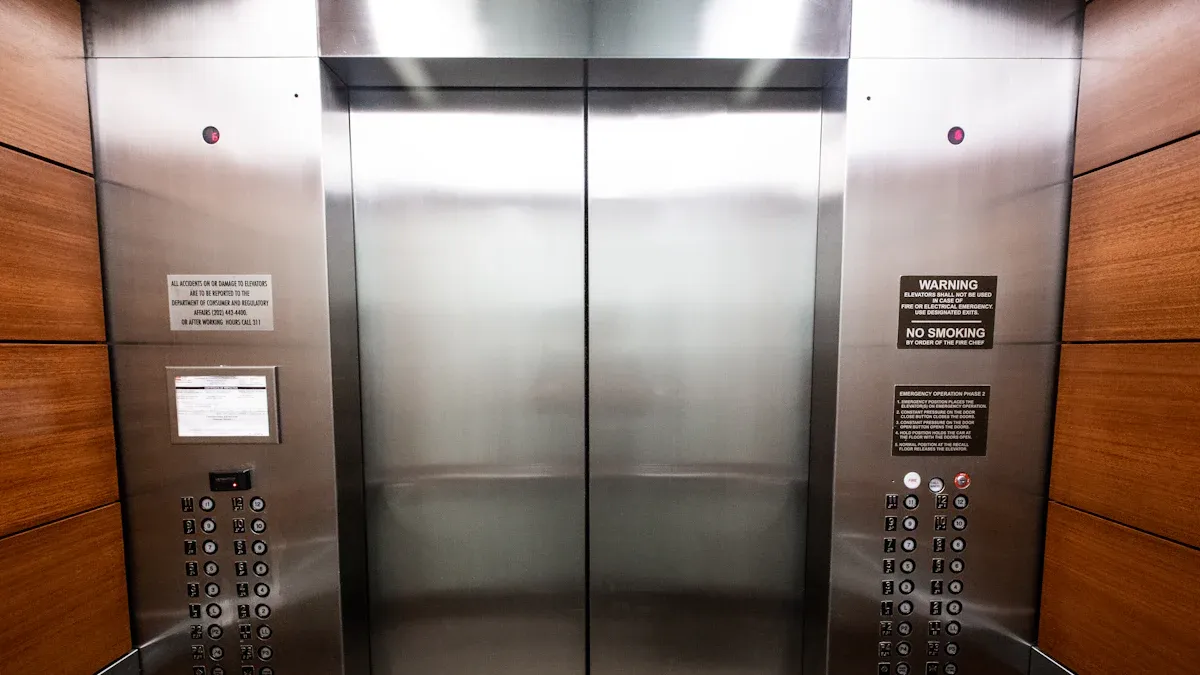
When you think about home elevators, what comes to mind? These lifts can transform your living space, making it more accessible and stylish. They’re not just for luxury homes anymore; many people find them essential for daily life.
Here are some common features you might want to consider:
| Feature | Description |
|---|---|
| Smart Elevators & Automation | These lifts use AI and IoT for predictive maintenance, touchless controls, and voice activation. |
| Energy Efficiency & Sustainability | They often include regenerative energy systems and sustainable materials in their design. |
| Space-Saving & Minimalist Designs | Compact designs require minimal modifications, often featuring glass and panoramic cabins. |
| Accessibility & Aging-in-Place | They focus on user experience with wider doors, low thresholds, and intuitive operation for all ages. |
Choosing the right elevator can enhance your home’s functionality. You’ll enjoy the convenience of moving between floors without the hassle of stairs. Plus, a well-designed lift can add a modern touch to your home.
So, whether you need a lift for mobility or simply want to elevate your home’s style, understanding these features will help you make the best choice.
Types of Elevators

When it comes to choosing the right elevator for your home, understanding the different types can make a big difference. Each elevator type has its unique features, advantages, and considerations. Let’s dive into three popular options: hydraulic lifts, traction elevators, and pneumatic elevators.
Hydraulic Lift Options
Hydraulic elevators are a popular choice for many homeowners. They operate using a hydraulic system that lifts the elevator cab by pushing fluid into a cylinder. Here are some key points about hydraulic lifts:
- Cost-Effective: Typically, the installation cost ranges from $20,000 to $50,000, making them a budget-friendly option.
- High Capacity: These lifts can handle heavy loads, including wheelchair-accessible versions.
- Smooth Ride: You’ll enjoy a smooth and quiet ride, which is perfect for residential settings.
Interestingly, hydraulic elevators are projected to hold 35.3% of the market share in 2025, showing their popularity in the residential sector.
Traction Elevator Features
Traction elevators use a system of pulleys and cables to lift the cab. They are known for their efficiency and speed. Here’s what you should know:
- Speed and Efficiency: Traction elevators can reach moderate to high speeds, making them suitable for taller buildings.
- Noise Levels: While they are generally efficient, they can be noisier than hydraulic systems. The machinery is located within the same shaft as the elevator cab, which can make the sound noticeable.
- Cost: The installation cost typically ranges from $30,000 to $80,000, reflecting their advanced technology.
If you’re looking for a fast and efficient option, traction elevators might be the way to go.
Pneumatic Elevator Benefits
Pneumatic elevators, also known as vacuum elevators, operate using air pressure. They are a unique choice for homeowners. Here are some benefits:
- Quick Installation: Pneumatic elevators can be installed in just 2-4 days, compared to traditional elevators that may take 4-8 weeks.
- Space-Saving Design: They require minimal space and can fit into tight areas, making them ideal for smaller homes.
- Low Capacity: Typically, they accommodate 1-2 passengers, which may limit their use for larger families.
While pneumatic elevators are stylish and efficient for short runs, they may not be suitable for everyone due to their limited capacity.
| Attribute | Hydraulic | Traction (MRL) | Pneumatic (Vacuum) |
|---|---|---|---|
| Typical cost (installed) | $20,000–$50,000 | $30,000–$80,000 | $35,000–$90,000 |
| Speed | Low to moderate (smooth) | Moderate to high (most efficient) | Moderate (suitable for short runs) |
| Load/capacity | High (wheelchair-capable versions) | High (good for heavier loads) | Low (usually 1–2 passengers; limited wheelchair access) |
Choosing the right elevator depends on your specific needs and preferences. Whether you prioritize speed, capacity, or installation time, understanding these options will help you make an informed decision.
Elevator Drive Technologies
When it comes to choosing an elevator for your home, understanding the different drive technologies is essential. Each system has its unique benefits and can significantly impact your elevator’s performance, efficiency, and overall experience. Let’s explore three popular drive technologies: electric drive systems, gearless drive systems, and vacuum drive systems.
Electric Drive Systems Overview
Electric drive systems are among the most widely used technologies in modern home elevators. They operate using electric motors to move the elevator cab. Here are some key points about electric drive systems:
- Efficiency: Electric elevators are known for their energy efficiency. They consume less energy compared to traditional models, which can lead to lower utility bills.
- Smooth Operation: These systems provide a smooth ride, making them a popular choice for residential settings.
- Versatility: Electric drive systems can be adapted for various elevator types, including hydraulic and traction elevators.
In fact, traditional elevators can consume up to 5,000 kWh annually, while vacuum elevators use less than 500 kWh. This difference highlights the energy-saving potential of modern electric systems.
Gearless Drive Systems Explained
Gearless drive systems are a game-changer in the elevator industry. They eliminate the need for gears, which enhances ride quality and reduces maintenance needs. Here’s what you should know:
- Quiet Operation: Gearless traction machines ensure minimal noise and vibration, enhancing passenger comfort. You’ll appreciate the peaceful ride, especially in a home setting.
- Precision: The direct-drive mechanism allows for high-precision landings and softer deceleration. This means you can step out of the elevator with ease and confidence.
- Longevity: Gearless systems are built to last. They typically have a lifespan of around 25 years, which is over 10 years longer than traditional geared systems. This durability translates to a better return on investment.
With gearless systems, you can enjoy a reliable and efficient elevator that meets your needs for years to come.
Vacuum Drive Systems Insights
Vacuum drive systems, also known as pneumatic elevators, operate using air pressure. They offer a unique and modern solution for homeowners. Here are some insights into vacuum systems:
- Simple Installation: The design of vacuum elevators allows for easier installation. They don’t require a dedicated machine room, making them ideal for retrofitting in existing homes. You can install them in smaller spaces without extensive renovations.
- Energy Efficiency: These elevators are incredibly energy-efficient. They use significantly less energy than conventional models, leading to substantial savings on your monthly utility bills. In fact, vacuum elevators can reduce energy consumption by up to 90% compared to traditional systems.
- Modern Design: With their sleek and contemporary look, vacuum elevators can enhance the aesthetic appeal of your home. They fit seamlessly into modern interiors while providing functionality.
Top Elevator Brands
When it comes to choosing an elevator, brand reputation matters. Here are some top brands you should consider:
Brand A Highlights
Thyssenkrupp stands out for its global reputation and heavy investment in research and development. You can trust their products for quality and luxury. Their elevators often come with advanced features that enhance user experience.
Brand B Features
Otis is known for its proven technology and aesthetic options. They maintain high safety standards, making them a reliable choice. With an extensive service network, you can count on them for support whenever needed.
Brand C Comparisons
Let’s compare some key features of these brands:
| Brand | Key Features | Advantages |
|---|---|---|
| Thyssenkrupp | Global reputation for quality, heavy investment in R&D | Confidence in products, luxury association |
| Otis | Proven technology, aesthetic options, high safety standards | Extensive service network, trusted brand recognition |
| KONE | Sustainable solutions, user-friendly design, destination control system | Leadership in sustainability, innovative design approach |
| Schindler | Advanced safety features, customizable cabins, predictive maintenance | High-quality manufacturing, global service excellence |
| Mitsubishi Electric | Advanced technology, high-quality products | Strong presence in the elevator market |
These brands not only offer reliability but also cater to various needs. Whether you prioritize aesthetics or safety, you’ll find a suitable option among them.
Buying Guide for Home Elevators
Assessing Your Elevator Space
Before you choose an elevator, assess your available space. Here are some key factors to consider:
- Family Needs: Think about who will use the elevator. Do you have elderly or disabled family members?
- Shaft Dimensions: Measure the height and width of the area where you plan to install the lift.
- Safety Features: Ensure the elevator has safety certifications and emergency systems.
Different elevator types have varying space requirements. For example:
| Elevator Type | Space Requirements |
|---|---|
| Hydraulic Elevator | Requires a substantial pit and a machine room on the ground level |
| Pneumatic Elevator | Needs more overhead space but no pit or machine room |
| Shaftless Elevator | Requires less space, making it easier to fit in existing buildings |
Budgeting for Your Lift
Next, consider your budget. Most homeowners can expect to pay between $20,000 and $60,000+ for a residential elevator. Here’s a breakdown of average costs:
| Type of Elevator | Price Range |
|---|---|
| Shaftless Home Elevators | $15,000 – $30,000 |
| Hydraulic Home Elevators | $30,000 – $50,000 |
| Traction Home Elevators | $25,000 – $55,000 |
| Vacuum (Pneumatic) Home Elevators | $45,000 – $60,000 |
| Traditional Home Elevators | $40,000 – $100,000+ |
Installation and Maintenance Tips
Finally, plan for installation and maintenance. Schedule annual inspections with a qualified technician to keep your elevator running smoothly. Regular maintenance helps identify potential issues early and ensures safety.
By following these guidelines, you can make an informed decision about your home elevator.
Choosing the right elevator matters. It enhances accessibility for those with mobility challenges and makes daily tasks easier, like moving groceries. Plus, it can boost your property value. Think about your needs and preferences. With the right information, you can make a smart choice that fits your lifestyle.
FAQ
What is the average cost of a home elevator?
The average cost ranges from $20,000 to $60,000, depending on the type and features you choose.
How long does it take to install a home elevator?
Installation typically takes between 2 to 8 weeks, depending on the elevator type and your home’s layout.
Do I need a special permit for a home elevator?
Yes, most areas require permits for installation. Check with your local building authority for specific regulations.
Post time: Mar-13-2026