
Have you ever felt frustrated during an elevator ride? Certain actions really annoy you. What common behaviors make your journey in the elevator unpleasant or unsafe? Look at this data on common annoyances:
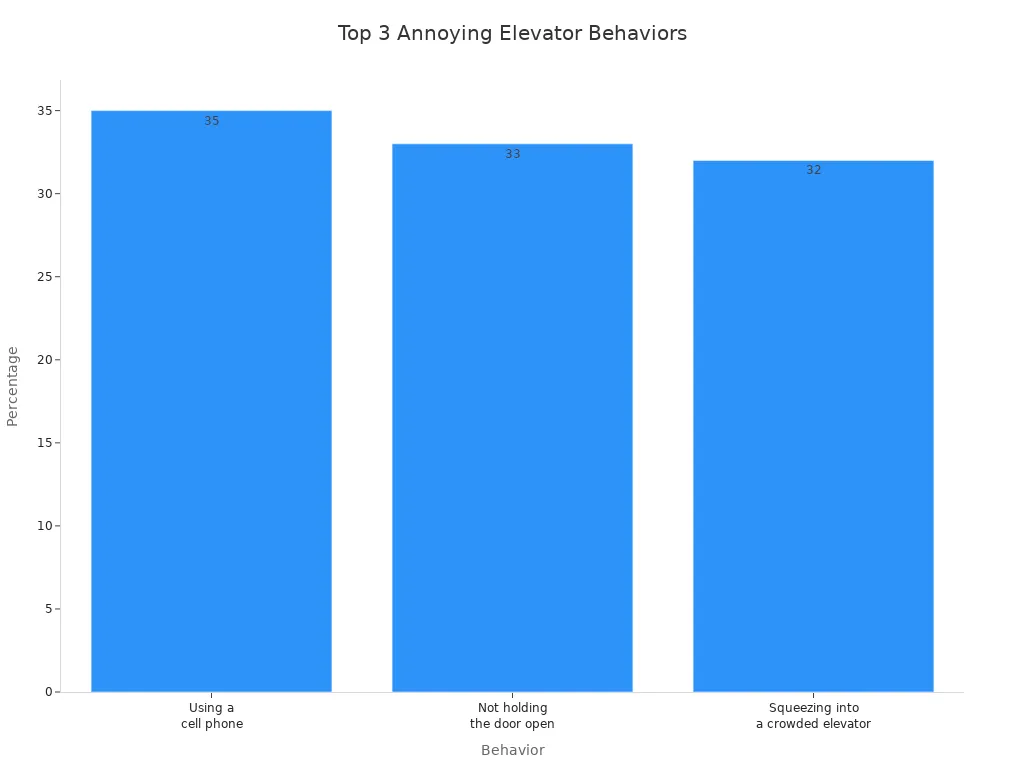
Understanding these issues helps us all improve our shared lift experience.
Key Takeaways
- Respect personal space and keep noise levels low in elevators.
- Avoid blocking doors, pressing buttons unnecessarily, or engaging in dangerous actions.
- Keep pets controlled, clean up messes, and be mindful of others’ allergies or fears.
Annoying Human Behaviors in the Elevator
Invading Personal Space in the Elevator
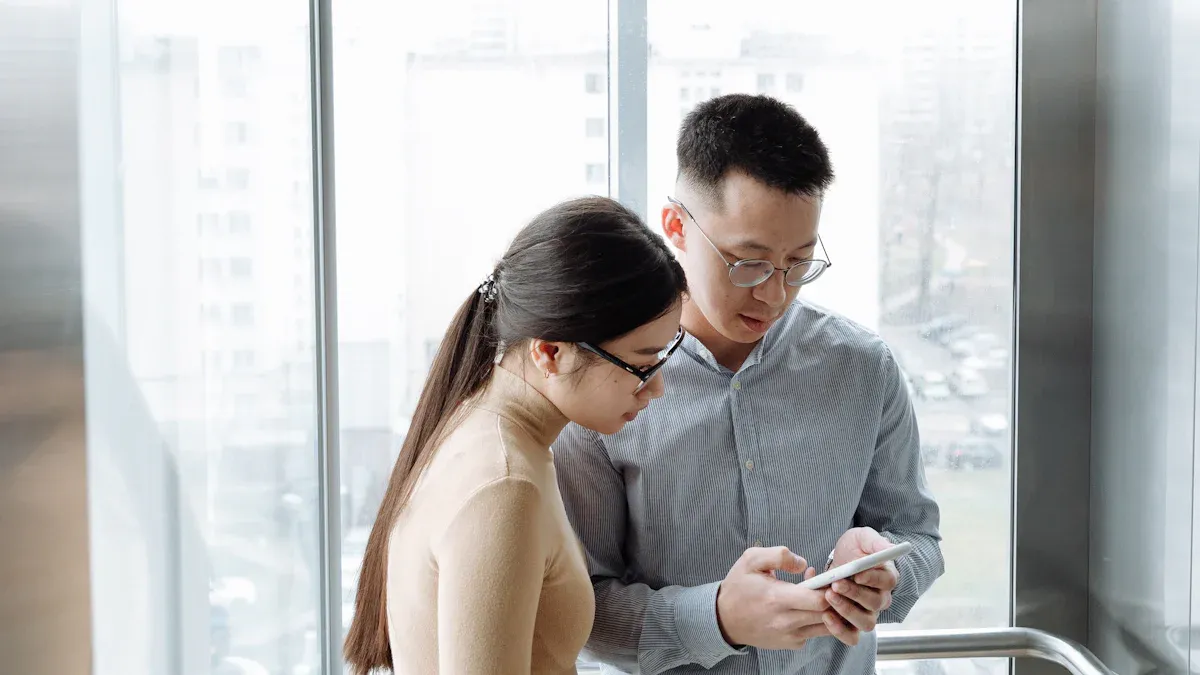
When you step into an elevator, you expect a certain amount of personal space. But sometimes, people stand too close. This can make you feel anxious. Confined spaces can even cause panic symptoms like a fast heart rate. This feeling is often linked to claustrophobia, a fear of enclosed spaces. Your personal space is important for your comfort.
Excessive Noise and Distractions in the Elevator
Loud noises can really get on your nerves. You might hear constant humming, rattling, or buzzing sounds. These noises can distract you. They make your ride less peaceful. Keep your phone conversations quiet. Avoid playing loud music.
Unhygienic Habits in the Elevator
Some habits are just plain gross. Sneezing or coughing without covering your mouth spreads germs. Leaving tissues or other trash behind is also unhygienic. Think about others who use the space after you. A clean environment benefits everyone.
Blocking the Elevator Door
Have you ever seen someone block the elevator door? Many people do this. Look at this data:

People often use their hands or bodies to stop doors from closing. This can cause the elevator to stop working. It can even damage the door. If you block the door too many times, the system might shut down.
Unnecessary Button Pressing in the Elevator
Pressing the same button over and over does not make the elevator go faster. It just wastes time. It can cause delays for everyone. Sometimes, it can even lead to stuck or unresponsive buttons. This creates mechanical problems.
Dangerous Physical Actions in the Elevator
Some actions are very dangerous. Lingering between the hall door and car door is risky. Leaning against the door can be unsafe if the car is not there. Never try to stop closing doors with your hands or feet. Do not rush into the elevator right when the door opens. The car might not be there. If you drop something, do not reach into the gaps. Get professional help instead. Jumping or pressing buttons randomly inside a moving car is also unsafe.
Unacceptable Animal Conduct in the Elevator
Uncontrolled Pets in the Elevator
Bringing your pet into an elevator means you need to keep them under control. An uncontrolled pet can cause big problems. Crowded places like an elevator can make dogs feel stressed. This stress might make them act aggressively. Imagine a dog attacking someone in a small space. One incident involved an uncontrolled dog in an elevator that attacked a person. The victim suffered severe facial injuries, needing plastic surgery. This kind of event causes not only physical harm but also emotional distress for those involved. Always keep your pet on a leash and close to you.
Pet Messes and Odors in the Elevator
No one wants to step into an elevator and find a mess. Pet accidents happen, but you must clean them up immediately. Leaving pet waste behind is unsanitary and disrespectful to others. Strong pet odors can also linger. These smells make the ride unpleasant for everyone else. Always be prepared with bags and cleaning supplies if you bring your pet.
Addressing Pet-Related Allergies and Fears in the Elevator
Remember that not everyone loves animals, or they might even be allergic. Some people have severe allergies to pet dander. Others might have a fear of dogs or cats. When you bring your pet into a shared space, you should be mindful of these concerns. Keep your pet close and try to avoid direct contact with other passengers. This helps ensure a comfortable ride for everyone.
Misuse of Personal Items in the Elevator
Blocking Elevator Access with Belongings
You often carry bags or luggage. But you must be careful with your items. Do not let them block the doors. Your belongings can stop the doors from closing. This causes delays for everyone. It can even damage the door system. Always make sure your items are clear of the door path.
Strong Odors from Food or Perfume in the Elevator
Have you ever noticed a strong smell in a small space? It can be unpleasant. If you carry food with a strong odor, or wear a lot of perfume, these smells fill the air quickly. They linger. People in apartments and hotels often complain about food smells. Strong fragrances are also common in public places like taxis. Think about others who share the ride.
Littering and Leaving Trash in the Elevator
Leaving trash behind makes the space look bad. It is not hygienic. Poor waste management, like littering, harms the environment. It also makes living spaces less appealing. Keeping things clean improves hygiene. It creates a more pleasant environment for everyone. A tidy space shows respect for others.
Damaging Elevator Interiors
Damaging the inside of the car costs money to fix. Scratching the walls or messing with buttons causes problems. Minor repairs, like fixing buttons, can cost hundreds of dollars. Major repairs, such as the motor, can cost thousands. Damage causes breakdowns. This means longer waits for you and everyone else. Vandalism often leads to unexpected outages. These are more expensive than planned maintenance.
Clearly Prohibited Actions in the Elevator
Overloading the Elevator
You might think squeezing in one more person is fine. But overloading an elevator is a big no-no. When you exceed the weight limit, you put huge strain on its parts. This strain can cause cables to snap or the motor to fail. Ignoring those posted weight limits increases the risk of an accident. It can lead to breakdowns and sudden stops. You want a smooth ride, right? So, respect the capacity.
Tampering with Elevator Controls
Never mess with the buttons or controls. Tampering with these safety mechanisms can cause serious accidents. These incidents can lead to devastating physical injuries. Victims often face significant physical, emotional, and financial problems. You should always leave the controls alone.
Smoking or Vaping in the Elevator
Smoking or vaping inside an elevator is not allowed. It creates an unpleasant environment for others. The smell lingers. It can also trigger fire alarms. This causes unnecessary panic and delays.
Misusing the Emergency Button in the Elevator
The emergency button is there for real emergencies. If you get stuck, stay calm. Use the emergency call button to speak with someone who can help you. If that doesn’t work, try shouting or knocking on the door. You can also use intercoms if they are available. Only press the emergency stop button if there’s an immediate danger, like a fire or machinery malfunction. Misusing it can disrupt service for everyone. It can even damage the machinery.
Horseplay and Roughhousing in the Elevator
An elevator is not a playground. Horseplay or roughhousing can cause injuries. You could fall, or you could hurt someone else. It can also damage the interior of the car. Keep your movements calm and respectful.
Your inconsiderate actions affect everyone. They make elevator rides unpleasant. Small gestures create a better space. Say “thank you” when you exit. This simple act shows respect. It makes the shared experience positive. Be mindful of others. Your conduct benefits everyone in the elevator.
FAQ
What should you do if the elevator is full?
Wait for the next one. Overloading strains the elevator. It can cause breakdowns. Your patience keeps everyone safe.
How can you be polite when entering an elevator?
Stand aside for exiting passengers. Then, step in quickly. Move to the back if you go up many floors. This makes space for others.
What if you see someone misbehaving in the elevator?
You can politely remind them of elevator rules. If they continue, report serious issues to building management. Your safety comes first.
Post time: Feb-06-2026