
I believe understanding critical problems in villa elevator usage is key to safety. Common issues include electrical faults and worn mechanical parts. Regular maintenance, proper operation, and quick malfunction response are paramount for your villa elevator, lift. This guide provides essential safety tips for 2025.
Key Takeaways
- Regular maintenance and inspections are very important. They keep your villa elevator safe and working well.
- Always follow safety rules when using the elevator. Pay attention to weight limits and supervise children and pets.
- Know what to do in an emergency. Stay calm and use the emergency phone if you get stuck.
Understanding Your Villa Elevator: Key Components and Vulnerabilities
The Importance of the Control System
I understand the control system is the brain of your villa elevator. It dictates the lift’s intelligence. Key components include power-related parts like the frequency converter and safety-related filters. The speed limiter is crucial. It acts like a car’s brake trigger. It stops the lift if it goes too fast, preventing falls. My control system offers real-time monitoring, emergency stop functions, industrial-grade durability, and a user-friendly interface. Password-protected access ensures security.
Door Mechanisms: Common Failure Points
I find malfunctioning doors are a top reason for downtime. Most issues come from mechanical problems or wear. Obstructions like debris in door tracks also cause strain. Common door problems I see include:
- Misaligned Doors: They do not line up correctly, causing dragging or sticking.
- Slow Operation: The door operator motor might have issues.
- Noisy Operation: Screeching or grinding sounds mean worn parts.
- Safety Concerns: Faulty sensors stop doors from working right.
Dirty sensors or worn rollers are frequent culprits. Regular maintenance helps prevent these issues.
Cab Structure and Glass Panels Integrity
I know the integrity of the cab structure and glass panels is vital. Safety glass prevents injuries if it breaks. Tempered glass shatters into small pieces. Laminated glass has plastic layers that keep cracks contained. Safety glass must pass impact tests. For critical areas, laminated interlayers are mandatory. Glass also has fire resistance ratings. Class EI provides thermal insulation. Ratings like EI30 mean 30 minutes of fire resistance. I ensure compliance with standards like BIS. Passenger lifts often use 6–12 mm thick tempered laminated panels. Panoramic cabs use extra-clear, extra-thick laminated glass.
Emergency Features: Alarms, Lights, and Communication
I always check for essential emergency features. These systems keep users safe.
- Emergency Braking Systems: They activate if the lift exceeds safe speed, preventing rapid descents.
- Door Interlocks and Sensors: These ensure the lift stays still until doors close. Sensors also detect obstructions.
- Overload Sensors: They prevent operation if the weight limit is over, protecting passengers.
- Emergency Communication Systems: Two-way intercoms allow contact with staff or emergency services.
- Backup Power Supply: This allows safe exit during a power outage.
Operational Safety: Best Practices for Daily Elevator Use
Weight Limits and Overloading Hazards
I always emphasize understanding your villa lift’s weight limits. Overloading is a serious safety risk. It can cause mechanical strain and lead to malfunctions. Typical residential villa elevators, also known as home lifts, generally have a weight capacity ranging from 500 to 750 pounds. Some models can accommodate heavier loads, reaching up to 1,500 pounds. I know weight limits vary significantly between different elevator models. For instance, vacuum elevators often have lower capacities. Some residential hydraulic elevators start at 900 pounds. You can find specific models with capacities like 830 pounds for a vacuum elevator or 1,500 pounds for a hydraulic model. Always check your specific model’s manual. I advise against exceeding this limit. This protects both the equipment and the passengers.
Proper Entry and Exit Procedures
Safe entry and exit are crucial for daily elevator use. I follow specific steps to ensure safety.
When approaching an elevator:
- I know my destination. I push the correct call button.
- I stand aside to allow exiting passengers.
- I wait for the next elevator if the current one is full.
- I use stairs during a fire.
- I do not attempt to stop closing doors.
When entering and leaving an elevator:
- I enter and exit carefully. I adjust for any level differences.
- I hold children securely.
- I keep clear of doors. I ensure clothes and items are away from the opening.
- I use the DOOR OPEN button if needed. I ask for assistance if I need it.
When riding the elevator:
- I stand near the elevator wall.
- I use handrails if available.
- I pay attention to floor indicators.
- If doors do not open upon stopping, I press the DOOR OPEN button.
I also make sure to:
- Wait for people to exit. I stand clear of the doors. I look inside to ensure the path is clear. I allow others to exit before entering.
- Pay attention to elevator direction. I confirm the elevator is going in my desired direction before boarding.
- Use common sense when pressing buttons. I avoid pressing unnecessary buttons. I politely ask someone closer to the panel to press my floor button if needed. I do not press already lit buttons.
- Protect personal space. I avoid bumping into others. I apologize if I do. I find a safe standing spot facing the door. I avoid moving around while the elevator is in motion.
Child and Pet Safety Supervision
I prioritize the safety of children and pets in the elevator. Supervision is key.
For children, I implement specific safety measures:
- I teach elevator etiquette. This includes pressing buttons gently and standing still.
- I install locks or security codes. This restricts elevator operation to authorized users.
- I designate the elevator area as a no-play zone. This prevents accidents.
- I supervise children, especially toddlers and young kids. I never allow them to use the elevator alone.
For pets, I follow specific safety measures:
- I gradually train pets to use the elevator. I associate it with positive experiences.
- I always accompany pets. I never allow them to ride alone.
- I use a short leash to prevent sudden movements.
- I ensure pets are completely inside the cab and clear of the doors before the elevator moves.
I also rely on essential safety features:
- Automatic Door Locking Systems prevent the elevator door from opening unless the cab is present and correctly aligned.
- Infrared Door Sensors detect movement or obstructions in the doorway. They prevent doors from closing on individuals or pets.
- An Emergency Stop Button allows for immediate cessation of movement in an emergency. I ensure it is placed out of reach of small children.
- Key Switch Controls provide controlled access to the elevator. They restrict usage to authorized individuals.
- Interlocks and Safety Gates ensure the elevator cannot operate unless all doors are securely shut. This reduces fall risks.
- Smooth and Quiet Operation is a design feature. It is less startling for pets and helps prevent loss of balance.
I also engage safety locks when the elevator is not in use. I conduct elevator drills to prepare for emergency scenarios. I keep emergency contact numbers readily accessible near the control panel. I always lock manual gates or doors when the elevator is unused to secure the shaft way. I adhere to the elevator’s weight capacity. I educate children about not overcrowding it. I inform holiday guests about elevator safety tips, especially if children will be using it.
For pets, I always keep them on a short leash. This maintains control and reduces the risk of the leash getting caught in doors. I keep pets close while waiting for the elevator. This prevents them from entering prematurely. I carry small pets or use a pet carrier. This ensures their security and prevents wandering. I am vigilant. I pay close attention to pet movements, especially near doors. Pets may not perceive the danger of closing doors. In case a leash gets caught, I release it immediately. This prevents harm to the pet. Thin, flat leashes are less prone to strangulation. I use emergency tools, if available, to cut a stuck leash.
Emergency Protocols During Power Outage or Malfunction
I know what to do if the power goes out or the elevator malfunctions. Staying calm is the first step.
If you get stuck:
- Do not panic. You are not in danger. Help will arrive.
- Use the emergency phone to contact a maintenance professional. Operators are available 24/7.
- Do not attempt to force open doors or climb out. This avoids injury.
- Stay away from the doors. Preferably, stay at the back of the car. The elevator might shift or doors might open unexpectedly.
- Be aware that help may take an hour or two to arrive. Being stuck is generally not a significant safety risk.
I understand elevators in the U.S. are legally required to have emergency phones. These allow occupants to contact an operator during outages. The International Building Code (IBC) mandates backup power systems for elevators. This ensures continued operation, at least temporarily, during outages. These backup systems should allow occupants to exit safely during a power outage. I verify no one is trapped. I call the elevator company or fire department if unsure. I prevent further use of the elevator until power is restored. I place ‘out of order’ signage.
I know elevators have safety mechanisms. These prevent plummeting during power outages. These systems often include backup power (batteries or generators). This lowers the elevator to the nearest floor and opens doors. Elevators are programmed to automatically shut down during outages. This prevents passengers from getting trapped between floors. Emergency communication systems are available for passengers to contact help.
The Critical Role of Elevator Maintenance and Inspections
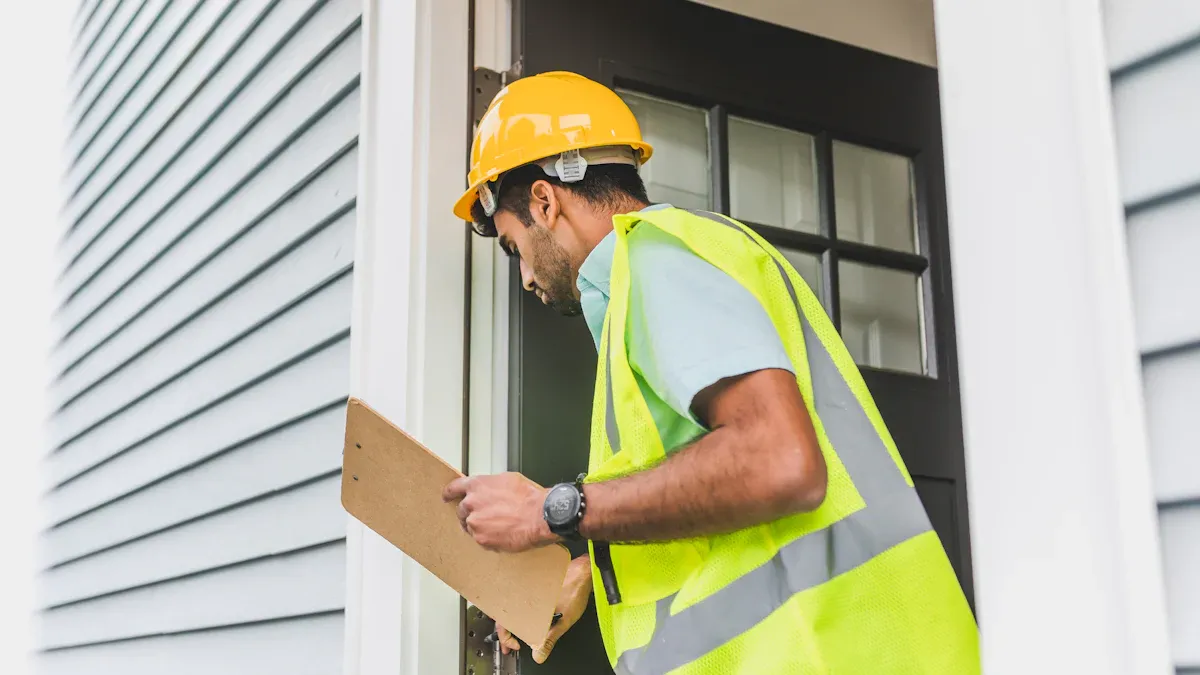
I know regular maintenance and thorough inspections are not just recommendations. They are essential for the safety and longevity of your villa lift. Proactive care prevents serious issues. It ensures reliable operation.
Scheduling Regular Professional Servicing
I always prioritize scheduling regular professional servicing. This practice prevents breakdowns. It also extends the lifespan of your villa lift. For general villa elevators, I recommend servicing at least once a year. Older systems, frequently used lifts, or advanced models often require more attention. I schedule these every six months.
Several factors influence the ideal service interval. I always consider the manufacturer’s maintenance recommendations. Adhering to these OEM intervals helps prevent unexpected breakdowns. The usage frequency of an elevator also plays a role. Residential elevators used less than 6,000 times per month may have different requirements. High-traffic commercial elevators need more frequent service. The age of the elevator is another critical factor. New installations and older systems, especially those nearing their end-of-life stage, are more prone to issues. They require more frequent maintenance. Elevators in the middle of their lifecycle tend to be more reliable.
Daily Visual Inspections for Your Elevator
I perform daily visual inspections on my villa lift. These quick checks help me spot potential problems early. I always check the cabin lighting. I also verify the emergency light function. I look for smooth door operation. There should be no sticking, scraping, or uneven closing. I inspect the keypad and call buttons for responsiveness and wear. I look for unusual odors, such as electrical or burning smells. I also check for fluid leaks in machine rooms or hoistways. I inspect interior finishes like glass, wood, and metal for scrapes, finger marks, or loose panels. Finally, I test emergency communications. This includes the phone or intercom. I ensure mobile signals or backup systems work correctly.
Recognizing Warning Signs: Noises, Jerks, Delays
I pay close attention to any changes in my elevator’s operation. Unusual sounds and vibrations often indicate malfunctions. These can stem from mechanical failures. Loose parts, worn-down bearings, or misaligned components are common culprits. Slow, jerky, or unpredictable movements are also significant indicators. Poor motor function can cause these movement issues. Insufficient lubrication for moving parts or worn-out belts, pulleys, and other components also contribute. Overload situations can damage the motor, cables, or braking system. This affects the elevator’s proper movement.
I listen for specific noises. Grinding noises often indicate worn-out gears or bearings within the machinery. Squeaking sounds typically come from friction between metal parts. Guide rails and elevator shoes might lack lubrication or suffer from misalignment. Banging or thumping may signal issues with the leveling system. Problems with counterweights also suggest imbalance or obstructions. Humming or buzzing usually points to electrical problems. These include malfunctioning motors, control system issues, or faulty wiring. Clanking or rattling suggests loose or broken parts. Unsecured bolts or nuts are common examples. Whistling or whooshing often results from air pressure changes in the shaft. This indicates gaps or leaks in the enclosure.
Importance of Certified Technicians and Genuine Parts
I understand the importance of certified technicians. They possess the expertise to diagnose and repair complex elevator systems. Their training ensures they follow safety protocols. They also adhere to industry standards. I always insist on genuine parts for any repairs or replacements. Genuine parts guarantee compatibility and performance. They maintain the integrity of the original design. Using uncertified technicians or generic parts can compromise safety. It can also lead to more frequent breakdowns. I trust only qualified professionals to work on my villa lift.
Future-Proofing Your Villa Elevator: Technology and Upgrades
Smart Monitoring Systems for Proactive Detection
I believe smart monitoring systems are crucial for proactive detection. These systems predict when an elevator needs fixing before it breaks down. This ensures safety and smooth operation. They continuously monitor for risks 24/7. This allows for quick fixes before small issues become major problems. Smart systems also reduce money spent on large repairs later on. They increase efficiency and reduce downtime. I find they save money by avoiding big repairs and extending the lifespan of parts.
Enhanced Safety Features: Automatic Rescue Devices
I recommend enhanced safety features like Automatic Rescue Devices (ARDs). ARDs ensure safe evacuation during power failures. When power is lost, the ARD activates automatically. A backup battery system engages within seconds. The elevator then slowly travels to the closest landing. The doors open automatically for safe exit. The system resets once main power is restored. ARDs prevent ‘man trap’ situations. They operate automatically without manual intervention.
Regulatory Compliance for Elevator Safety Standards
I always ensure regulatory compliance for elevator safety standards. In North America, I follow ASME A17.1/CSA B44. For Europe, I look at EN 81-41. These standards cover car size, door interlocks, and emergency communication. I also consider backup power and minimum lighting levels. It is crucial to consult with the local Authority Having Jurisdiction (AHJ). This confirms applicable codes for my specific residential elevator.
Investing in Quality Elevator Equipment
I prioritize investing in quality elevator equipment. I consider the elevator’s size for users and mobility aids. The load capacity must surpass the intended load. This ensures safe operation. I check the shaft location for structural integrity. Automatic doors with safety sensors are essential. A user-friendly control system with emergency call buttons is also important. I ensure a power backup system is in place. This guarantees functionality during power outages.
Addressing Common Elevator Safety Concerns
Preventing Door-Related Accidents
I know door-related accidents are a major concern. I implement a rigorous schedule for routine elevator inspections and maintenance. This ensures all components are in optimal condition. I also modernize older elevator systems with advanced safety features. This enhances overall safety and performance. I install a keyed access system on my home elevator. This prevents unsupervised operation, especially by children. I ensure regular inspections by an elevator company. This confirms good working order and identifies safety hazards.
A significant danger in home elevators is the gap between the elevator car and the hoistway door. This gap can be up to four inches. This space poses a risk of entrapment for children. It can lead to serious injuries or fatalities. Home elevator doors designed to resemble closet doors can be manipulated. Individuals unaware of the elevator’s operation might open them. This potentially allows the elevator to run with the door open.
Safeguarding Against Electrical Issues and Power Outages
I safeguard my elevator against electrical issues and power outages. I ensure a battery backup system is in place. This feature lowers the elevator cab to the nearest landing. It opens the door during a power outage. This allows occupants to exit safely. Emergency lights activate immediately during a power outage. These lights are powered by an alternate source. This helps occupants see and use the emergency phone or alarm. I conduct regular inspections of electrical components. This includes control systems as part of routine maintenance. I use up-to-date surge protection. This safeguards against voltage spikes. I invest in high-quality electrical components. This helps prevent failures.
Emergency Situations: Quick and Calm Responses
I prepare for emergency situations. I know quick and calm responses are vital. I contact emergency services immediately. I use the emergency button or phone inside the elevator. I clearly communicate my location, building name, and floor level. I also mention any medical needs to responders. I resist the urge to force open doors. I do not try to escape on my own. These actions can be dangerous. I stay calm. I take deep breaths. I reassure others inside the elevator. I adhere to instructions from emergency responders. I maintain communication until the rescue is complete.
Smooth Operation: Preventing Jerks and Unexpected Stops
I aim for smooth elevator operation. I prevent jerks and unexpected stops. Mechanical malfunctions can cause these issues. Improper installation, faulty wiring, or worn components are common culprits. Speed faults can cause the elevator to move too fast or too slow. This leads to sudden jerks or stops. Insufficient maintenance also contributes. Worn brakes and loose parts are examples. I ensure regular inspections and maintenance. This ensures all components work correctly. It also ensures safety features are operational. I address mechanical problems, electrical issues, and programming errors promptly.
The Human Element: User Responsibility for Elevator Safety
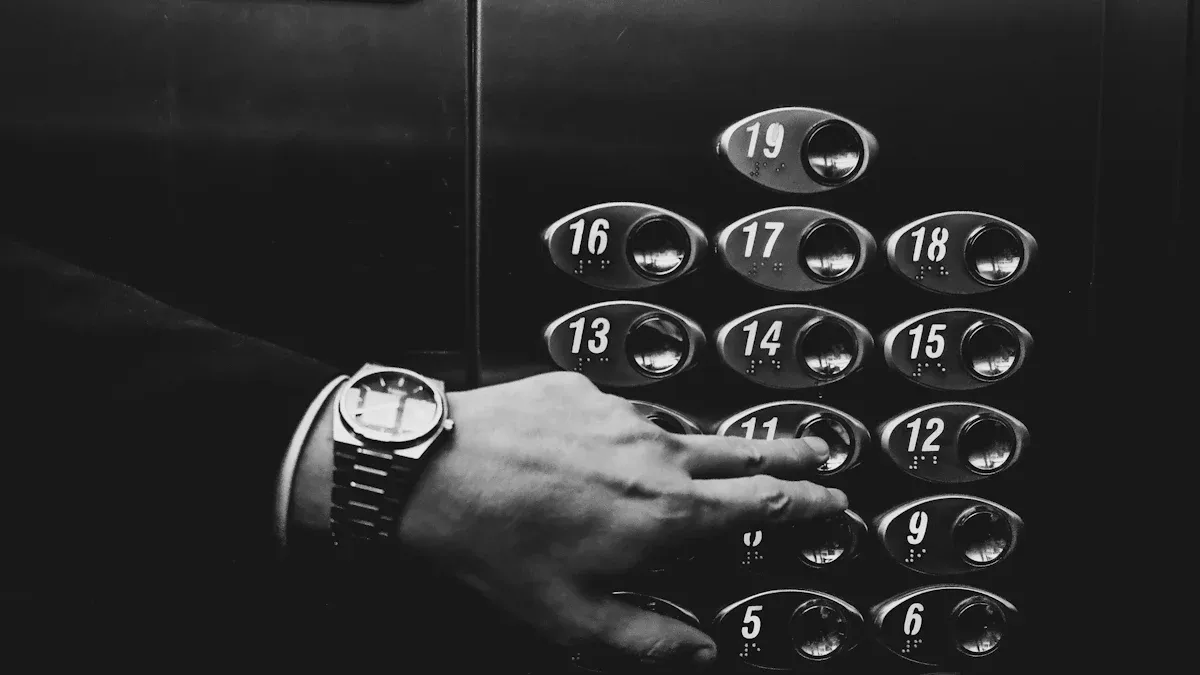
Educating All Users on Elevator Safety
I believe educating all users on elevator safety is crucial. I teach everyone in my villa about proper elevator etiquette. This includes children and guests. I emphasize key safety guidelines:
- I am cautious when boarding and exiting. I pay attention to the floor level. I ensure doors open completely. This prevents trips and falls.
- I do not hold open elevator doors. This can disrupt operation. It causes delays. It can lead to malfunctions or injuries.
- I avoid overcrowding. Exceeding capacity causes malfunctions. It creates dangerous situations. I wait for the next elevator if it appears full.
- I take action in case of an emergency. If trapped, I press the emergency button. I stay calm. In case of fire, I do not use elevators. I use stairwells instead.
I also tell them to check inspection dates. They should verify the elevator certificate for the last inspection date. If stuck, I tell them to press the emergency button. They must wait calmly for help. I remind them not to jump. Jumping can trigger safety mechanisms. It can cause the elevator to stop. I teach them to recognize unsafe signs. These include strange noises, jerky movements, or doors that do not close properly.
Prompt Reporting of Elevator Issues
I always report elevator issues promptly. This helps maintain safety. I follow a clear procedure:
- I stay calm. Panicking does not help. I take deep breaths.
- I press the emergency button. This alerts building management or emergency services.
- I use the intercom. I speak clearly. I give my location in the building.
- I check the emergency stop button. I ensure it has not been accidentally pressed.
- I avoid forcing doors open. I never try to open elevator doors myself.
- I call using my cellphone if I have a signal. I call the emergency hotline number for help.
- I wait for instructions. I follow any instructions given by emergency responders or building staff.
- I conserve energy if help is delayed. I conserve my phone battery. I relax as much as possible.
I also inform the maintenance team right away. I provide details like unusual noises or specific malfunctions. If passengers are trapped, I prioritize their safety. I stay calm. I reassure them. I document the breakdown. I note the time, date, and observed malfunctions. This helps diagnose and fix the problem. It identifies recurring issues.
Avoiding Misuse and Unsafe Practices
I actively avoid misuse and unsafe practices. I know these actions can damage the elevator. They can also create hazards. I never overload the elevator. Exceeding the weight capacity strains mechanical parts. It increases the risk of cable snapping or motor failure. I do not bypass safety measures. I never leave doors open. I do not override built-in safety mechanisms. I always stand clear of doors. I position myself to the side. This allows exiting passengers to leave first. I watch my step. I keep belongings close. This avoids door contact when boarding. I maintain appropriate spacing from other passengers. I stay aware of my surroundings during the ride. I never attempt to force doors open. I do not climb out of a stalled elevator. I pay attention to warning signs. These include sudden stops, jerky movements, or unusual noises.
Staying Informed on Safety Guidelines
I stay informed on elevator safety guidelines. I regularly check resources. These resources provide valuable information. I consult the National Elevator Industry, Inc. I also look at the Elevator Escalator Safety Foundation. These organizations offer important safety documents. I review PDFs on emergency operation of elevator systems. I also read about extreme weather protection for elevators. I find NEII safety infographics helpful. Staying informed helps me ensure my villa lift remains safe.
I prioritize safety. This ensures a secure villa elevator experience for everyone. Diligent maintenance and informed operation are crucial for longevity. I know awareness of potential issues guarantees long-term enjoyment of your lift. Following these essential tips ensures a safe and reliable lift for years to come.
Post time: Dec-12-2025