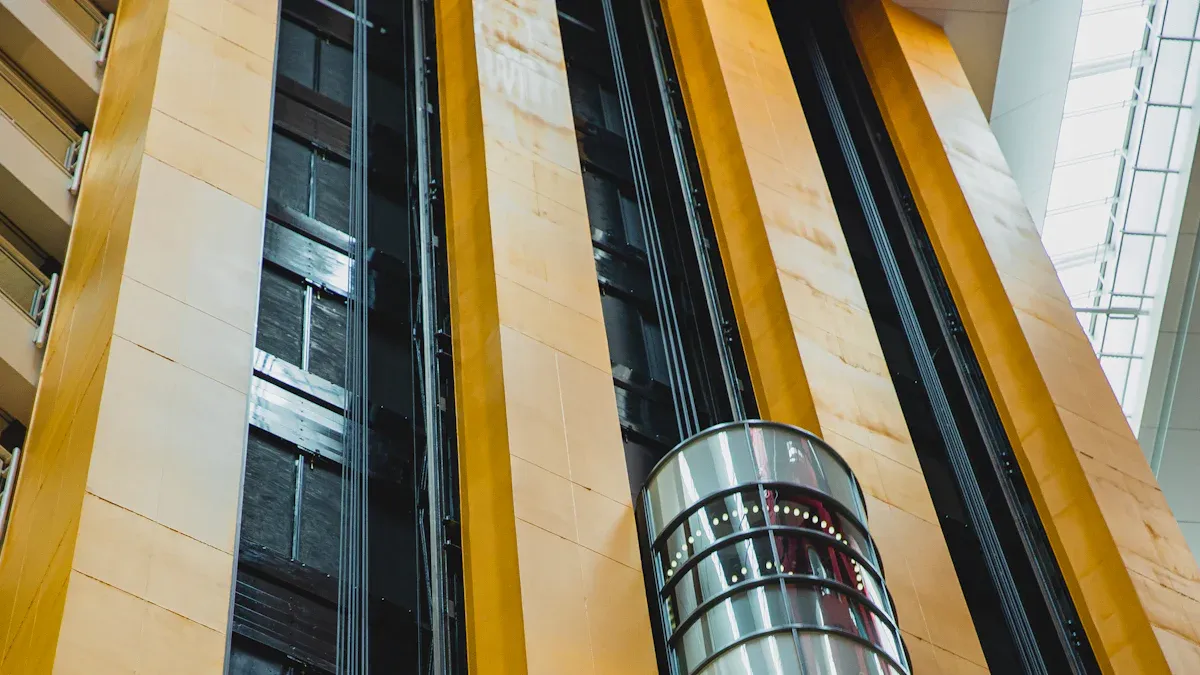
An elevator can turn an ordinary day into a memorable one. Picture this: a stranger cracks a joke, and suddenly, the awkward silence melts into shared laughter. With over 18 billion elevator trips taken annually in the U.S., surprises are bound to happen. Some moments are amusing, others profound, but they all remind us that even the smallest spaces can hold the biggest stories.
Key Takeaways
- Elevators can make special memories. A child’s dreams or a quick romantic moment can happen in these small spaces.
- Surprising events, like being stuck in an elevator, can bring people closer. These times help you bond with others nearby.
- Talking in elevators builds friendships. Saying hello can cheer someone up and start new connections.
Personal Elevator Stories
Childhood Adventures in an Elevator
For a child, an elevator can feel like a magical box. It moves up and down with the press of a button, creating endless possibilities for adventure. One boy, for instance, turned his building’s elevator into a spaceship. He would press the top floor button, imagining himself soaring through the galaxy. The glowing numbers above the door became stars, and the gentle hum of the motor sounded like a rocket engine.
Another child, a curious girl, once decided to test how many times she could ride the elevator before anyone noticed. She made it to 15 trips before her mother found her, laughing at her determination. Elevators, with their confined spaces and buttons to press, often become playgrounds for young imaginations.
Tip: Next time you see a child in an elevator, watch their face light up as they press the buttons. It’s a reminder of how small things can spark big joy.
A Brief Romantic Encounter in the Lift
Elevators in urban environments often serve as stages for fleeting moments of connection. In the television series Mad Men, elevators are depicted as private yet public spaces where individuals from different walks of life share brief, intimate exchanges. One such moment occurred when a young professional stepped into an elevator after a long day. A stranger joined her, and their eyes met.
The confined space amplified the tension. He complimented her on her choice of book, sparking a conversation that felt both personal and spontaneous. By the time the elevator reached the ground floor, they had exchanged smiles and a sense of connection. Though they never met again, that brief encounter left a lasting impression.
Elevators, with their unique blend of privacy and proximity, often create opportunities for such fleeting yet memorable interactions. They remind us that even in the busiest cities, moments of human connection can still surprise us.
Trapped with Family: An Unexpected Bonding Moment
Getting stuck in an elevator might sound like a nightmare, but for one family, it became an unforgettable bonding experience. During a holiday trip, a father, mother, and their two teenage kids found themselves trapped between floors. At first, panic set in. The father tried pressing buttons, while the mother called for help. The kids, however, decided to lighten the mood by cracking jokes.
As minutes turned into an hour, the family began to share stories. The father talked about his childhood, and the mother shared a funny memory from their early days of marriage. The teenagers, who rarely spoke to their parents at home, laughed and joined in. By the time the elevator doors finally opened, the family had created a memory they would cherish forever.
Note: Sometimes, unexpected situations bring people closer together. The next time you’re stuck in an elevator, consider it an opportunity to connect with those around you.
Societal Dynamics in Elevators
The Unspoken Rules of Elevator Etiquette
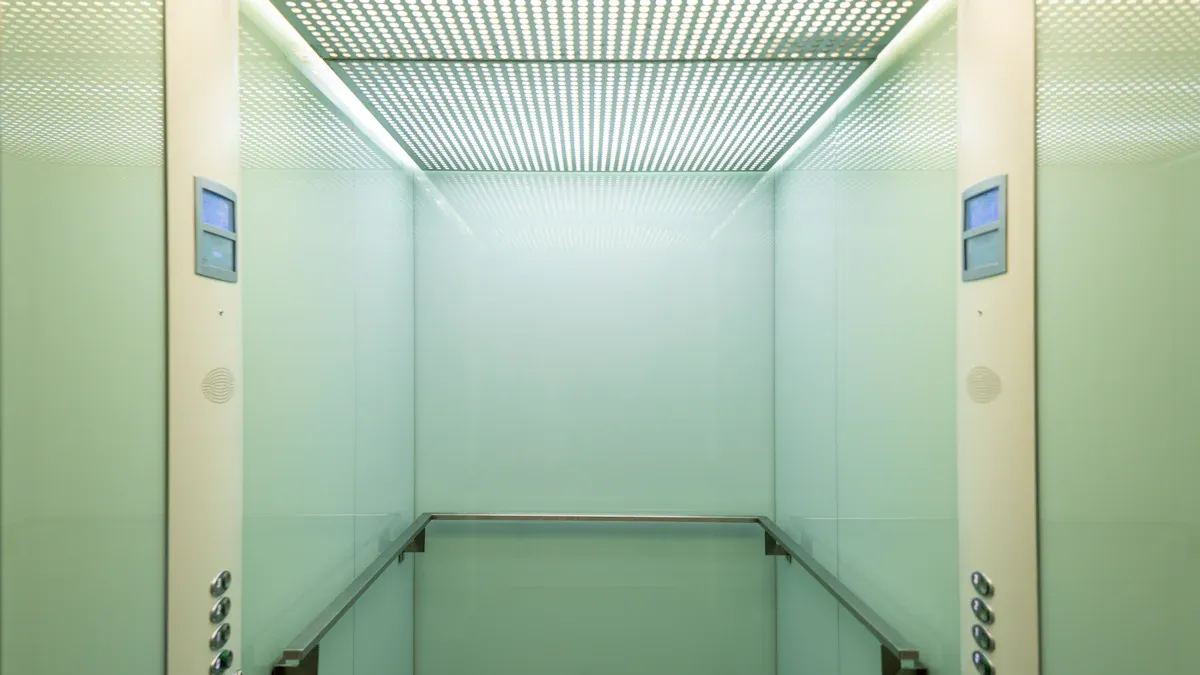
Elevators are small spaces where unspoken rules govern behavior. People instinctively follow these rules, even without formal instruction. For instance, passengers often face the door, avoiding eye contact with others. They step aside to let others exit first and press buttons with a quiet sense of duty.
Silence is another unwritten rule. Conversations, if they happen, are kept brief and polite. A sneeze might prompt a soft “bless you,” but most riders prefer to keep interactions minimal. These habits create a sense of order in what could otherwise feel like a chaotic, confined space.
Fun Fact: Studies show that people tend to stand as far apart as possible in elevators, mimicking personal space norms from larger environments.
Cultural Observations in Elevator Behavior
Elevator etiquette varies across cultures, offering fascinating insights into societal norms. In Japan, passengers often bow slightly when entering or exiting, showing respect for others. In contrast, Americans might strike up small talk, especially in less crowded settings.
In some countries, pressing the “close door” button is seen as impatient, while in others, it’s considered efficient. These subtle differences reveal how cultural values influence behavior, even in shared spaces. Observing these habits can feel like a mini anthropology lesson during a simple ride.
Building Community Through Elevator Rides
Elevators can do more than transport people—they can build connections. Confined spaces encourage interaction, whether through a shared laugh or a quick exchange of pleasantries. Thoughtful design can amplify this effect.
- Engaging prompts, like trivia questions displayed on screens, spark conversations.
- Interesting facts or quotes on elevator walls create talking points.
- Friendly greetings from fellow passengers foster a sense of belonging.
These small moments can transform an ordinary ride into an opportunity to connect. Over time, regular riders might even form a sense of community, turning the elevator into a space where strangers become familiar faces.
Life Lessons from Elevator Experiences
Patience and Problem-Solving in Tight Spaces
Elevators are more than just a means of transportation; they are also classrooms for patience and problem-solving. Imagine being stuck in a confined space with strangers or even alone. The initial reaction might be panic, but these moments often teach valuable lessons about staying calm under pressure.
Modern technology has introduced innovative solutions to enhance elevator experiences, especially in challenging situations. Here’s a glimpse into how problem-solving has evolved in these tight spaces:
| Solution Category | Description |
|---|---|
| Biometric identification | Voice and facial recognition for elevator operation. |
| Mobile devices | Use of WeChat applets, mobile QR codes, IC cards, Bluetooth, and NFC for contactless operation. |
| Sensor technology | TOF sensor buttons and Gesture Recognition Elevator System for contactless calling of elevators. |
These advancements not only make elevators more efficient but also highlight the importance of adaptability and creative thinking. Whether it’s figuring out how to use a new system or staying composed during a technical glitch, elevators challenge individuals to think on their feet.
Tip: The next time you find yourself in an elevator, take a moment to appreciate the technology and the lessons it offers. You never know when you might need those problem-solving skills!
Elevators as a Metaphor for Life’s Ups and Downs
Life often feels like a ride in an elevator, full of ascents and descents. Each floor represents a different stage, from moments of triumph to periods of struggle. The unpredictability of an elevator ride mirrors the twists and turns of personal growth.
For instance, the sensation of a falling elevator can evoke a deep sense of fear and loss of control. This parallels the emotional turbulence people experience during significant life changes. Dreams about elevators often reflect these feelings:
- They symbolize the journey through various life experiences, reflecting both ascents and descents.
- Falling elevator dreams highlight anxieties or unresolved issues, representing a fear of failure.
- From a spiritual perspective, elevators signify the soul’s journey toward enlightenment, embodying transitions in consciousness.
Note: Just like in life, the key to navigating an elevator ride is trust—trust in the system, the people around you, and your ability to adapt to the unexpected.
The Value of Small Talk in Shared Spaces
Elevators, though small, are perfect spaces for big conversations—or at least small ones. A simple “Good morning” or a comment about the weather can break the silence and create a sense of connection. These brief exchanges remind us of the power of human interaction, even in fleeting moments.
Small talk in elevators serves several purposes:
- It lightens the mood, making the ride more pleasant for everyone.
- It fosters a sense of community, especially among regular riders.
- It can lead to unexpected opportunities, from networking to new friendships.
Fun Fact: Studies show that people who engage in small talk, even with strangers, report higher levels of happiness and well-being.
So, the next time you step into an elevator, consider striking up a conversation. You might just brighten someone’s day—or your own.
Elevators, though small and seemingly mundane, often become the backdrop for unforgettable moments. They hold the power to surprise, connect, and even unsettle. For instance, after a tragic elevator malfunction in Tokyo in 2006, urban legends like the Elevator Game emerged, reflecting collective fears and sparking new narratives.
Takeaway: Every ride offers a chance for a story. Step in, and let life surprise you.
FAQ
What should you do if you get stuck in an elevator?
Stay calm and press the emergency button. Use the intercom to contact building staff. Avoid prying the doors open. Wait for professional help to arrive.
Suggested Image: A cartoon of a calm person pressing the emergency button inside an elevator.
Why do elevators sometimes skip floors?
Elevators skip floors when they operate in “express mode” or when a floor button isn’t pressed. This helps save time during peak hours or long-distance rides.
Suggested Image: A diagram of an elevator panel with some floors unlit, indicating skipped stops.
How do elevators know when to stop?
Sensors detect the elevator’s position and speed. These sensors communicate with the control system, ensuring precise stops at each floor for passenger safety and convenience.
Suggested Image: A simplified infographic showing an elevator’s sensor system and control panel.
Post time: Jun-09-2025