Elevators play a critical role in enhancing accessibility in real estate. Currently, 25% of new home builds include elevators to improve access for all residents. The inclusion of elevators significantly boosts property value, making homes more appealing to buyers who prioritize accessibility. Developers must address the needs of diverse populations, particularly the aging demographic, to remain competitive in the evolving elevator market.
Key Takeaways
- Elevators enhance accessibility in homes, making them more appealing to buyers and increasing property value.
- Energy-efficient elevators can save $3,000 to $8,000 annually, reducing operational costs and boosting property valuation.
- Smart technology in elevators improves user experience and hygiene, catering to diverse needs, including those of individuals with disabilities.
Current Market Trends in Elevators
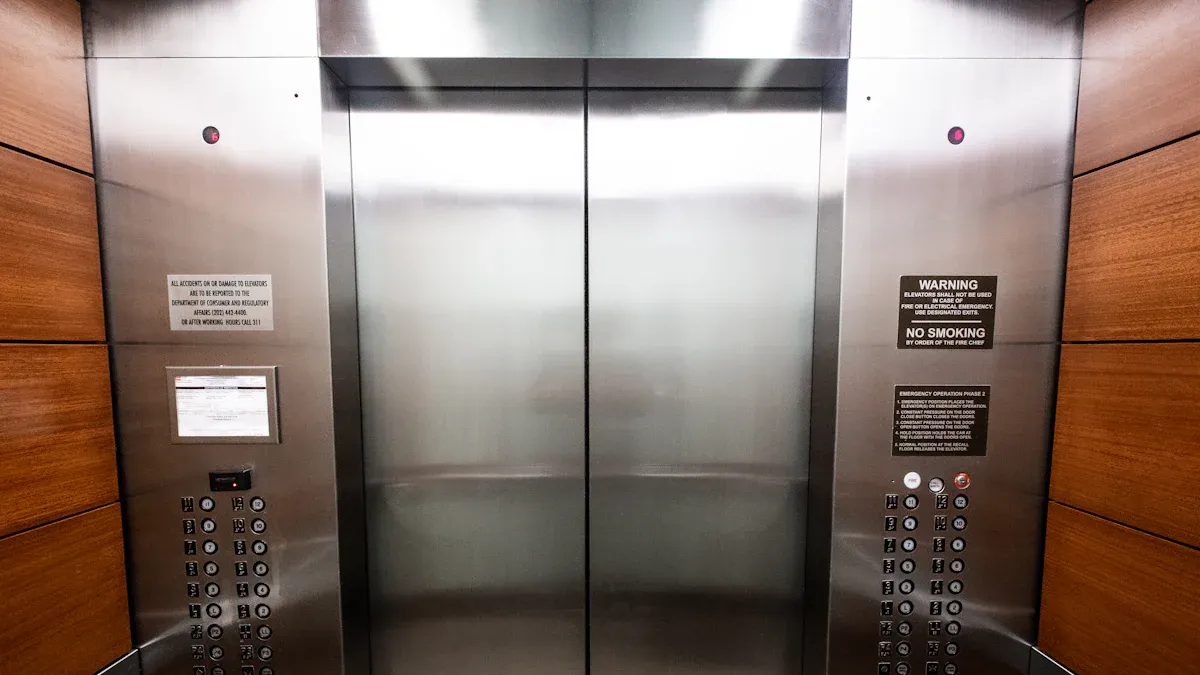
Energy Efficiency Innovations
The elevator market is witnessing significant advancements in energy efficiency. Modern elevators now incorporate various technologies that reduce energy consumption while maintaining high performance. Key innovations include:
- Energy-efficient elevators consume less power and generate minimal heat.
- Regenerative drives capture and store energy during descent for use during ascent. This technology converts braking energy into electricity, feeding it back into the building’s grid, which can reduce energy consumption by up to 30%.
- LED lighting and energy-saving standby modes further contribute to a reduced carbon footprint.
These innovations not only lower operational costs but also enhance property value. A recent study indicates that energy-efficient elevators can lead to annual savings of $3,000 to $8,000 per unit. Additionally, they can reduce operating expenses by 15-25%, offering a return on investment within three to five years. Properties equipped with these systems often see an increase in valuation by 5-15% and improved tenant retention rates of up to 20%.
Smart Technology Integration
The integration of smart technology into elevator systems is transforming user experience and accessibility. Modern elevators now feature:
- Smart sensors that track performance metrics and analyze building traffic.
- Real-time data streaming for monitoring elevator usage and performance.
- Predictive alerts for maintenance needs, ensuring timely service and reducing downtime.
These advancements enhance efficiency and user satisfaction. For instance, touchless and voice-activated controls allow users to call elevators without physical contact, which is particularly beneficial in maintaining hygiene.
| Technology Type | Description |
|---|---|
| Smart Sensors | Analyze building traffic and predict peak usage times, enhancing efficiency and reducing downtime. |
| Touchless and Voice-Activated Controls | Allow users to call elevators using voice commands or apps, minimizing contact points for hygiene. |
| Data-Driven Maintenance | Collect performance data for optimized maintenance schedules and proactive issue detection. |
Moreover, features like Braille buttons and gesture controls improve accessibility for individuals with disabilities. These enhancements not only cater to diverse user needs but also align with the growing demand for smart building solutions in the elevator market.
Government Regulations and Accessibility Standards
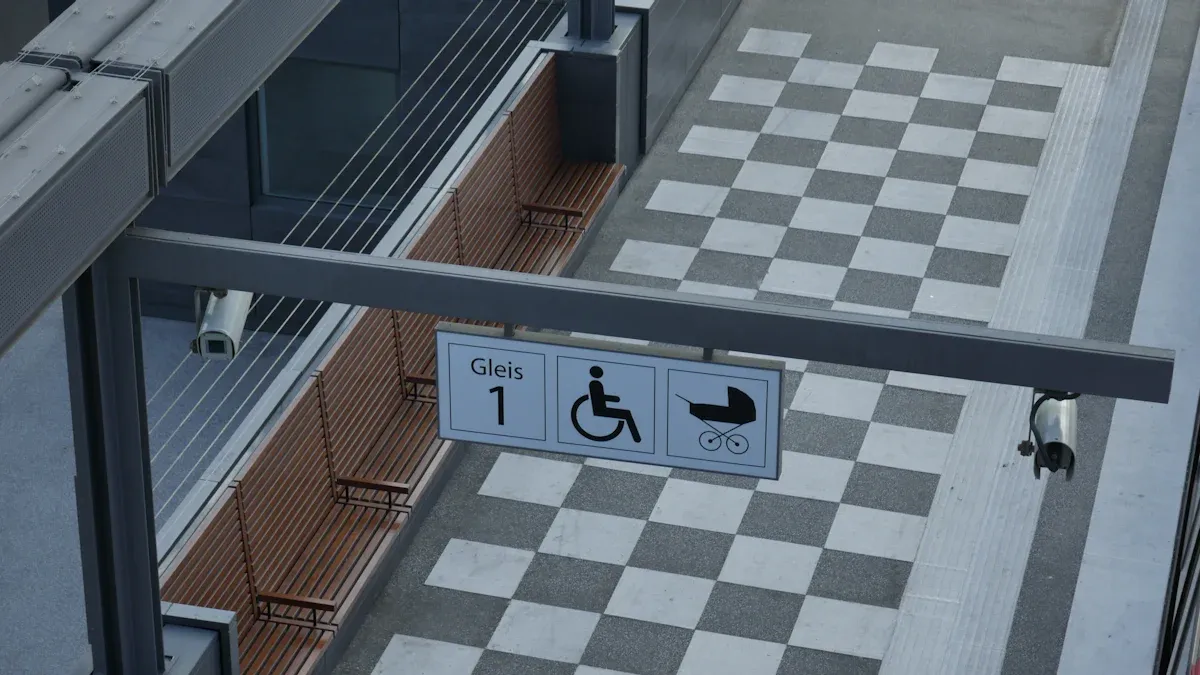
Overview of Accessibility Laws
Government regulations play a crucial role in ensuring that elevators meet accessibility standards. In the United States, the ADA Accessibility Standards mandate that platform lifts must operate independently, allowing users to enter and exit without assistance. Portable lifts do not comply with these standards. Additionally, the ASME A18.1 Safety Standard governs the design and maintenance of platform lifts and stairway chairlifts, ensuring safety for individuals with disabilities. Compliance with the 1999 or 2003 editions is essential under ADA regulations.
| Regulation/Standard | Description |
|---|---|
| ADA Accessibility Standards | Require platform lifts to be independently operable, prohibiting attendant operation. Portable lifts do not satisfy ADA standards. |
| ASME A18.1 Safety Standard | Covers design, construction, installation, and maintenance of platform lifts, ensuring safety for persons with disabilities. |
Compliance Challenges for Developers
Developers often face significant challenges when ensuring compliance with accessibility laws. Common mistakes include inadequate signage for accessible entrances and elevators, neglecting elevator maintenance, and insufficient dimensions for wheelchair access. The Americans with Disabilities Act (ADA) outlines specific requirements for elevators, including minimum car sizes, reach ranges for buttons, and visual and auditory indicators.
Ignoring these requirements can lead to failed inspections, occupancy delays, and legal penalties. Key provisions for compliance include:
- Button Placement and Readability: Buttons must be accessible and include braille.
- Auditory and Visual Indicators: Must support users with visual or hearing impairments.
- Emergency Communication: Should allow for hands-free use and visual confirmation.
By understanding these regulations, developers can better navigate the complexities of the elevator market and enhance accessibility in their projects.
The Demand for Residential Elevators
Aging Population Needs
The demand for residential elevators is surging, primarily driven by the aging population. As more seniors choose to age in place, the need for home modifications that enhance mobility becomes essential. Elevators provide a practical solution, allowing individuals to navigate multi-story homes with ease.
Statistics reveal a significant demographic shift: the percentage of the population over 65 is projected to rise from 13% in 2000 to 20% by 2030. This trend indicates a growing market for residential elevators, as many seniors prefer to remain in their homes rather than transition to assisted living facilities. Elevators are no longer viewed as luxury items; they have become necessities for enhancing accessibility and ensuring safety in residential settings.
The residential elevator market was valued at USD 6.6 billion in 2024 and is expected to reach USD 10.6 billion by 2032, growing at a compound annual growth rate (CAGR) of 6.1% from 2026 to 2032. Factors contributing to this growth include increased luxury home construction and advancements in elevator technology.
Customization and Design Trends
Customization plays a pivotal role in the evolving landscape of residential elevators. Homeowners now seek elevators that reflect their personal style while meeting functional needs. Here are some notable trends in elevator customization:
- Essential for Accessibility: Custom designs cater to the specific needs of aging homeowners, ensuring ease of use.
- IoT Connectivity: Smart home integration allows for seamless operation and enhanced user experience.
- Luxury Options: Homeowners can choose from a variety of finishes and materials, including glass elevators that offer a modern aesthetic.
The customization options available today are extensive. Homeowners can select from various interior panels, metal finishes, and lighting styles. For instance, custom wood designs and brushed stainless steel finishes are popular choices. Additionally, features like touchless controls and voice-activated commands enhance convenience and hygiene.
| Customization Category | Options Available |
|---|---|
| Interior Panels | Custom wood designs in various species and finishes |
| Metal Finishes | Brushed Stainless Steel, Polished Brass, Vintage Bronze |
| Lighting | Recessed LED lights with trim |
| Cab Styles | Multiple styles, including luxurious and modern aesthetics |
As the elevator market continues to expand, the focus on sustainability is also gaining traction. Homeowners increasingly prefer elevators that utilize sustainable materials and energy-efficient systems. This trend not only reduces carbon footprints but also aligns with the growing demand for environmentally responsible home features.
Safety Regulations Impacting Elevator Design
Modern Safety Features
Modern elevators now incorporate several advanced safety features that enhance passenger protection. These features include:
| Safety Feature | Description |
|---|---|
| Emergency Braking System | Automatically activates if the elevator descends too quickly, preventing free falls. |
| Advanced Door Sensors | Utilize infrared beams or pressure detection to prevent doors from closing on objects or people. |
| Emergency Communication Systems | Two-way intercoms or phone lines connect passengers to help if the elevator becomes stuck. |
| Firefighter Operation Modes | Allow first responders to take manual control during emergencies, ensuring safe evacuation. |
| Backup Power Systems | Battery-powered emergency lights and controls maintain safety during power outages. |
| Regular Inspections and Maintenance | Ensure elevators meet safety regulations and identify potential issues before they become hazards. |
These features significantly reduce accident rates in both residential and commercial buildings. For instance, reliable door sensors and emergency alarms provide immediate alerts during emergencies, enhancing overall safety.
Impact of Safety Regulations on Market Trends
Safety regulations have profoundly influenced the elevator market. Compliance with stringent safety standards has created a demand for advanced safety systems. Key impacts include:
- Increased costs and complexity in manufacturing and maintaining safety systems.
- The necessity for companies to navigate varying regional regulations, adding challenges for global operations.
- A growing market for elevator safety systems due to heightened regulatory stringency around urban mobility safety.
The global elevator safety system market continues to expand as manufacturers integrate advanced technologies to meet these requirements. Compliance with safety regulations drives innovation, impacting competitive strategies within the elevator market.
The Elevator Market Growth Projections
Trends in Urban Development
Urbanization significantly drives the demand for elevators in new construction projects. As cities expand, developers increasingly construct high-rise buildings to accommodate growing populations. This trend creates a pressing need for efficient vertical transportation systems. Key factors influencing this demand include:
- Rapid urbanization leads to increased population density in metropolitan areas.
- High-rise buildings require elevators for effective movement between floors.
- The rise of smart cities and mega-projects necessitates modern elevator systems.
The global construction elevator market is projected to reach USD 5.25 billion by 2024, reflecting the growing need for elevators in urban settings. This growth aligns with the overall elevator market, which is expected to expand significantly over the next five years.
The Rise of Multifamily Construction
The multifamily construction sector is experiencing a notable surge, further propelling the elevator market. Developers recognize the value of incorporating elevators into new residential projects. This trend is driven by several factors:
- The aging population increasingly seeks accessible living options.
- Young professionals favor urban living, often in multifamily units.
- Developers aim to enhance property value by including modern amenities like elevators.
The global elevator market is anticipated to grow from USD 93.57 billion in 2024 to USD 119.16 billion by 2035, reflecting a compound annual growth rate (CAGR) of 7.80%. This growth is fueled by urbanization, technological advancements, and the demand for energy-efficient solutions.
Elevators play a vital role in enhancing accessibility in real estate. They ensure inclusivity for individuals with disabilities and elevate property value by aligning with the demand for luxurious amenities. As the elevator market continues to evolve, developers should prioritize accessibility features in their projects.
- Step-free entrances improve convenience for all.
- Wider doorways facilitate movement for those using mobility aids.
- Smart home technology enhances independence for residents with disabilities.
By focusing on these elements, developers can create spaces that cater to diverse populations and increase property desirability.
FAQ
What are the benefits of installing elevators in residential buildings?
Elevators enhance accessibility, increase property value, and cater to diverse populations, especially seniors and individuals with disabilities.
How do energy-efficient elevators impact operational costs?
Energy-efficient elevators reduce energy consumption, leading to significant savings on operational costs and enhancing overall property value.
What safety features should modern elevators include?
Modern elevators should include emergency braking systems, advanced door sensors, and reliable communication systems to ensure passenger safety.
Post time: Oct-11-2025