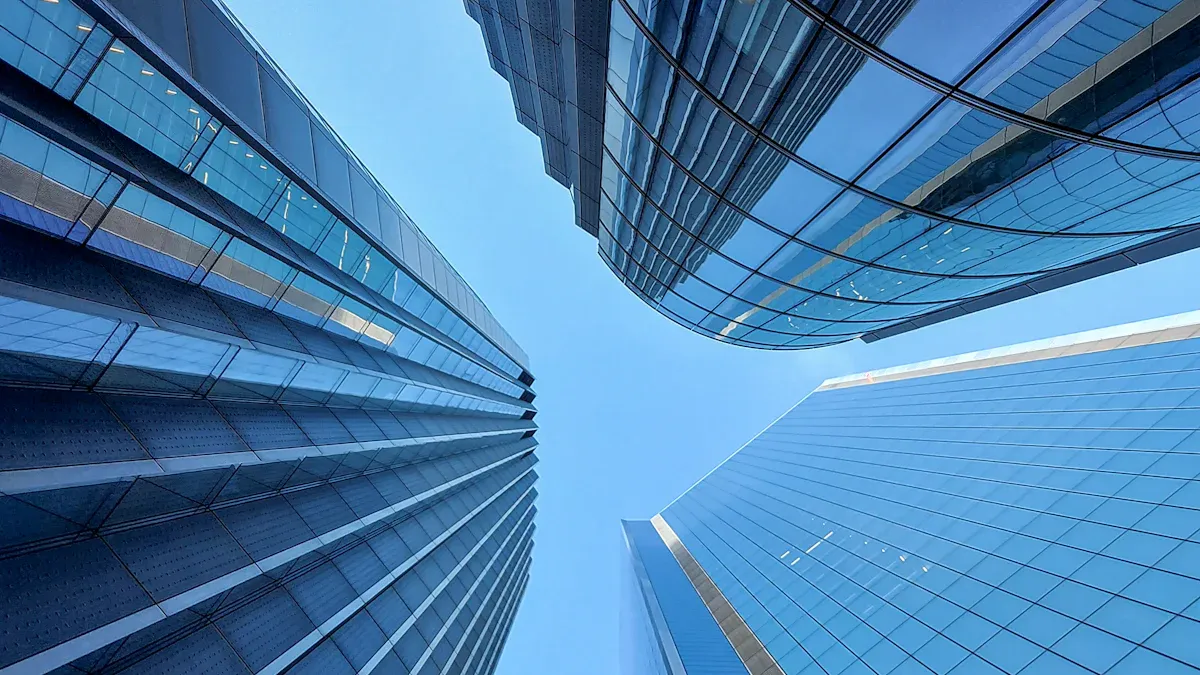
Urbanization has reshaped how cities grow, and elevators play a pivotal role in this transformation. Vertical mobility allows cities to expand upward, accommodating more people in limited spaces. The global elevator market, valued at $93 billion in 2023, is projected to reach $142 billion by 2032, driven by increasing demand for efficient urban transportation.
Key Takeaways
- Elevators help cities grow upward, saving space for more people.
- New elevators save energy with smart systems, using 70% less power.
- Features in elevators help everyone, including disabled people, move easily.
Elevators and Urban Development
Historical role of elevators in city growth
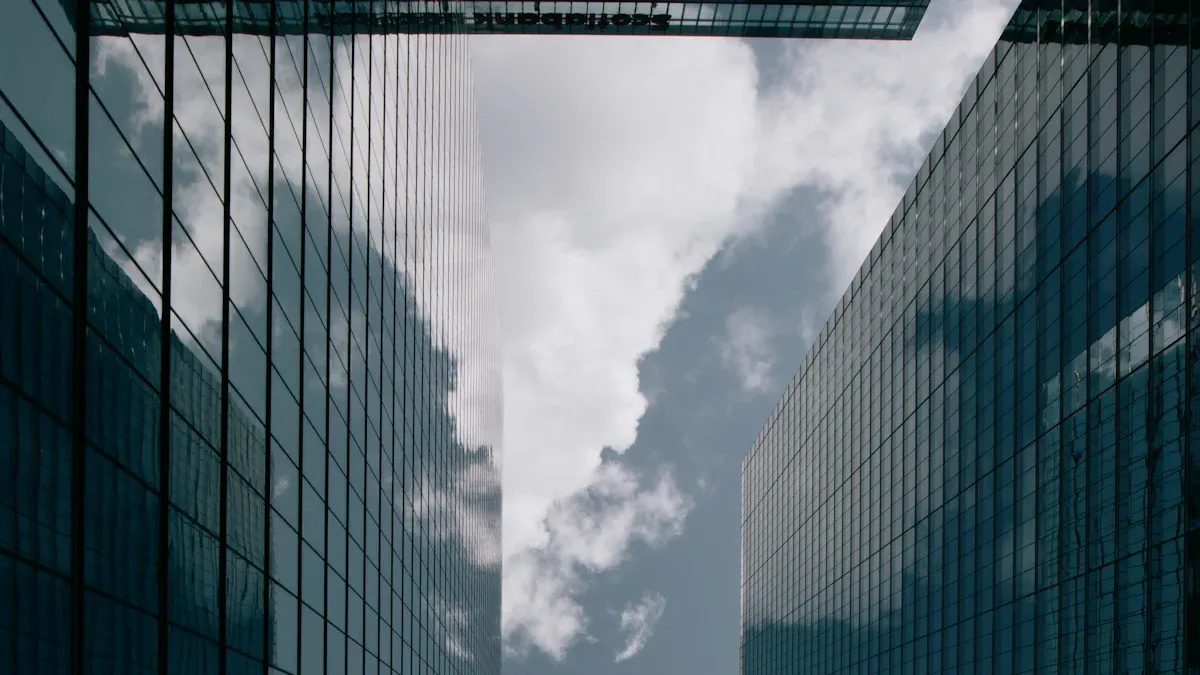
The invention of elevators revolutionized urban development. During the industrial revolution, high-speed elevators emerged as a game-changer. They enabled the construction of taller buildings, which became a hallmark of twentieth-century cities.
- High-rise structures allowed cities to accommodate growing populations without expanding horizontally.
- Architectural movements, such as modernism, embraced verticality, blending functionality with aesthetics.
- Technological advancements in elevator systems supported the rapid urbanization of major metropolitan areas.
Without elevators, the iconic skylines of cities like New York and Chicago would not exist. They symbolize progress and innovation, shaping how we perceive urban spaces.
Elevators as enablers of high-rise architecture
Elevators are the backbone of high-rise architecture. I see them as the silent heroes that make skyscrapers possible. Architects rely on elevators to connect multiple floors seamlessly, ensuring functionality and convenience.
The integration of elevators into building designs has led to iconic structures like the Burj Khalifa and Taipei 101. These marvels showcase how elevators push the boundaries of engineering. By enabling vertical mobility, they redefine what cities can achieve in terms of space utilization and design.
Addressing urban density with vertical expansion
Urban density poses significant challenges, but elevators offer a practical solution. High-rise living reduces energy consumption compared to suburban homes. Compact apartments in urban towers require less heating and cooling, making them more sustainable.
- Suburban homes often consume more energy due to larger spaces and reliance on cars for commuting.
- High-density developments, like those in Woodlands East, integrate amenities within a small footprint, promoting efficient land use.
Elevators play a critical role in these developments. They connect residents to shared spaces, services, and transportation hubs, creating a cohesive urban environment.
Technological Innovations in Elevators
Energy-efficient and eco-friendly elevator systems
Energy efficiency has become a cornerstone of modern elevator design. Elevators and escalators account for 2 to 5 percent of a building’s energy use, with peaks reaching up to 50 percent during high-demand periods. However, advancements in technology now allow for significant energy savings. For instance, regenerative drives capture energy generated during descent and feed it back into the grid, reducing energy consumption by up to 70%. Similarly, energy-efficient motors and smart controls optimize operations, cutting energy use by as much as 40% when elevators are idle.
The industry has also embraced sustainable materials. Eco-friendly cabins use recycled components, while LED lighting reduces energy costs and maintenance needs. These innovations align with green building standards, helping developers achieve certifications like LEED. Urban renewal projects often retrofit older buildings with these technologies, enhancing sustainability and efficiency.
Smart elevators and their role in urban mobility
Smart elevators are transforming urban mobility by integrating advanced technologies like IoT sensors. These sensors enable real-time data collection, which improves maintenance practices and operational efficiency. For example, predictive maintenance reduces downtime by addressing issues before they escalate. This ensures seamless vertical transportation in high-rise buildings, alleviating congestion and improving user experience.
As urban populations grow, the demand for efficient vertical mobility increases. Smart elevators address this by optimizing traffic flow and reducing wait times. They also integrate with building management systems, creating a cohesive urban environment that supports the needs of modern cities.
Innovations enhancing safety and accessibility
Safety and accessibility remain top priorities in elevator design. Modern systems incorporate advanced suspension technologies, such as flat, steel-reinforced belts, which enhance both efficiency and safety. Standards like the ASME A17.7-2007 mandate rigorous third-party certification for new designs, ensuring compliance with safety regulations.
Accessibility features have also improved significantly. Voice-activated controls, braille panels, and wide doors accommodate users with disabilities, promoting inclusivity. These innovations not only meet regulatory requirements but also enhance the overall user experience, making elevators more functional and user-friendly.
Elevators and Sustainable Urban Living
Reducing energy consumption in urban buildings
Energy-efficient elevators significantly reduce the energy demand of urban buildings. Studies show that elevator systems account for 5–15% of a building’s total energy use. By adopting advanced technologies like energy regenerative drives, buildings can achieve up to a 36% reduction in energy consumption. These systems capture energy during elevator descent and reuse it, minimizing waste. Optimized elevator configurations, determined through traffic simulations, further enhance efficiency while maintaining service quality.
Modernization of older systems also plays a vital role. Companies like TK Elevator provide solutions that align with stringent energy standards. Their Environmental Product Declarations (EPDs) and Life Cycle Assessments ensure transparency in environmental performance. These efforts contribute to green building certifications such as LEED and BREEAM, making urban buildings more sustainable.
Supporting sustainable and inclusive urbanization
Elevators are essential for creating sustainable and inclusive urban spaces. High-rise developments rely on elevators to connect residents to amenities and services efficiently. By reducing the need for horizontal expansion, vertical growth preserves green spaces and promotes compact urban planning. This approach supports sustainable urbanization by minimizing land use and infrastructure costs.
Inclusivity is another critical aspect. Modern elevators incorporate features like voice-activated controls and braille panels, ensuring accessibility for all. These innovations foster equitable urban environments where individuals with disabilities can navigate buildings independently. Elevators, therefore, serve as tools for both environmental and social sustainability.
Economic benefits for developers and city planners
Elevator installations offer substantial economic advantages. Advanced systems lower operating costs by reducing energy consumption and maintenance needs, leading to significant savings on utility bills. Properties equipped with modern elevators often experience increased market value, as they are perceived as sustainable and technologically advanced. This appeal attracts tenants, resulting in higher occupancy rates and rental income.
For city planners, efficient elevators enhance urban mobility and reduce congestion in high-density areas. By supporting vertical expansion, they optimize land use and infrastructure investments. These financial and operational benefits make elevators a cornerstone of modern urban development strategies.
Elevators and Quality of Life in Cities
Enhancing mobility and accessibility for all
I believe elevators have transformed urban mobility by making vertical transportation effortless. They provide a lifeline for people who face mobility challenges, such as the elderly or individuals with disabilities. Without elevators, navigating multi-story buildings would be nearly impossible for many. Modern designs include features like wide doors, low control panels, and voice-activated systems. These innovations ensure that everyone, regardless of physical ability, can move freely within urban spaces.
Elevators also reduce travel time within buildings. In high-rise offices or residential towers, they eliminate the need for long stair climbs. This efficiency improves daily routines, allowing people to focus on more important tasks. By enhancing accessibility and saving time, elevators contribute significantly to urban quality of life.
Elevators as tools for inclusive urban design
Inclusive urban design prioritizes accessibility for all, and elevators play a central role in achieving this goal. I see them as more than just machines; they are enablers of equity. Buildings equipped with elevators ensure that everyone can access essential services, from healthcare facilities to educational institutions. This inclusivity fosters a sense of belonging and independence among city residents.
Urban planners often integrate elevators into public infrastructure, such as subway stations and pedestrian bridges. These installations bridge gaps in mobility, connecting people to opportunities and resources. By supporting inclusive design, elevators help create cities that cater to diverse needs.
Their impact on urban aesthetics and functionality
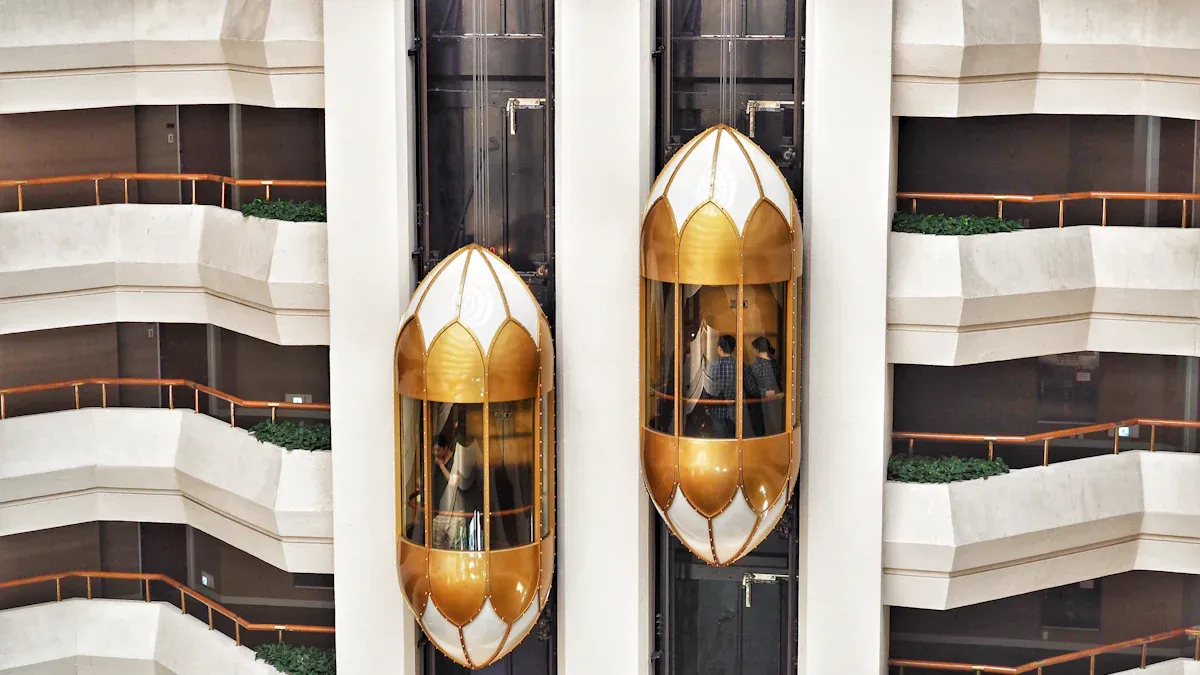
Elevators influence not only how cities function but also how they look. Glass elevators, for example, add a modern touch to building exteriors while offering panoramic views of the city. I find that these designs enhance both aesthetics and user experience. They transform elevators from purely functional elements into architectural highlights.
Functionality remains a priority. Elevators optimize space usage in high-density areas, allowing architects to design compact yet efficient buildings. By balancing form and function, elevators contribute to the visual appeal and practicality of urban environments.
Elevators have redefined urban living by enabling vertical expansion and improving accessibility. Continued innovation will shape their future impact. Emerging technologies like IoT and AI optimize energy use and enhance user experiences.
- Future elevators will integrate with cloud systems, improving urban mobility.
- Regenerative drives and IGBT technology will further reduce energy consumption.
These advancements promise sustainable, efficient, and inclusive urban environments.
FAQ
What are the main benefits of elevators in urban spaces?
Elevators improve accessibility, save time, and enable vertical expansion. They also enhance sustainability by reducing energy consumption in high-density buildings.
How do smart elevators optimize urban mobility?
Smart elevators use IoT sensors to reduce wait times and improve traffic flow. They integrate with building systems, ensuring seamless vertical transportation.
Are elevators environmentally friendly?
Modern elevators use energy-efficient motors and regenerative drives. These technologies reduce energy consumption and align with green building standards like LEED certifications.
Post time: Apr-18-2025