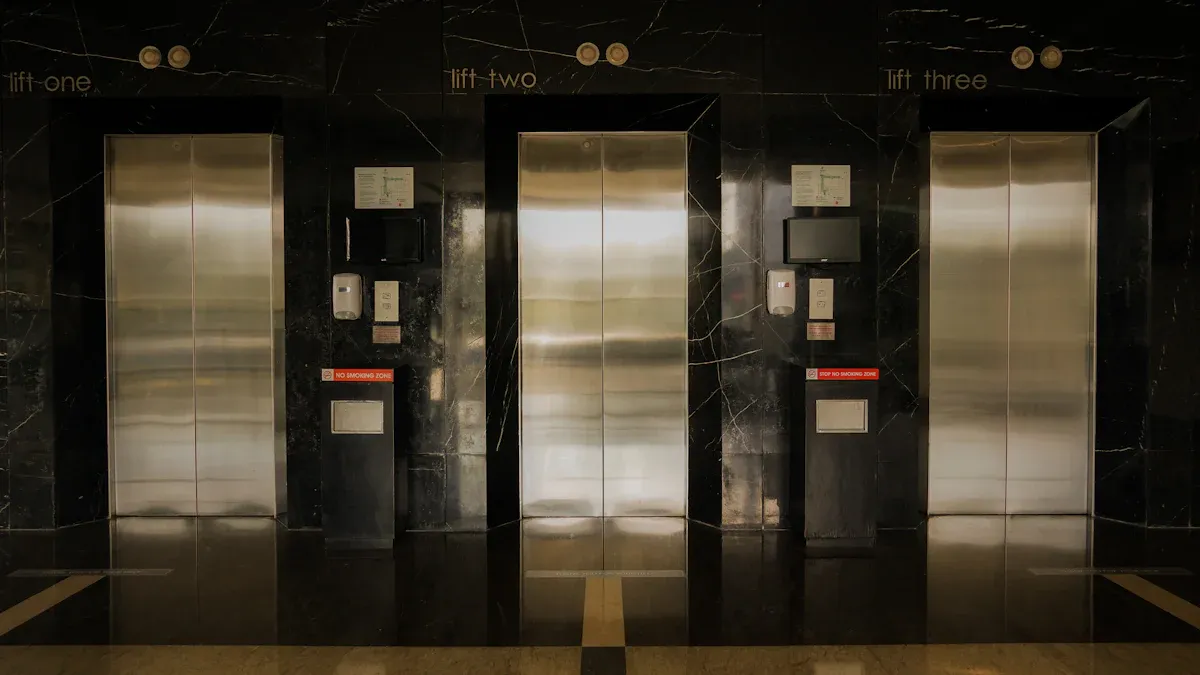
When I think about transforming a space, Blue Fuji Elevator solutions come to mind. They not only enhance functionality but also bring a modern touch to any environment. Investing in these elevators now will definitely set the stage for a successful start in 2026.
Key Takeaways
- Blue Fuji Elevators optimize space by fitting into tight areas, making them ideal for urban living. This flexibility allows for creative layouts in homes and offices.
- The modern design of Blue Fuji Elevators enhances aesthetics with stylish interiors and glass walls, turning elevators into functional art pieces that elevate any space.
- Energy efficiency is a key feature, with Blue Fuji Elevators using advanced technology to reduce energy consumption by over 30%, making them a sustainable choice for any building.
Benefits of Blue Fuji Elevators
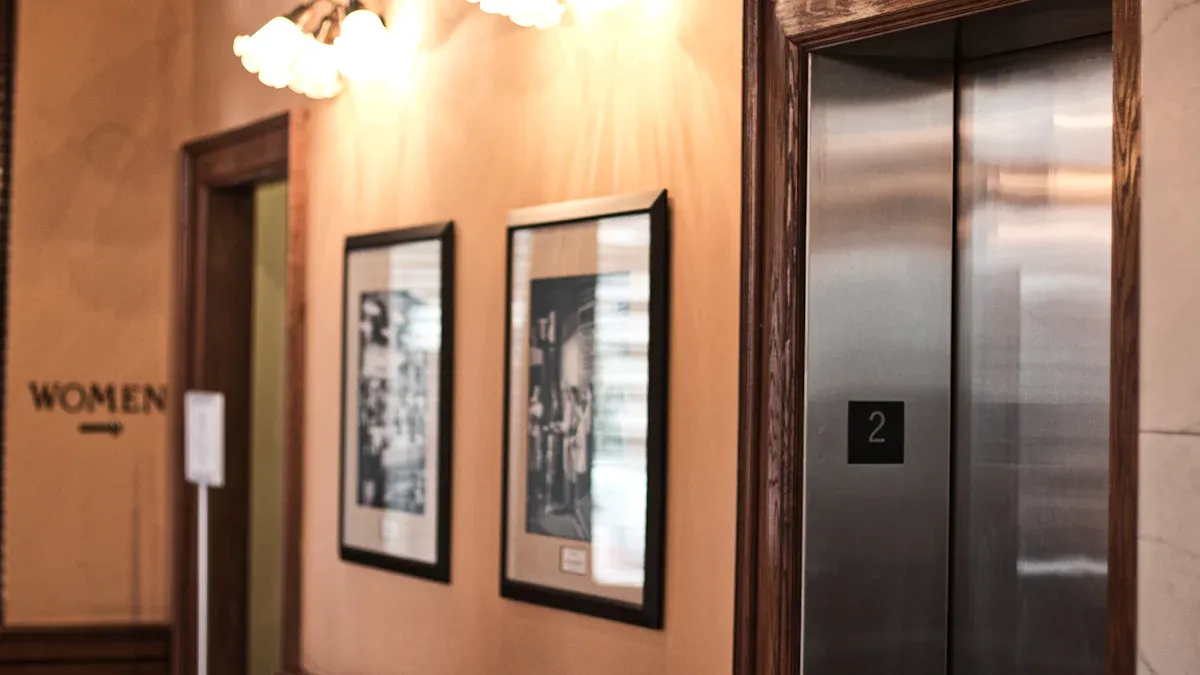
When I think about the benefits of Blue Fuji Elevators, three key aspects stand out: space optimization, modern design, and energy efficiency. Let’s dive into each of these benefits.
Space Optimization
One of the first things I noticed about Blue Fuji Elevators is how they optimize space. Unlike traditional staircases, these elevators require significantly less room. This makes them perfect for modern urban living environments where every square foot counts. Imagine being able to fit an elevator in a tight corner of your home or office without sacrificing valuable space.
- They can be installed in areas where stairs simply won’t fit.
- This flexibility allows for more creative layouts in both residential and commercial settings.
Modern Design
The modern design of Blue Fuji Elevators truly enhances any space. I’ve seen firsthand how their elegant and generous aesthetics can elevate the look of both high-end residential areas and sleek business buildings.
- Many customers rave about the stylish cabin interiors and advanced lighting systems that create a sophisticated ambiance.
- The observation elevators, with their glass walls, offer a stunning view while adding a touch of luxury.
These design features not only serve a functional purpose but also contribute to the overall aesthetic of the building. It’s like having a piece of art that you can use every day!
Energy Efficiency
Energy efficiency is another standout feature of Blue Fuji Elevators. They achieve impressive ratings compared to industry standards. In fact, they boast a rating of 4.5 out of 5 for energy efficiency.
| Energy Efficiency | Rating |
|---|---|
| Blue Fuji Elevators | 4.5/5 |
What’s even more exciting is the technology behind their energy-saving capabilities.
- The Energy Feedback Device converts kinetic and potential energy from the elevator’s operation into electrical energy, which can be fed back into the grid.
- Additionally, the Digital Inverter Technology enhances system efficiency, reducing energy consumption by over 30% compared to conventional systems.
With these innovations, I feel good knowing that I’m making a sustainable choice while enjoying the convenience of an elevator.
Customization Options
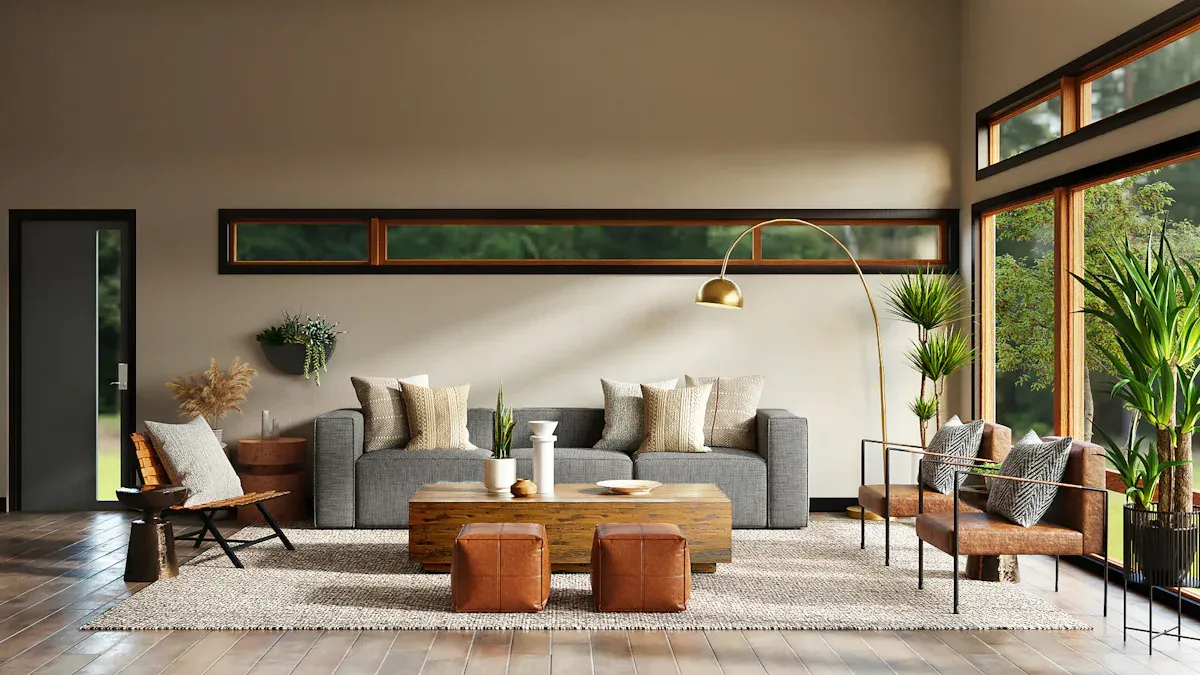
When it comes to customizing Blue Fuji Elevators, the options are nearly endless. I love how these elevators can be tailored to fit different architectural styles and personal preferences. Let’s explore some of the exciting customization options available.
Design Variations
One of the most appealing aspects of Blue Fuji Elevators is the variety of design options. You can truly make your elevator a reflection of your style. Here are some popular choices:
- Custom and Thematic Designs: Whether you want a vintage train car look or a futuristic spaceship vibe, there’s a design for you.
- Material Choices: You can select materials that match your home’s architecture. Options include brushed aluminum or glass for modern homes, and warm wood finishes for traditional designs.
- Cab Interiors: Homeowners can choose cab wall panels, lighting, and flooring that align with their home’s theme. This personalization adds a unique touch to your space.
The flexibility in design allows for a seamless integration of the elevator into your existing décor. I’ve seen how a well-designed elevator can become a focal point in a room, enhancing the overall aesthetic.
Feature Enhancements
Feature enhancements can significantly improve the functionality and user experience of Blue Fuji Elevators. Here are some enhancements that I find particularly beneficial:
- Noise Reduction Technology: This feature minimizes sounds during rides, making the experience more comfortable.
- Touchless Controls: These controls reduce contact, which is especially important in shared spaces. It’s a hygienic option that I appreciate.
- Smart Technology Integration: This allows for customization of user experiences, including automatic adjustments to speed and lighting.
- Improved Accessibility Options: These features ensure that elevators accommodate all users, including those with disabilities and heavy loads.
The enhancements not only make the elevator more enjoyable to use but also contribute to safety and reliability. For instance, advanced sensor technologies enhance safety through precise monitoring and control. Regular inspections and upgraded components ensure compliance with safety standards and improve energy efficiency.
Here’s a quick look at how customization impacts functionality:
| Customization Aspect | Description |
|---|---|
| Tailored Designs | Meet specific user needs and architectural requirements. |
| User Experience | Enhanced functionality leads to improved user experience. |
| Safety | Custom features can enhance safety measures in elevators. |
| Operational Efficiency | Tailored designs can improve the overall operational efficiency of the elevators. |
With all these options, I feel confident that Blue Fuji Elevators can meet the unique needs of any space.
Installation Process
Installing a Blue Fuji Elevator is an exciting journey that transforms your space. I’ve learned that the process involves several key stages, starting with a thorough pre-installation assessment.
Pre-Installation Assessment
Before anything else, I recommend conducting a pre-installation assessment. This step ensures that the location is suitable for the elevator. It’s crucial to consider factors like space, stability, and safety. A professional team will evaluate the site to confirm that everything meets the necessary requirements.
Installation Steps
The installation process itself is quite systematic. Here’s how it typically unfolds:
- Preparation: The team assembles the car frame on the ground and hoists it to the predetermined position in the hoistway. They ensure it’s temporarily fixed and precisely positioned.
- Hoisting: Next, they install the car and door operator system, focusing on strength and precision. Anti-collision strips and fixing points are also put in place.
- System Commissioning: After that, they conduct no-load, half-load, and full-load testing. This verifies operational stability, speed, and braking effectiveness.
- Final Acceptance: Finally, the team completes a self-inspection, compiles installation records, and obtains a registration certificate before the elevator goes into operation.
Post-Installation Support
Once the installation is complete, Blue Fuji Elevators offers robust post-installation support. This includes maintenance packages to ensure long-term performance and safety. They also guarantee compliance with international safety standards.
Here’s a quick look at how post-installation support impacts customer satisfaction:
| Aspect of Support | Impact on Customer Satisfaction |
|---|---|
| Timely Assistance | Ensures quick resolution of issues, enhancing reliability |
| Comprehensive Training | Improves technical proficiency of maintenance teams |
| Robust After-Sales Service Network | Provides ongoing support, reinforcing customer trust |
With 24/7 technical support and tailored training programs, I feel confident knowing that help is always available when needed.
Case Studies
Residential Success Stories
I’ve seen some amazing transformations in residential spaces thanks to Blue Fuji Elevators. One standout example is a family home in San Francisco. They installed a sleek, glass elevator that not only improved accessibility for their elderly parents but also became a stunning centerpiece in their living room. Guests often comment on how it adds a touch of elegance to the home.
- Accessibility: The elevator made it easier for family members to move between floors.
- Aesthetic Appeal: It enhanced the overall look of the home, blending style with function.
Commercial Transformations
Commercial spaces have also benefited greatly from Blue Fuji Elevators. For instance, the public library in downtown Boston features a glass stair elevator. This installation enhances accessibility for individuals with mobility challenges while adding aesthetic value to the building.
- Inclusivity: The elevator promotes ease of access for all visitors.
- Community Engagement: A cultural center in Copenhagen integrated stair elevators to connect multi-level exhibition spaces, making it easier for everyone to enjoy the exhibits.
In modern office settings, these elevators improve workspace accessibility for all employees, including those with disabilities. They also enhance operational efficiency and reduce waiting times, which boosts productivity.
- Market Growth: The global elevator market is projected to grow at a CAGR of 6.5% from 2021 to 2027, showing a rising demand for efficient vertical transportation systems.
- Seamless Experience: Enhanced communication protocols in elevator systems ensure a smooth experience for all users.
These case studies highlight how Blue Fuji Elevators can truly transform spaces, making them more functional and inviting.
Future Trends
As I look ahead, I see exciting trends shaping the future of Blue Fuji Elevators. Two key areas stand out: architectural innovations and sustainability in design.
Architectural Innovations
Innovations in architecture are influencing how we think about elevators. Here are some trends I find particularly fascinating:
- Panoramic Designs: These designs enhance building aesthetics and provide unobstructed views, making the elevator ride an experience in itself.
- Smart Technology Integration: Incorporating IoT and AI improves efficiency and user interaction, allowing for a more seamless experience.
- Unique Spatial Solutions: Inclined elevators are becoming popular, allowing architects to create innovative designs that were once thought impossible.
I’ve noticed that about 35% of new homes now come equipped with lifts. This shift reflects a growing trend toward accessibility in residential architecture. John Smith, an industry expert, emphasizes that internal lifts are now seen as essential for daily living, not just a luxury. It’s clear that careful design integration is crucial for both functionality and style.
Sustainability in Design
Sustainability is at the forefront of modern elevator design. Blue Fuji Elevators are leading the way with features that support environmental goals. For instance, they use advanced technologies like regenerative drives and smart controls. These systems optimize energy consumption by recovering energy during descent, which lowers overall energy expenditure.
Here’s a quick look at how different building types incorporate sustainability features:
| Building Type | Sustainability Features |
|---|---|
| Residential Homes | Energy-efficient design |
| Commercial Buildings | Recyclable materials used |
| Multi-family Units | Water-saving systems |
| Hotels | LEED-certified construction |
| Public Buildings | Solar power options |
By integrating eco-friendly materials and energy-efficient systems, Blue Fuji Elevators align with global sustainability initiatives. This commitment helps building projects achieve their environmental goals while enhancing user experience.
I’m excited to see how these trends will continue to evolve and shape our spaces in the coming years!
Blue Fuji Elevator solutions truly transform any space. They optimize space, enhance aesthetics, and promote sustainability. With features like automated parking systems, these elevators can reduce CO2 emissions by over 85%. As you plan for 2026, consider factors like lift capacity, design, and safety features to ensure your success.
FAQ
What is the average installation time for a Blue Fuji Elevator?
Typically, installation takes about 2 to 4 weeks, depending on the complexity of the project.
How do I maintain my Blue Fuji Elevator?
Regular maintenance checks every six months keep your elevator running smoothly and safely.
Can I customize the elevator’s features after installation?
Yes! Blue Fuji Elevators offer options for upgrades and enhancements even after installation.
Post time: Feb-27-2026