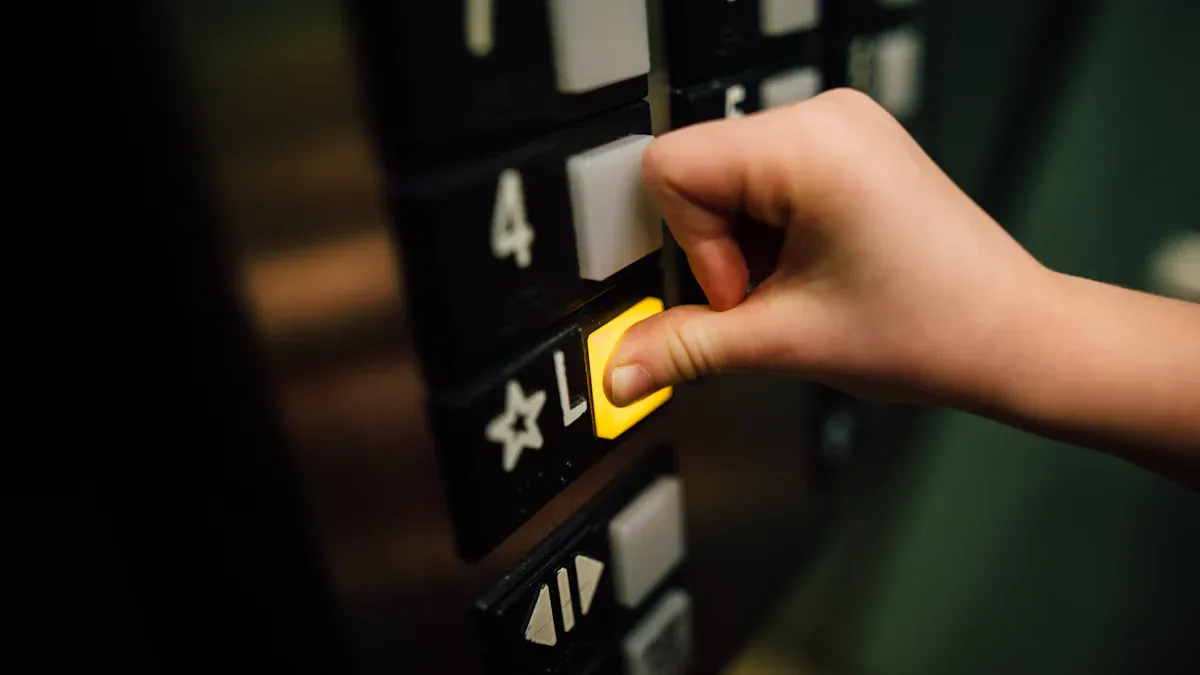
Scientific detection of passenger behavior transforms elevator safety. User actions account for 75% of incidents, according to the Technical Standards and Safety Authority in Ontario. This includes distractions or door interference. Advanced technology now actively identifies and mitigates these human risks in the elevator environment.
Key Takeaways
- Elevator safety greatly improves when technology watches how people act. This helps stop accidents caused by human mistakes.
- Special sensors and AI cameras in elevators can see what people are doing. This helps the elevator system make smart choices to keep everyone safe.
- These smart systems can stop bad things from happening and help faster in emergencies. They also make elevators work better for everyone.
Why Passenger Behavior is Critical for Elevator Safety in Elevators
Common Human Actions Leading to Elevator Incidents
Human actions significantly contribute to elevator incidents. Often, negligence in maintenance, such as failing to properly maintain a high-use system, leads to malfunctions. Inadequate training for onsite workers also poses a risk. Furthermore, human error by passengers or operators causes many accidents. This includes poor decision-making while riding, neglecting to inspect an elevator before use, or forgetting to close the door on an empty car. Operators must ensure they do not exceed the load limit. Passengers should never attempt to force their way out if trapped, as this can cause injury. They also must avoid manually opening doors or pushing buttons before confirming the car is at the correct floor level.
The Impact of Unsafe Behavior on Elevator Operations
Unsafe passenger behavior directly impacts elevator operations and maintenance costs. Misuse or intentional damage to buttons and controls renders systems inoperable, requiring expensive part replacements. Graffiti and panel scratching incur cleaning and restoration costs, which also negatively affect property image. Tampering with obstructed doors and sensors leads to breakdowns, increasing service calls and downtime. Vandalism frequently causes unexpected outages, which are typically more costly than planned maintenance. These actions disrupt service and increase operational expenses.
Statistical Insights into Elevator-Related Accidents
Statistics consistently highlight human behavior as a primary factor in elevator accidents. While mechanical failures occur, human actions, whether intentional or accidental, account for a substantial portion of incidents. These insights underscore the critical need for systems that can detect and respond to passenger behavior. Understanding these patterns allows for the development of proactive safety measures, moving beyond reactive responses to incidents. This focus on human interaction helps create safer environments for everyone.
The Technological Core: Sensor Systems in Elevators
How Sensors Capture Real-Time Passenger Data
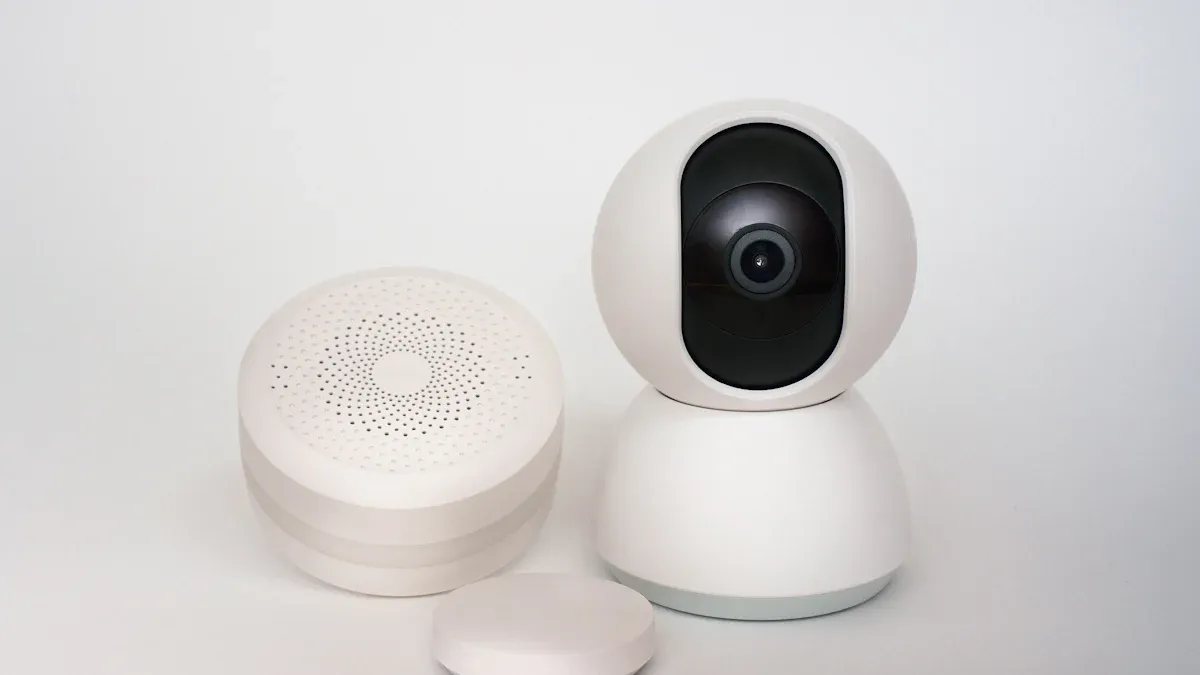
Sensors form the foundation of modern elevator safety systems. They continuously gather information about the environment and passengers. These devices capture real-time data, allowing the system to understand current conditions. For example, the Milesight VS121 AI Workplace Occupancy Sensor effectively captures real-time passenger data. This sensor uses AI-powered anonymous detection technology. It ensures passenger privacy while providing crucial data. This data helps the elevator system make smarter dispatch decisions based on in-car occupancy. It can dim lights when an elevator is empty or prioritize less occupied cars for hall calls.
Diverse Sensor Types for Elevator Environments
Various sensor types serve different functions within an elevator system. Each type offers unique advantages and disadvantages.
| Sensor Type | Advantages | Disadvantages |
|---|---|---|
| Multi-beam | Greater coverage area, more reliable | More expensive than single-beam options |
| Single-beam | Generally less expensive | Limited coverage area, can miss small obstructions |
| Through-beam | High accuracy; ideal for various environments | Requires clear path; more complex installation |
| Retro-reflective | Easy installation; compact design | Needs a clean reflective surface for effectiveness |
| Diffuse | Good for short ranges and specific applications | Limited range; detection affected by ambient light |
| Hall-Effect Sensors | Simple structure, cost-effective | Lower precision, affected by temperature |
| Laser Distance Sensors | High accuracy, unaffected by ambient light | Higher cost, complex installation |
Inductive sensors also play a vital role.
- Advantages of Inductive Sensors:
- Adaptability to Harsh Environments: Sealed housing prevents dust, oil, and humidity from affecting performance.
- High-precision Detection: Accurately measures small distance changes for precise door positioning.
- Non-contact Detection: Avoids mechanical wear, extending sensor lifespan.
- Strong Anti-interference Ability: Designed with filtering and shielding to resist electromagnetic interference.
- Challenges of Inductive Sensors:
- Influence of Metal Contaminants: Metal debris can interfere with the sensor’s electromagnetic field.
- Signal Processing in Complex Environments: Signals may fluctuate in extreme conditions.
Methods for Comprehensive Data Collection in Elevators
Comprehensive data collection relies on integrating multiple sensor types. Motion sensors track passenger movement. Weight sensors monitor the load inside the car. Infrared sensors detect body heat. These sensors work together to create a complete picture of activity within the elevator. The system processes this collected data in real-time. This allows for quick and informed decisions, enhancing overall safety and operational efficiency.
AI and Computer Vision: Decoding Elevator Passenger Actions
Computer Vision’s Role in Elevator Surveillance
Computer vision significantly enhances surveillance capabilities within an elevator. This technology allows systems to “see” and interpret events inside the car. It moves beyond simple recording, providing intelligent analysis of the environment.
Computer vision enhances elevator surveillance capabilities by enabling motion detection, object recognition (like faces), and real-time monitoring. This leads to selective video recording, improved security through early detection of suspicious activity, and enhanced energy efficiency by linking elevator operation to motion detection. The system can also trigger alerts and integrate with elevator control systems.
This advanced visual processing offers several benefits:
- Motion detection: The system uses advanced software to detect motion in a certain region. It only starts recording video when motion is found, conserving storage space.
- Object recognition: Capabilities can expand to include sophisticated functions like facial recognition and object tracking.
- Real-time monitoring: This allows for continuous monitoring of detected items and analysis of their motion. It enables immediate detection of unauthorized or suspicious activity.
- Selective video recording: The system only records video when motion is detected. This reduces storage requirements and makes it easier to review pertinent footage.
- Enhanced energy efficiency: The system can manage elevator operation based on motion detection. It only turns on the elevator when motion is sensed, which reduces excessive energy consumption.
- Improved security: Early detection of potential threats and suspicious activity, along with the ability to trigger alerts and integrate with control systems, strengthens security measures.
AI Algorithms for Analyzing Passenger Footage
AI algorithms provide the intelligence behind analyzing passenger footage. These algorithms process visual data to understand passenger actions and intentions. They identify patterns and anomalies that human observers might miss.
| AI Algorithm | Purpose in Elevator Footage Analysis |
|---|---|
| YOLO model | Detects passengers as they approach the elevator. |
| MAR-SVGG model | Provides deeper insights into passengers, including attributes like clothes, bags, and emotions. |
| FT-Resnet | Used for re-identification to track passenger journeys from entrance to exit. |
The YOLO (You Only Look Once) model quickly identifies passengers entering the detection zone. The MAR-SVGG model then analyzes deeper attributes, such as clothing, bags, and even emotional states. This provides a more complete picture of individuals. Finally, the FT-Resnet algorithm tracks passengers throughout their journey. It ensures continuous monitoring from their entrance to their exit. These algorithms work together to create a comprehensive understanding of passenger behavior.
Identifying Specific Unsafe Behaviors in Elevators
AI systems excel at identifying specific unsafe behaviors. They recognize actions that could lead to accidents or misuse. This proactive identification allows for immediate intervention.
These systems can detect various risky actions:
- Leaning over the handrail
- Trying to walk the wrong way
- Carrying too large suitcases
- Taking baby strollers or trolleys on the equipment
- Blocking the entrance or exit
Furthermore, AI can pinpoint other common unsafe behaviors:
- Running
- Using mobile devices
- Handrail compliance issues
- Mobile phone use
- Conveyor belt interactions (by extension, similar interactions in confined spaces like elevators)
When the system detects these behaviors, it can trigger alerts or initiate specific responses. For instance, it might issue an audible warning or temporarily halt the car’s movement. This capability significantly enhances safety by addressing human factors in real-time.
Advanced Detection Methods for Elevator Safety
Video Analytics for Elevator Crowd Management
Video analytics systems significantly enhance crowd management within buildings, especially around lifts. These systems, often integrated with IoT sensors, manage crowd density and flow by implementing specific strategies. They add counters outside lifts to monitor occupancy and flow. They also geofence areas around lifts, defining zones for crowd management. When dwell time in these geofenced zones increases, indicating potential congestion, staff can be dispatched to manage priority lines. This regulates the flow and prevents overcrowding. This proactive approach ensures smooth passenger movement and prevents potential safety hazards associated with high density.
Depth Sensors for Object and Person Tracking in Elevators
Depth sensors offer advanced capabilities for tracking objects and persons inside an elevator cabin. These sensors precisely monitor passenger location and movement. For instance, a smart system uses four depth cameras in the ceiling to capture this data. These cameras detect passenger positions and map them to a global coordinate system. The system specifically identifies passenger heads at various heights, starting from 120 cm and increasing by 5 cm increments until the ceiling height is reached. It monitors their movements throughout the ride. The number and placement of these cameras are crucial. They depend on the cabin’s layout and the field of view to ensure comprehensive coverage, especially for taller passengers or those near walls. A single camera, for example, might not cover the entire cabin effectively, particularly for taller individuals or those close to the walls. This necessitates multiple cameras to cover heights up to 2.0 meters.
Depth sensors, such as a Kinect sensor, also detect control panels and buttons. This capability applies in scenarios where robotic arms need to press buttons. The sensor helps identify and locate buttons in 3D space, even in semi-outdoor conditions where direct sunlight might be an issue. It achieves this by iteratively updating camera parameters and using fiducial points. Optical Character Recognition (OCR) then identifies floor numbers on the buttons, guiding a robotic arm to press the correct one.
Optical Flow for Analyzing Passenger Movement in Elevators
Optical flow is a computer vision technique that analyzes patterns of apparent motion of objects, surfaces, and edges in a visual scene. In the context of elevators, optical flow algorithms track the movement of passengers frame by frame. This method provides detailed information about the speed and direction of individuals. It helps identify unusual or sudden movements, such as running, falling, or pushing. By continuously monitoring these motion vectors, the system can detect anomalies that might indicate a safety risk. For example, if a passenger suddenly falls, the optical flow algorithm immediately registers a rapid downward movement. This triggers an alert to building staff or emergency services. This advanced analysis of movement patterns contributes significantly to proactive safety measures.
Practical Applications of Elevator Behavior Detection Systems

Preventing Accidents and Misuse in Elevators
Behavior detection systems significantly reduce accidents and misuse. Overload sensors are crucial devices. They prevent the elevator from exceeding its weight limit. These sensors stop the elevator and send alerts if the weight limit is breached. This protects both people and equipment. Commercial service elevators also feature safety brakes, door sensors, and door closing devices. Hoistway door interlocks and emergency systems add security. Proper training for users is critical. It educates them on safe behavior, such as avoiding overcrowding and not forcing doors open. Telematics technology monitors performance in real-time. This helps prevent issues before they occur. Video monitoring deters criminal activities like theft and assaults. Cameras create a sense of surveillance and accountability. This reduces the likelihood of incidents.
Enhancing Emergency Response in Elevator Incidents
These systems dramatically improve emergency response times. Video monitoring and two-way communication offer passengers 24/7 immediate contact with live agents. Trained agents assess situations from inside the elevator. This leads to faster resolution times. Experts advise passengers on navigating emergency scenarios effectively. Gunshot detection systems use acoustic sensors. They detect firearm discharge and immediately signal building systems to lock down elevators. AI-powered video analytics detect weapon presentation or aggressive behaviors. This triggers early intervention. Manual panic buttons and wearable duress alarms provide human-initiated triggers. Multi-sensor verification reduces false positives. These systems integrate with access control and elevator management for seamless emergency protocol execution. Synchronized control across multiple systems is crucial. When a lockdown triggers, the building notifies occupants, halts vertical movement, and alerts first responders.
Optimizing Overall Elevator Performance and Flow
Behavior detection systems also optimize elevator performance and passenger flow. By understanding traffic patterns and passenger behavior, systems can adjust dispatching strategies. This reduces wait times and improves efficiency. For example, if a system detects a large group waiting, it can send an elevator more quickly. This proactive management ensures smoother operations. It also minimizes energy consumption by optimizing car movements.
Integrating Behavior Detection with Elevator Control Systems
Real-Time Responses to Detected Behaviors
Behavior detection systems provide immediate responses to identified actions. If the system detects an unsafe condition, it can stop the car. It can also keep the doors open. Alternatively, it can adjust the car’s speed. This ensures the system reacts in real-time to any situation. This proactive approach minimizes risks for passengers.
Communication with Other Building Safety Systems
These systems integrate with building management systems (BMS). This allows centralized control and monitoring through a unified security dashboard. This integration works with other systems. These include CCTV, alarms, and external door controls. This provides a comprehensive security solution. The system synchronizes with fire alarms to prevent car use during emergencies. It provides access logs and real-time reports for security audits. Integration with smart locks and alarms enhances security. It links with apartment security systems in smart residential buildings. This restricts visitor access to pre-approved floors.
Enhancing Elevator Reliability Through Integration
Integrating behavior detection significantly enhances system reliability. The seamless connection ensures the system responds effectively to all situations. This level of integration makes modern systems smarter and more efficient. It provides a safer and more reliable experience for all users. This proactive management reduces downtime and improves operational consistency.
Addressing Challenges and Ethical Considerations in Elevators
Ensuring Passenger Privacy in Elevator Monitoring
Elevator monitoring systems raise important privacy concerns. System designers prioritize passenger anonymity. They implement technologies that detect behavior without capturing identifiable personal information. For example, some systems use anonymous detection methods. These methods focus on movement patterns and occupancy levels. They do not record faces or other distinguishing features. This approach protects individual privacy while still enhancing safety.
Data Security and Storage Protocols for Elevator Systems
Robust data security protocols are essential for elevator systems. These protocols protect sensitive operational data and any collected behavioral information. Systems employ encryption to secure data during transmission and storage. Access controls limit who can view or modify the data. Regular audits ensure compliance with security standards. Secure storage solutions prevent unauthorized access and data breaches. These measures maintain the integrity and confidentiality of all system data.
System Accuracy and Reliability in Diverse Elevator Scenarios
Behavior detection systems must demonstrate high accuracy and reliability across various conditions. Millimeter-wave (mmWave) radar systems offer a solution. They provide real-time occupant detection. These systems distinguish individual passengers and track movement patterns, even in dense conditions. Radar monitors density and movement, detecting when elevator cabins exceed safe occupancy limits. It identifies unusual behavior, such as rapid, erratic, or prolonged motion, which can indicate emergencies like falls. Unlike cameras, radar ensures privacy protection. It detects movement patterns and occupancy without capturing identifiable images. Radar systems operate independently of light. They remain reliable in visually obstructed or low-light conditions. Data from radar sensors can trigger automated alerts or control signals to the elevator management system, ensuring safe operation.
Scientific behavior detection fundamentally transformed elevator safety paradigms. This innovation moved beyond traditional methods, creating safer environments for passengers. The future of elevators involves increasingly smart, proactive, and secure systems. These advancements will continue to enhance reliability and user experience for everyone.
FAQ
❓ How do behavior detection systems enhance elevator safety?
These systems actively identify and mitigate risks from human actions. They prevent accidents and misuse, enhance emergency response, and optimize overall elevator performance and flow.
Post time: Nov-21-2025