
Residential elevator accidents pose significant safety concerns for homeowners and building managers. Poor maintenance and aging components often cause malfunctions and injuries. Proactive measures are crucial. We must enhance residential vertical transport safety standards and practices by 2025.
Key Takeaways
- Regular checks and professional service keep residential elevators safe. This stops small problems from becoming big ones.
- New technology like smart sensors helps elevators work better and safer. It can find issues before they cause trouble.
- Everyone must know how to use elevators safely and what to do in an emergency. This helps prevent accidents.
Current Residential elevator Safety Landscape
Common Residential elevator Accident Types
Residential buildings experience various types of elevator accidents. Entrapments represent a frequent occurrence. Passengers become stuck inside the cab, causing distress and requiring emergency services. Sudden stops or uncontrolled movements also pose significant risks. These incidents can lead to falls or impact injuries for occupants. Door malfunctions are another common problem. Doors may fail to open or close properly, or they might close unexpectedly, striking individuals. Leveling issues, where the elevator car does not align precisely with the floor, create tripping hazards. People can stumble when entering or exiting the car. Mechanical failures often contribute to these dangerous situations.
Underlying Causes of elevator Incidents
Several factors contribute to residential elevator incidents. Inadequate maintenance stands as a primary cause. Building managers or homeowners neglect regular inspections and servicing. This oversight allows small issues to escalate into major malfunctions. Electrical system failures also play a role. Faulty wiring, power surges, or component breakdowns can disrupt elevator operation. Mechanical wear and tear naturally occur over time. Parts like cables, brakes, and motors degrade, increasing the likelihood of failure. User misuse sometimes causes problems. Passengers may overload the car or tamper with controls. Poor installation practices during initial setup or subsequent repairs can introduce inherent flaws. These flaws compromise long-term safety and reliability.
Impact of Aging Residential elevator Infrastructure
Aging infrastructure significantly impacts residential elevator safety. Older systems often feature outdated technology. These systems lack modern safety features found in newer models. Worn-out components become more susceptible to failure. Finding replacement parts for vintage elevators also presents challenges. Manufacturers may no longer produce these specific components. This scarcity leads to prolonged downtime or reliance on less-than-ideal substitutes. Older elevators typically require more frequent repairs. Their operational efficiency decreases, and the risk of breakdowns increases. The cumulative effect of age compromises the overall integrity and safety of the entire vertical transport system. Upgrading or modernizing these older units becomes crucial for resident safety.
Projecting 2025: Emerging Residential elevator Challenges
Influence of Smart Home Technology on elevators
Smart home technology significantly influences residential elevator safety and functionality. By 2025, these integrations will become more prevalent, introducing both benefits and new considerations. Smart elevator sensors detect unusual vibrations, slow door operations, or misalignments instantly. They send this critical data to a smartphone or monitoring dashboard, which reduces emergency risks. Remote monitoring platforms provide 24/7 oversight of elevator performance metrics from any location. These platforms integrate with smart home systems for control and locking capabilities. Predictive maintenance software uses past performance data to forecast potential failures. This allows for proactive maintenance and lowers long-term costs.
AI-powered safety analytics utilizes machine learning to analyze data over time. It learns to catch rare problems and generates personalized safety reports. Mobile safety apps offer instant safety alerts if something goes wrong. They also provide user-friendly dashboards for usage history, maintenance schedules, and safety logs. Video surveillance integration offers visual monitoring for families. It enhances security by deterring unauthorized use. Cloud-based data storage safely stores digital maintenance logs. This makes them easy to retrieve for homeowners and accessible for elevator providers for faster troubleshooting. IoT-connected home elevators integrate sensors, apps, cloud storage, and AI. They create smart devices that constantly communicate with users and providers, even for compact units. Remote monitoring allows users to track elevator usage and receive alerts for irregularities. This ensures prompt attention to potential issues. Access control enables setting permissions to restrict elevator use to authorized individuals, increasing home security. Emergency notifications provide immediate alerts in case of malfunctions or emergencies. This facilitates swift response and resolution.
Risks from DIY Residential elevator Maintenance
Homeowners sometimes attempt do-it-yourself (DIY) maintenance on residential elevators. This practice carries significant risks. Incorrect installation or maintenance can lead to unsafe situations. Professional installation ensures adherence to building codes and safety requirements. DIY kits often use inferior materials. This leads to a shorter lifespan, more frequent repairs, and faster deterioration of components like the cab, buttons, and doors. Proper elevator installation and maintenance require architects, engineers, licensed contractors, and inspectors. DIY approaches bypass these crucial professional checks.
Home insurers may refuse to cover or charge higher premiums for homes with DIY elevators. They have concerns about incorrect installation and maintenance. If issues arise with a DIY elevator, owners are left without professional support. Technicians often hesitate to service DIY units due to complexity and liability concerns. This lack of expertise and support creates dangerous scenarios.
Increased Usage and Wear on Residential elevators
Increased usage significantly impacts the wear and tear on residential elevator components. elevators used routinely throughout the day experience more stress on components like cables, pulleys, and motors with each trip. This leads to accelerated degradation and potential failures. This higher frequency of use directly shortens the lifespan of these components compared to elevators used less often. The intensity of use also plays a role. While residential elevators generally have a longer lifespan than commercial ones due to lower intensity, any increase in their specific usage will still accelerate wear.
Increased usage, if not accompanied by regular maintenance, leads to significant wear and tear. This causes unpredictable and unsafe operation. It also results in a higher likelihood of component failure, which could lead to accidents. Emergency breakdowns could trap passengers between floors. Increased usage leads to wear and tear on several key components, manifesting as:
- Door Malfunctions: Frequent use causes issues like misalignment, sensor failures, and wear on rollers and tracks.
- Slow Operation or Jerky Movements: This can signal worn-out cables or pulleys, which are under constant stress from repeated use.
- Unusual Noises: Rattling, squeaking, or grinding often indicate mechanical issues. These include faulty bearings, worn motor components, or loose parts, all exacerbated by frequent operation.
- Frequent Breakdowns: These result from aging mechanical components and control panel failures, which higher usage accelerates.
Essential Residential elevator Maintenance Protocols
Importance of Regular Professional elevator Servicing
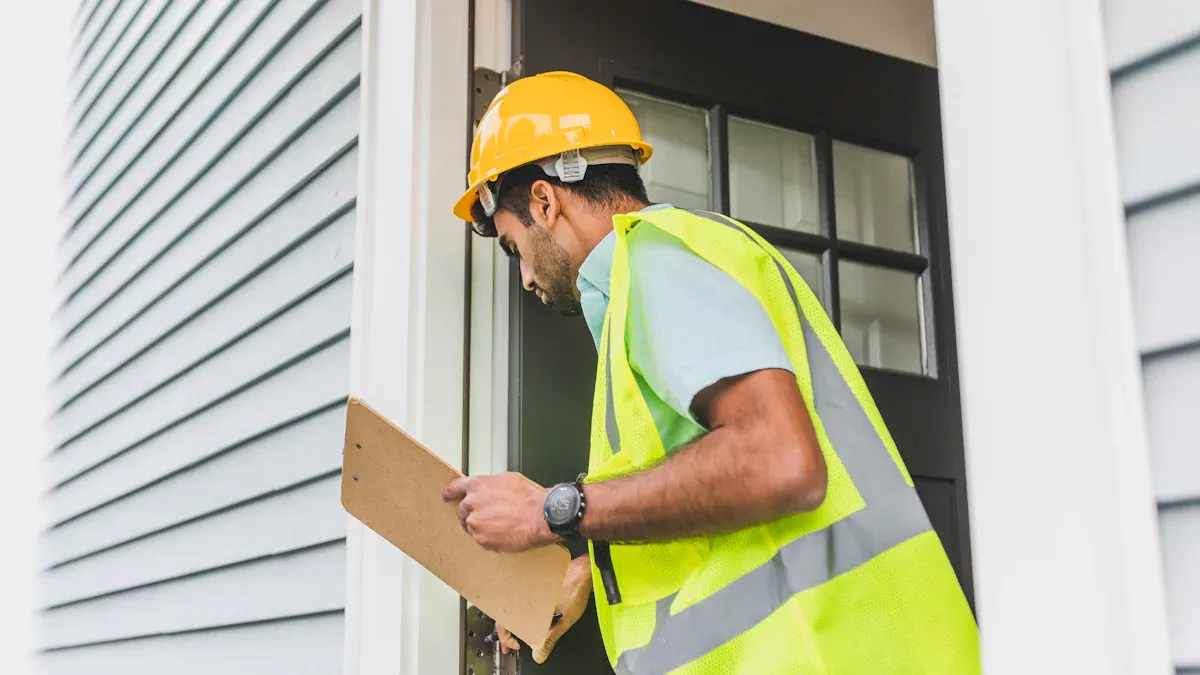
Regular professional servicing is paramount for residential elevator safety and longevity. It prevents minor issues from escalating into major malfunctions, ensuring reliable operation. Expert technicians identify wear and tear, address potential electrical problems, and calibrate systems for optimal performance. This proactive approach significantly reduces the risk of unexpected breakdowns and costly emergency repairs. It also safeguards residents from potential hazards associated with malfunctioning equipment.
Key elevator Components Requiring Frequent Checks
Several key components demand frequent checks during maintenance. Technicians meticulously inspect the hoist ropes or hydraulic systems, ensuring their integrity and proper function. They examine door mechanisms, including sensors and interlocks, to prevent entrapment or accidental closures. The control panel, emergency stop buttons, and communication systems also undergo thorough testing. Furthermore, they assess the car’s leveling accuracy at each floor, preventing tripping hazards. Brake systems receive careful attention, guaranteeing their responsiveness and effectiveness.
Understanding elevator Inspection Frequencies and Standards
Understanding inspection frequencies and standards is crucial for residential elevator owners. The manufacturer’s manual provides the primary guide for determining maintenance intervals, ensuring compliance with safety guidelines. Most elevator companies recommend a thorough inspection at least once a year to prolong the unit’s lifespan. While commercial elevators often require monthly checks due to high usage, residential units in buildings up to six floors, used less than 6,000 times per month, have different service requirements. These also depend on the elevator’s type and age. Residential elevators generally do not require periodic government inspections. However, qualified elevator companies perform necessary safety tests. An acceptance safety test occurs once at installation, often witnessed by an inspector. Annually, the elevator company conducts Category 1 safety tests to ensure safety features function correctly. Every five years, they perform Category 5 safety tests with a full load of test weights. Planned maintenance for home elevators typically takes place twice a year. This maintenance reduces repair frequency and costs, maintaining the safe condition of the unit.
Technological Advancements for Enhanced elevator Safety
Role of Predictive Maintenance Systems for elevators
Predictive maintenance systems significantly enhance residential elevator safety. These systems minimize risks by ensuring machinery operates within safe parameters. This supports compliance with industry standards and legal requirements, preventing serious safety hazards and regulatory violations. Predictive service significantly reduces the likelihood of failures. Routine maintenance and early problem detection ensure that elevators are less prone to unexpected breakdowns. This maximizes uptime, ensuring consistent availability and reliability. Continuous monitoring identifies issues before they escalate. Safety-critical components such as brakes and cables are checked in real-time. This virtually eliminates sudden breakdowns.
Integration of Advanced Sensor Technologies in elevators
Advanced sensor technologies are increasingly integrated into residential elevators for improved safety. These systems include flood detection and resistance. elevators can be programmed not to descend into floodwaters. Modern elevators use advanced software and hardware to detect and protect passengers. Examples include systems combining light curtains and time-of-flight sensors. These keep doors open until all riders have entered. Devices also monitor doors for faults, stopping the elevator until doors are securely closed. Door safety systems utilize sensors and detectors to prevent doors from closing on individuals or objects. Light curtains employ a series of light beams to detect obstructions and automatically reopen doors. Overload sensors prevent operation if the weight limit is exceeded, safeguarding mechanics and passengers.
Benefits of Remote Monitoring Solutions for elevators
Remote monitoring solutions offer several key benefits for residential elevator safety. They enable improved diagnostics and predictive maintenance. This allows for early detection and resolution of issues before they escalate into breakdowns or accidents. These systems enhance safety through continuous 24/7 surveillance and real-time monitoring. This ensures problems are identified and addressed quickly. This proactive approach prevents elevator-related injuries and ensures compliance with safety guidelines. An elevator remote monitoring system continuously performs system diagnostics. It identifies potential problems that could lead to catastrophes. In an entrapment event, the system provides a vital communication link for passengers. This ensures swift intervention and assistance.
User Education and Emergency elevator Preparedness
Critical Safety Guidelines for Residential elevator Users
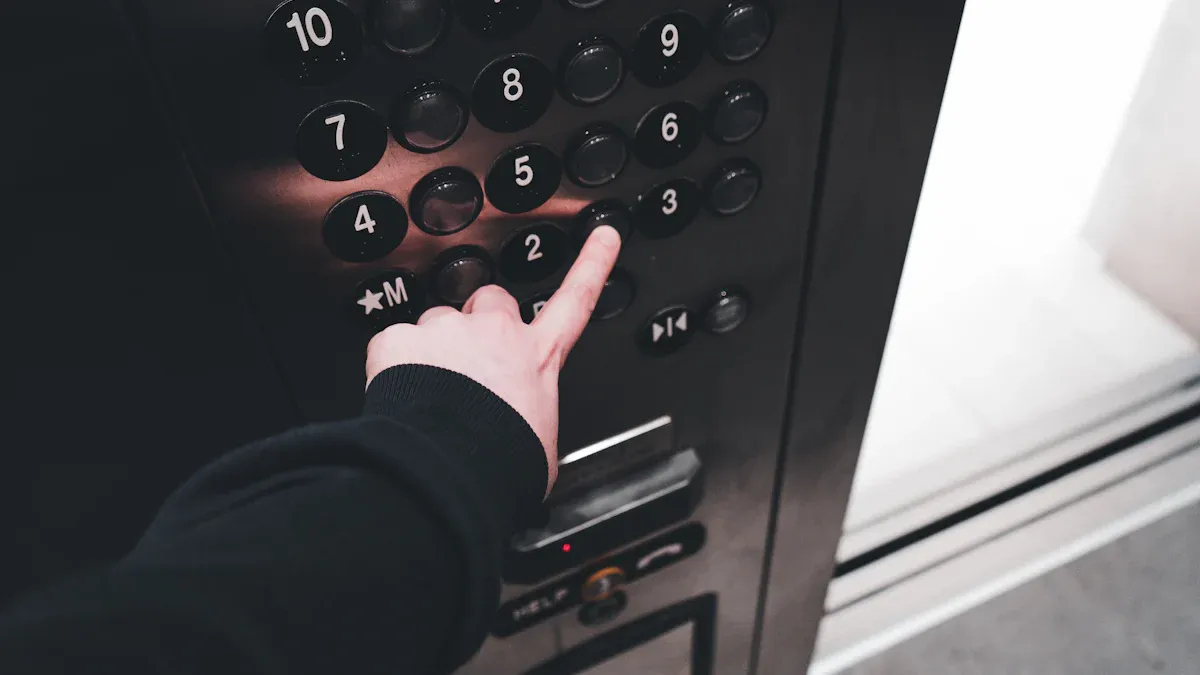
Users must follow critical safety guidelines for residential elevator operation. Always wait patiently for the car to fully arrive and open before entering. This prevents accidents. Be aware of the small gap between the car and the floor to avoid tripping. Use handrails for stability if available, especially for those with balance issues. Never overload the car; adhere to the posted maximum capacity for safe operation. Avoid rough play or vandalism inside the car. Such actions can lead to entrapment or catastrophic consequences. Modern systems also feature important safety mechanisms. The emergency stop button allows users to halt movement in genuine emergencies. Door sensors detect obstructions, preventing doors from closing on individuals. Overload sensors prevent operation if the weight limit is exceeded, protecting both mechanics and passengers.
Steps to Take During an elevator Malfunction
Users should know specific steps during a vertical transport malfunction. First, do not panic. These systems have safety signals and ventilation. If the car becomes stuck, first check if someone accidentally pressed the emergency stop switch. Attempt to use the call button or the in-car phone to contact assistance. Remain inside the car. Never attempt to climb out unless emergency services specifically instruct you to do so. Climbing out can disable safety features and cause injury.
Importance of Clear Emergency elevator Procedures
Clear emergency procedures are vital for residential vertical transport safety. Buildings must post easy-to-read instructions inside the car for passengers. Equip cars with an up-to-date emergency contact list. This list includes technicians, the fire department, and building management. Ensure all emergency contact details are readily available for dispatchers. This includes the building name, specific location, and unit details. A well-maintained emergency button or intercom system provides direct communication with assistance. Staff training on malfunction response and regular drills also enhance preparedness.
Legal and Regulatory Frameworks for Residential elevators
Current elevator Safety Codes and Standards
Residential vertical transport systems adhere to strict safety codes. The industry standard for private residence systems, adopted by most states, is ASME ANSI A17.1/CSA B44 – Section 5.3. The most current edition, ASME A17.1/CSA B44–2022, governs design and installation. Earlier editions, including 2016, introduced a critical safety requirement: limiting the space between the cab door and hoistway landing door to less than 4 inches. This ’3/4 x 4 Rule’ specifically addresses minimizing injury risk, especially for children. It ensures car doors withstand 75 pounds of force without warping and limits deflection to no more than 3/4 inch. Other nationally recognized standards, such as NFPA 70 for electrical safety and UL Listing, also apply. Section 5.3 of ASME A17.1 specifies the inside area of a residential cab should not exceed 15 square feet. It also details hoistway, machine room, car clearance, and backup power requirements.
Anticipated Regulatory Changes for elevators by 2025
By 2025, regulatory frameworks will likely continue evolving. Anticipated changes may focus on integrating smart home technology standards and refining safety protocols for increased usage. Regulators will probably address new risks from advanced features and ensure consistent safety across diverse residential installations. These updates aim to keep pace with technological advancements and user demands.
Liability and Insurance Considerations for Residential elevators
Homeowners must also consider liability and insurance for their residential vertical transport systems. Home insurance typically covers these systems as a rider or endorsement to a standard homeowner’s policy. Insurers usually require regular inspections and maintenance to maintain coverage, ensuring proper working condition and reducing risks. Installing a home system can increase the home’s replacement value, necessitating a review and potential increase in policy limits. Liability insurance is crucial; it covers injuries that may occur to anyone using the system. Insurance also covers potential damage to the building, for instance, if the system gets stuck and people trying to exit cause damage. Furthermore, National Flood Insurance Program (NFIP) regulations mandate protection from flood damage for these systems and their associated equipment.
Proactive maintenance, advanced technology, and user education are crucial for residential elevator safety. Everyone shares responsibility for preventing future incidents. Homeowners and building managers must prioritize these safety measures. This ensures secure, reliable, and compliant vertical transport for all residents.
Post time: Dec-05-2025