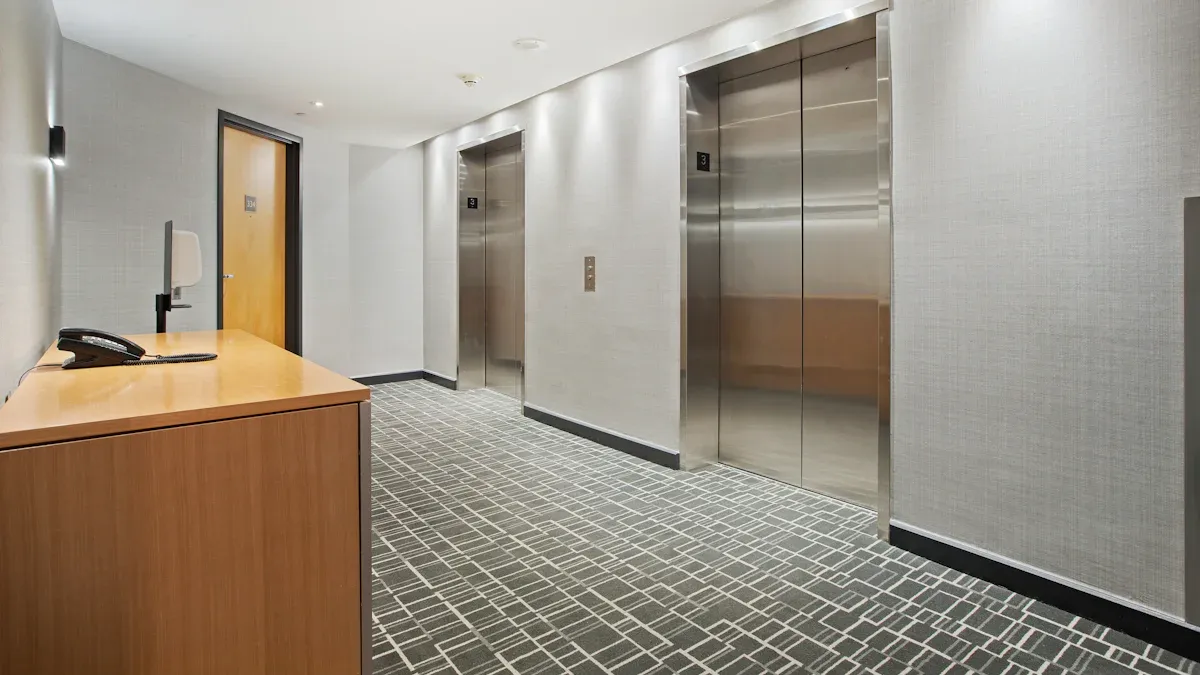
Selecting the ideal elevator depends on building type, user needs, and safety requirements. Designers assess factors such as travel time, structural support, and compliance with local codes.
- Speed, capacity, and ride comfort often shape the decision.
- Aesthetics and finishes must match the building’s style and function.
Key Takeaways
- Choose an elevator type that fits your building’s purpose, user needs, and space, such as residential, commercial, industrial, or special use models.
- Prioritize safety, accessibility, and energy efficiency by selecting elevators with modern features like emergency brakes, ADA compliance, and energy-saving technologies.
- Plan your elevator budget carefully, considering installation, maintenance, and customization costs to ensure long-term value and smooth operation.
Choosing the Right Elevator for Your Building
Residential Elevator Needs
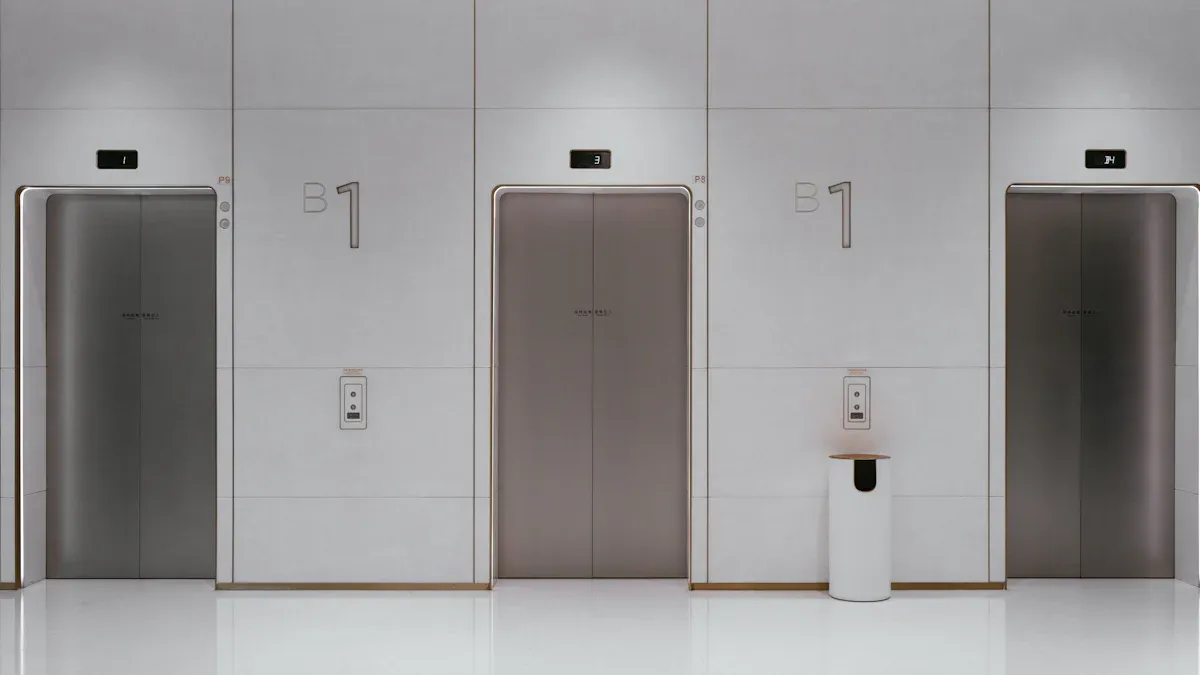
Homeowners often seek elevators that balance comfort, space efficiency, and affordability. The most common types include hydraulic, traction, pneumatic (air-driven), and machine-room-less (MRL) models. Each type offers unique benefits for residential settings.
| Elevator Type | Main Advantages |
|---|---|
| Hydraulic | Smooth and quiet ride; cost-effective for low-rise buildings; dependable; supports larger weights |
| Traction (Cable-Driven) | Faster speeds; energy efficient; ideal for multi-story residences; counterweight system |
| Pneumatic (Air-Driven) | Space-saving; no machine room or pit needed; self-contained; visually appealing transparent design |
| Machine Room-Less (MRL) | Saves space by eliminating machine room; quieter and more energy-efficient than conventional types |
Residential elevator installation costs typically range from $2,000 to $60,000, with an average near $30,000. These elevators remain smaller and lighter than commercial models, often supporting 500-1,000 lbs. MRL elevators, popular in homes, reduce installation complexity and cost by eliminating the need for a separate machine room.
Tip: Homeowners should consider the number of floors, available space, and desired features before selecting an elevator model.
Commercial Elevator Solutions
Commercial buildings demand elevators that prioritize safety, accessibility, and efficiency. Machine room-less (MRL) elevators have become popular due to their space-saving design, lower energy consumption, and quieter operation. Passenger elevators in these settings must balance performance, aesthetics, and compliance with regulations.
- Automatic sliding cabin and landing doors ensure easy access.
- Cabin speed and size must match building traffic and peak usage.
- LED ceiling lights provide adequate illumination.
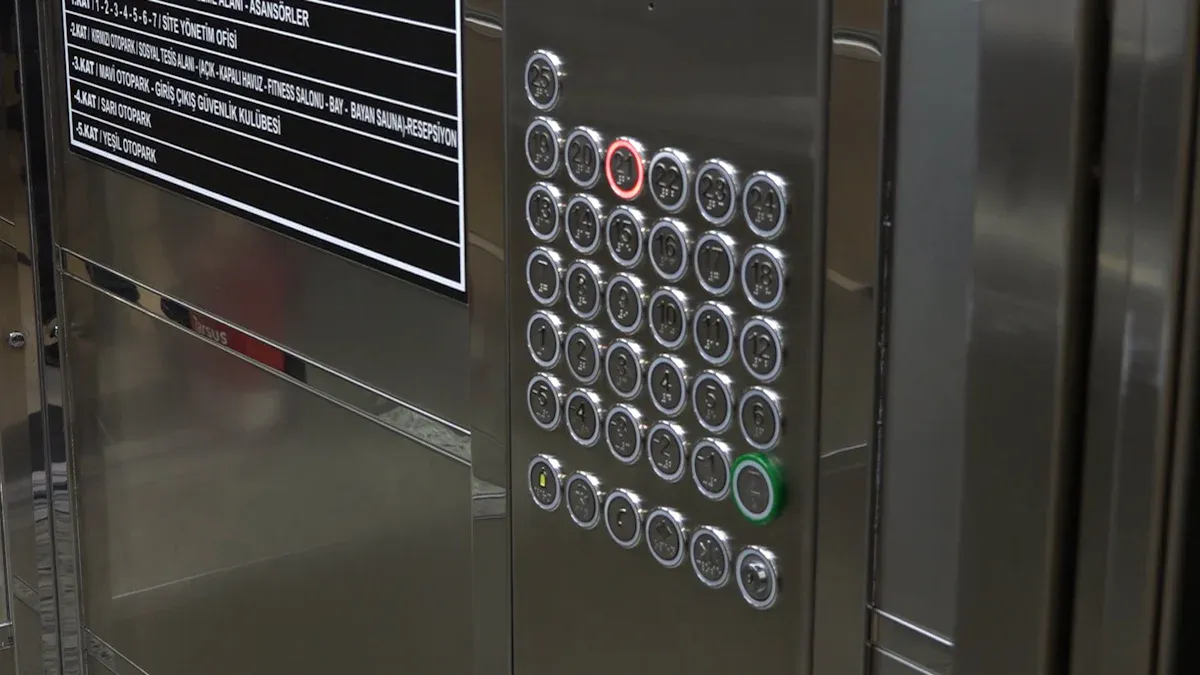
- Push buttons with braille support accessibility.
- Anti-slip flooring and handle bars enhance passenger safety.
- Overload alarms and double chain protection prevent accidents.
- Emergency power failure protocols allow safe evacuation.
- Door linkage systems ensure doors open only when the elevator is present.
Commercial elevator installations generally cost more than residential ones. These systems require larger machine rooms, higher weight capacities (around 3,500 lbs), and more complex safety features. In the United States, ASME A17.1 and ADA standards govern safety and accessibility, while Europe follows EN 81-20 and EN 81-50, which emphasize advanced door detection, fire safety, and regular maintenance.
Industrial Elevator Requirements
Factories and warehouses rely on freight elevators designed for heavy loads and continuous operation. These elevators must accommodate bulky materials and withstand harsh environments.
| Freight Elevator Size | Typical Dimensions (Width x Depth) | Door Width | Load Capacity (lbs) |
|---|---|---|---|
| Small Freight | Approx. 6′ x 7′ | 4′ | 4,000 – 5,000 |
| Medium Freight | Approx. 8′ x 10′ | 6′ | 10,000 – 15,000 |
| Large Freight | Approx. 12′ x 15′ | 8′ | 20,000 – 30,000 |
| Extra-Large Freight | Approx. 15′ x 20′ | 10′ | Up to 100,000 |
Industrial elevators must match the heaviest items to be transported. Durability, safety features such as emergency brakes and overload protection, and compliance with safety standards are essential. Customization often becomes necessary to fit specific operational demands. These elevators differ from commercial and residential models by offering much higher load capacities and robust construction.
Special Use Elevator Options
Some buildings require elevators for unique purposes. LULA (Limited Use, Limited Application) elevators serve low passenger loads and limited floors, making them ideal for churches, schools, libraries, and historic buildings. Wheelchair lifts improve accessibility in locations where full passenger elevators are impractical, ensuring compliance with ADA requirements. Dumbwaiters transport small goods in restaurants and libraries, streamlining operations.
Special use elevators in hospitals and fire service contexts must meet strict standards such as ANSI/ASME A17.1 for safety and ANSI A117.1 for accessibility. Fire service access elevators require enhanced lobbies, direct access to exit stairways, and compliance with fire-resistance and egress regulations. These requirements ensure that elevators in healthcare and emergency settings provide safe, reliable service during critical situations.
Key Elevator Factors to Consider
Capacity and Size
Selecting the right capacity and size for an elevator ensures safe and efficient transportation. Building type and intended use determine the recommended capacity range. The following tables summarize typical capacities and dimensions:
| Building Type | Elevator Type | Recommended Capacity Range |
|---|---|---|
| Residential (Multifamily) | Freight Elevators | Lower load capacities than commercial/industrial |
| Residential (Home Lifts) | Passenger Elevators | Smaller, tailored to space and user needs |
| Commercial | Freight Elevators | 2,000 to 20,000 pounds or more |
| Commercial | Passenger Elevators | 450 kg to over 1,500 kg |
| Industrial | Freight Elevators | Often exceeding 20,000 pounds |
| Elevator Type | Typical Dimensions (mm) | Capacity Range (kg) |
|---|---|---|
| Residential Passenger | 900 x 1040 to 1500 x 2400 | 450 to 1500+ |
| Commercial Passenger | 900 x 1200 to 1500 x 2400 | 450 to 1500+ |
| Freight Elevators | Larger cabins, size varies | 1500 to 3000 (standard) |
| Home Lifts | 900 x 1040 to 1500 x 1100 | Smaller, home use |
- Larger elevator cabs require wider shafts and broader door openings, which can impact wall layouts and structural support.
- Shaft dimensions must accommodate the cab, guide rails, and clearance, so early planning is essential.
- Compact control panels and mirrors can improve comfort and create a sense of openness in smaller cabs.
Note: Elevator size influences architectural planning, user comfort, and accessibility. Proper sizing ensures compliance with building codes and enhances the user experience.
Speed and Efficiency
Elevator speed affects both passenger convenience and building efficiency. High-rise commercial buildings often use gearless traction elevators, which reach speeds between 500 and 2,000 feet per minute. Mid-rise buildings typically use geared traction elevators, operating up to 500 feet per minute. Residential elevators, usually hydraulic, operate at speeds up to 200 feet per minute.
| Elevator Type | Typical Application | Speed Range (feet per minute) |
|---|---|---|
| Gearless Traction | High-rise commercial | 500 – 2,000 |
| Geared Traction | Mid-rise commercial | Up to 500 |
| Hydraulic | Low-rise or residential | Up to 200 |
- Higher speeds reduce wait times and improve passenger flow.
- High-speed elevators consume more power and require advanced safety protocols.
- Modern technologies, such as regenerative drives and variable frequency drives, help reduce energy consumption even at higher speeds.
- Regular maintenance is crucial for efficiency and reliability.
Safety Features
Safety remains the top priority in elevator design and operation. Modern systems include a range of features to protect passengers and ensure compliance with international codes:
- Safety brakes automatically engage during malfunctions.
- Emergency power supplies maintain operation or allow safe descent during outages.
- Regular maintenance and inspections by qualified personnel are mandatory.
- Certified installation ensures compliance with legal and safety standards.
- Door sensors and safety edges prevent doors from closing on passengers.
- Overload sensors stop operation if weight limits are exceeded.
- Emergency stop buttons and intercom systems provide immediate assistance.
- Non-slip flooring and clear signage enhance passenger safety.
- Advanced technologies, such as smart sensors and remote monitoring, detect and prevent faults.
Modern elevator safety systems have evolved to address hazards like overspeed and mechanical failure. Features such as predictive maintenance, automatic emergency braking, and real-time monitoring have significantly reduced accidents and injuries. Regulatory authorities enforce strict standards, making routine inspections and professional maintenance essential for ongoing safety.
Accessibility
Elevators must provide safe and convenient access for all users, including people with disabilities. Compliance with standards such as the Americans with Disabilities Act (ADA) ensures accessibility. Key requirements include:
| Accessibility Aspect | ADA Requirement Details |
|---|---|
| Elevator Cab Size | Minimum clear floor area: 51" deep x 68" wide (center-opening doors) |
| Door Width | Minimum clear opening of 36" |
| Turning Space | 60" diameter turning circle or T-shaped turning space inside cab |
| Handrails | Installed on at least one wall, 34" to 38" above floor |
| Audible/Visual Signals | Floor announcements and direction indicators required |
| Control Panel Location | Reachable from multiple positions, highest operable part max 48" from floor |
| Button Design | Minimum 3/4" size, tactile and braille labels, backlit when activated |
| Emergency Controls | Grouped at bottom of panel within accessible reach |
| Door Operation | Automatic opening/closing with minimum open time, sensors to detect obstructions |
| Accessible Routes & Location | Elevators must be on accessible routes connecting all floors; clear floor space at landings |
| Signage | Visual and tactile (braille) signs indicating elevator location and floor status |
- Elevator cars must accommodate wheelchairs and mobility aids.
- Doors must remain open for at least 3 seconds and be at least 36 inches wide.
- Verbal announcements and braille signage improve usability for visually impaired passengers.
- Emergency communication systems must support users who cannot speak or hear.
Tip: Regular assessment and adherence to evolving accessibility codes ensure elevators remain inclusive and compliant.
Energy Efficiency
Modern elevators use advanced technologies to minimize energy consumption and environmental impact. Compared to older models, new systems can reduce energy use by up to 70% through several innovations:
- Energy-efficient motors and regenerative drives recapture energy during braking, feeding it back into the building’s electrical grid.
- LED lighting and motion sensors reduce power consumption during idle periods.
- Smart control systems power down non-essential components when not in use.
- Machine-roomless (MRL) traction elevators eliminate the need for a separate machine room, reducing energy use and heat output.
- Destination dispatch controls optimize stops and reduce the number of trips.
Some systems, like ElevatorKERS, use ultracapacitors to store and reuse kinetic energy, further lowering energy consumption and carbon footprint.
Aesthetics and Customization
Elevator design plays a significant role in user satisfaction and property value. Luxury buildings often feature customizable interiors and exteriors, including:
- High-end materials such as wood, glass, stone, and metals like bronze or stainless steel.
- Custom wainscoting, mirrors, and bold wallpaper designs.
- Panoramic glass cabs, digital screens, and LED lighting for enhanced ambiance.
- Branding elements, artwork, and engraved panels to reflect building identity.
- Touchless controls, acoustic comfort, and eco-friendly materials for modern functionality.
Aesthetic choices, such as non-slip flooring, ergonomic handrails, and adaptive lighting, improve safety and comfort. Upgrading elevator interiors with quality materials and smart features increases tenant satisfaction and boosts property value.
Budget and Cost
Cost considerations influence every stage of elevator selection and installation. The average cost range for installing different types of elevators in new buildings is as follows:
| Elevator Type | Elevator Unit Cost | Installation Labor Cost | Total Average Cost Range |
|---|---|---|---|
| Hydraulic Elevator | Around $25,000 | $20,000 to $30,000 | $45,000 to $55,000 |
| Pneumatic Elevator | Around $15,000 | $10,000 to $25,000 | $25,000 to $40,000 |
| Cable-Driven Elevator | Around $10,000 | $10,000 to $15,000 | $20,000 to $25,000 |
- Installing elevators during new construction is generally less expensive and allows for optimal shaft placement.
- Retrofitting elevators can increase labor costs, especially if significant demolition is required.
- Permit fees, inspections, and taxes add to the total cost.
Long-term maintenance costs depend on several factors:
- Elevator type, age, and frequency of use.
- Environmental conditions, such as humidity or extreme temperatures.
- Maintenance contracts, with full-service agreements offering predictable expenses.
- Proprietary systems may lead to higher costs due to limited maintenance options and frequent part replacements.
Note: Choosing non-proprietary systems and planning for regular maintenance can reduce lifecycle costs and improve reliability.
Selecting the right elevator requires careful planning. Building owners should assess user needs, consult professionals, and compare models to avoid costly mistakes. Collaboration with architects and consultants ensures safety, accessibility, and long-term value. Smart technology and custom finishes can enhance both efficiency and property appeal.
FAQ
What is the typical lifespan of an elevator?
Most elevators last 20 to 30 years. Regular maintenance and timely upgrades extend service life and improve safety.
How often should elevators receive maintenance?
Elevator experts recommend monthly or quarterly inspections. Frequent checks help prevent breakdowns and ensure compliance with safety standards.
Can elevators be customized for unique architectural designs?
Manufacturers offer custom finishes, cabin sizes, and control panels. Architects and owners can match elevator aesthetics to building style and branding.
Post time: Aug-11-2025