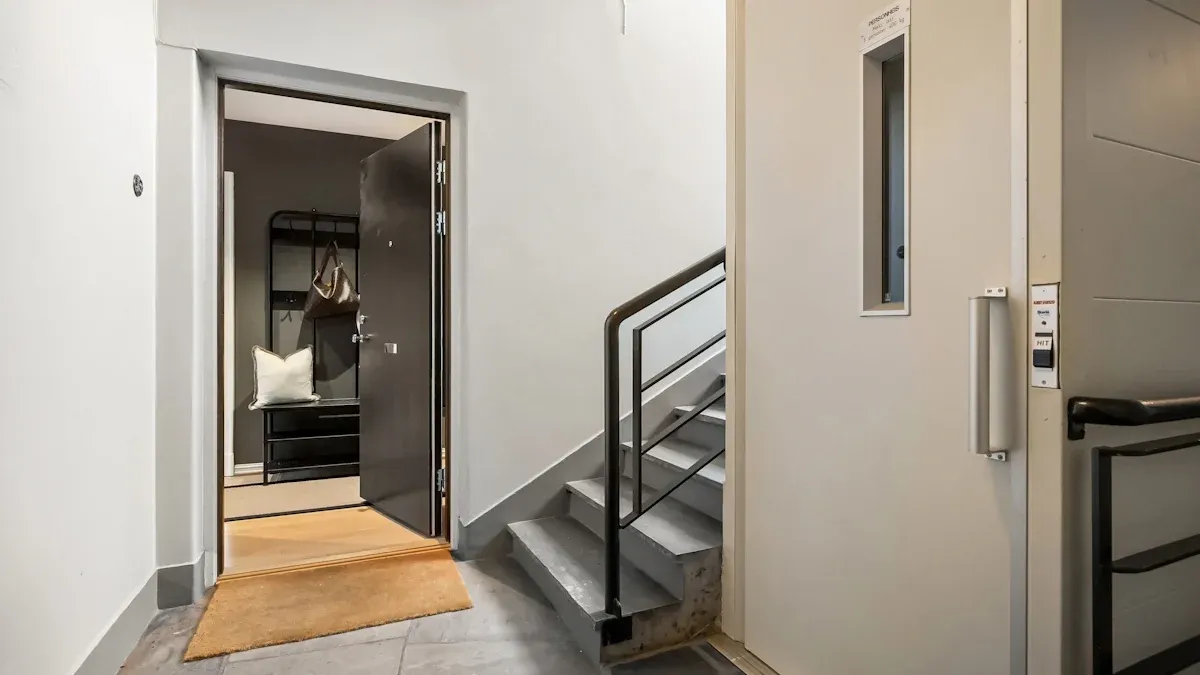
Home elevators have become more than just a convenience—they’re a statement of style and taste. As homes evolve, so does the demand for these elegant additions. The residential elevator market is booming, with projections showing it could grow from $12 billion in 2023 to $18 billion by 2030. This trend reflects how homeowners increasingly view an elevator as a blend of function and luxury. Whether it’s a sleek modern design or a vintage-inspired look, the right 电梯 can transform a home into something truly remarkable.
Key Takeaways
- Home elevators are useful and stylish, making homes easier to access and more fancy.
- Pick an elevator design that fits your home’s style, like modern, classic, or industrial.
- Taking care of your elevator is important; check it every 6 months or yearly to keep it safe and working well.
Popular Styles of Home Elevators
Modern Minimalist Elevators
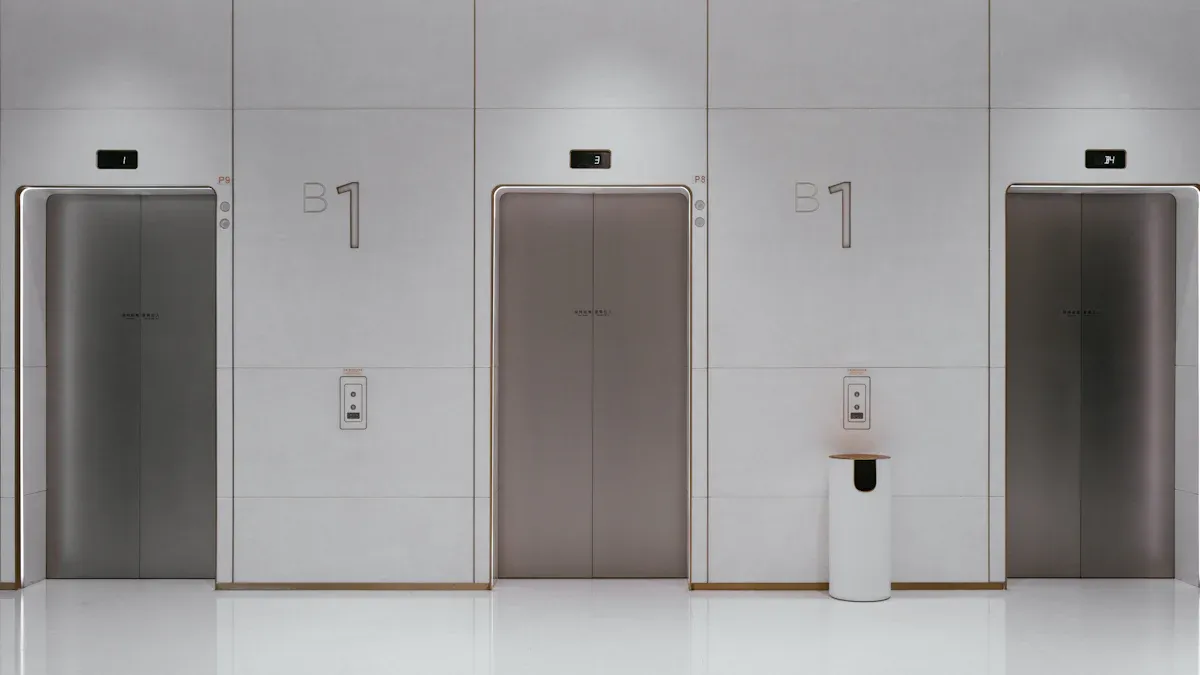
Modern minimalist elevators are perfect for those who appreciate simplicity and functionality. These designs focus on clean lines, neutral tones, and a clutter-free aesthetic. They often feature sleek materials like stainless steel or matte finishes, creating a contemporary look that blends seamlessly with modern interiors. Homeowners love this style for its practicality and ability to complement open-concept spaces.
The growing demand for minimalist designs reflects a broader trend in home automation and accessibility. With the aging population in the U.S., many homeowners prioritize mobility solutions that also add value to their property. Compact and space-saving designs make these elevators an excellent choice for smaller homes or urban residences.
European Classical Elevators
For those who adore luxury and timeless elegance, European classical elevators offer a stunning option. These designs often include ornate railings, intricate carvings, and rich wooden panels. They evoke the grandeur of old-world architecture, making them a popular choice for villas and high-end homes.
Market research shows that homeowners with higher disposable incomes are more likely to invest in such luxurious features. Technological advancements have also made these elevators more energy-efficient and eco-friendly, appealing to environmentally conscious buyers. Whether installed in a grand foyer or a private library, these elevators add a touch of sophistication to any home.
Industrial-Style Elevators
Industrial-style elevators stand out with their raw and edgy aesthetic. Exposed steel structures, concrete walls, and bold metallic finishes define this design. They are ideal for lofts, modern apartments, or homes with an industrial theme. Customization options allow these elevators to blend seamlessly with various architectural styles, enhancing their appeal.
Innovations in machine-room-less (MRL) systems have made it easier to install industrial-style elevators in smaller homes. This style is particularly popular among homeowners who value both functionality and a unique artistic touch. The combination of technical advancements and aesthetic appeal makes these elevators a standout choice.
Contemporary Glass Elevators
Contemporary glass elevators are the epitome of modern luxury. With their transparent walls and sleek designs, they offer an unobstructed view of the surrounding space. These elevators often feature laminated glass with high transparency, supported by stainless steel or anodized aluminum frames for added safety and stability.
Advanced lighting systems, such as energy-efficient LEDs, enhance the visual appeal of glass elevators. They also include features like variable frequency drives for a smooth ride and built-in climate control for year-round comfort. Whether installed indoors or outdoors, these elevators create a striking focal point in any home.
Custom and Thematic Elevators
For homeowners who want something truly unique, custom and thematic elevators provide endless possibilities. From elevators designed to resemble vintage train cars to those inspired by futuristic spaceships, the options are limited only by imagination. These designs allow homeowners to express their personality and create a one-of-a-kind feature in their home.
Custom elevators often incorporate advanced technology, such as smart controls and energy-efficient systems. They can also be tailored to fit specific spaces, making them a practical choice for homes with unconventional layouts. By combining creativity with functionality, custom elevators offer a perfect blend of style and innovation.
Choosing the Right Home Elevator Style
Aligning with Your Home Decor
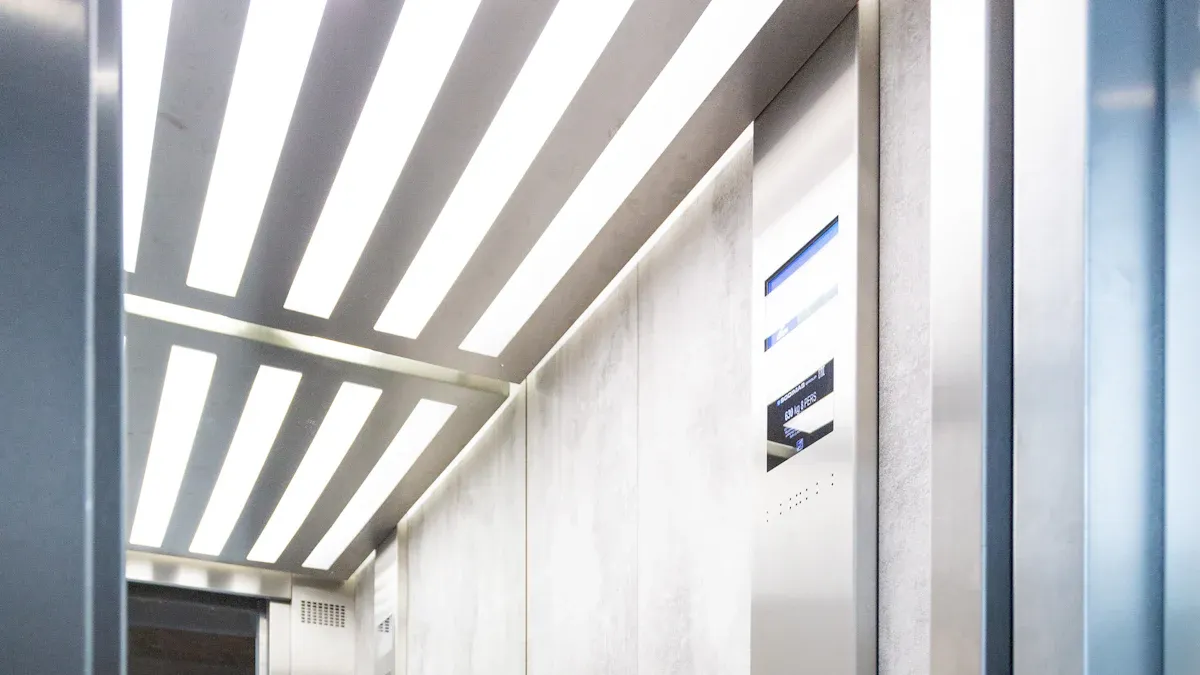
A home elevator should feel like a natural part of your space, not an afterthought. Matching the elevator’s design with your home decor ensures a cohesive look. For modern interiors, materials like brushed aluminum or glass can create a sleek, contemporary vibe. On the other hand, traditional homes might benefit from warm wood finishes or intricate paneling.
Customization plays a key role here. Homeowners can choose cab wall panels, lighting, and flooring that align with their home’s theme. Collaborating with skilled architects or reputable companies ensures the elevator design is both stylish and durable. For example, incorporating marble or other premium materials can elevate the aesthetic appeal, making the elevator a true centerpiece.
Tip: Consider how the elevator’s design will complement your home’s existing features, such as flooring, wall colors, and furniture.
Considering Space and Layout
The available space in your home significantly impacts the type and placement of the elevator. Compact designs work well in smaller homes, while larger properties can accommodate more spacious models. It’s essential to analyze the building’s layout to determine the best location for the elevator shaft.
Experts recommend assessing both the gross measured area and rentable area of your home. The gross area includes all measurable space, which helps in deciding where the elevator can fit. Rentable areas, divided into common and usable spaces, also influence the layout. Consulting a structural engineer ensures the elevator fits seamlessly without compromising the home’s structural integrity.
Pro Tip: If space is limited, consider machine-room-less (MRL) elevators. These designs save space while maintaining efficiency and style.
| Area Type | Description |
|---|---|
| Gross measured area | Includes all measurable space within the building, relevant for determining elevator shaft placement. |
| Rentable area | Divided into common and usable areas, both of which impact the layout and space available for elevators. |
Balancing Budget and Style
Finding the perfect balance between budget and style is crucial. While luxurious designs like European classical elevators may appeal to some, they might not fit everyone’s budget. Fortunately, there are plenty of stylish yet affordable options available.
Homeowners should consider the type of elevator that meets their needs. Hydraulic elevators, for instance, are known for their smooth operation and high capacity, making them a practical choice for families. Gearless options, on the other hand, offer energy efficiency and a quieter ride. Choosing branded elevators ensures safety, comfort, and long-term reliability.
Note: Investing in a high-quality elevator might seem costly upfront, but it adds value to your home and reduces maintenance expenses in the long run.
Reflecting Personal Preferences and Lifestyle
Your elevator should reflect your personality and lifestyle. Customization options allow homeowners to tailor the design to their tastes. Whether you prefer a futuristic look or a vintage-inspired style, the possibilities are endless.
Lifestyle also plays a role in choosing features. Families with young children or elderly members might prioritize accessibility features like clear door openings and intuitive control panels. Meanwhile, tech-savvy homeowners might opt for smart controls and energy-efficient systems. Collaborating with architects and designers ensures the elevator aligns with your vision while meeting practical needs.
Did you know? Custom elevators not only enhance your home’s functionality but also serve as a unique expression of your style.
Practical Considerations for Home Elevators
Ensuring Essential Safety Features
Safety should always come first when choosing a home elevator. Modern designs include advanced features that protect users and extend the equipment’s lifespan. These features often include emergency stop buttons, backup power systems, and door sensors that prevent accidents.
Did you know? Elevator systems must meet strict safety certifications to ensure they comply with regulatory standards. Manufacturers follow these codes to guarantee safe operation in residential settings.
When selecting an elevator, look for models that meet these certifications. This ensures your elevator is not only stylish but also secure for daily use.
Selecting a Reliable Installation Team
A skilled installation team can make all the difference. Professionals with experience ensure the elevator is installed with precision, reducing the risk of malfunctions. Reliable teams also prioritize safety, which is critical for long-term functionality.
- Proper installation minimizes breakdowns and enhances the elevator’s performance.
- Many companies offer maintenance contracts, which help prevent unexpected issues and costly repairs.
Choosing a trustworthy team gives homeowners peace of mind, knowing their elevator is in good hands.
Planning for Regular Maintenance
Regular maintenance keeps your elevator running smoothly. Experts recommend servicing your elevator every six months to a year. This schedule helps identify wear and tear before it becomes a problem.
Routine inspections are also required in many states to ensure safety and compliance. By staying on top of maintenance, homeowners can avoid unexpected breakdowns and extend the life of their elevator.
Preparing for Long-Term Use
Planning for the future ensures your elevator remains reliable for years. Following the manufacturer’s guidelines is essential for optimal performance. Many homeowners now use IoT technology for predictive maintenance, which helps anticipate issues before they occur.
- Stick to a detailed maintenance schedule based on usage.
- Monitor the elevator’s condition regularly to address potential problems early.
By taking these steps, homeowners can enjoy a safe and efficient elevator for the long haul.
Home elevators seamlessly blend style with practicality, offering both convenience and elegance. They’re becoming a must-have for many reasons:
- The aging population seeks better accessibility.
- Rising incomes make them a status symbol.
- Compact, energy-efficient designs are now widely available.
By choosing the right style, homeowners can elevate their living spaces and reflect their unique taste.
FAQ
What is the best home elevator style for small spaces?
Compact designs like machine-room-less (MRL) elevators work well in small spaces. They save room while maintaining efficiency and style, making them a practical choice.
Tip: Consider a minimalist or glass elevator for a sleek, space-saving solution.
How long does it take to install a home elevator?
Installation typically takes 2 to 4 weeks, depending on the design and complexity. Custom or larger models may require additional time for adjustments.
Note: Hiring an experienced team ensures a smooth and timely installation process.
Are home elevators energy-efficient?
Yes, many modern elevators feature energy-efficient systems like LED lighting and variable frequency drives. These technologies reduce energy consumption while maintaining performance.
Did you know? Gearless elevators are among the most energy-efficient options available today.
Post time: Apr-28-2025